






The Fasting Foundation: Vrat-Friendly Flours
Regular grains like wheat and rice are typically avoided during Shravan fasts. Instead, the market aisles fill with special fasting flours that provide energy and substance. Look for Singhara Atta (water chestnut flour), Kuttu Atta (buckwheat flour), and Rajgira
Atta (amaranth flour). These gluten-free alternatives are perfect for making puris, rotis, and cheelas. Rajgira, in particular, is a nutritional powerhouse, packed with protein, calcium, and iron. These flours are not just substitutes; they are traditionally chosen for being easy to digest, which is ideal for the monsoon season when digestion is considered weaker.
The Humble Hero: Sabudana (Tapioca Pearls)
No Shravan shopping list is complete without Sabudana. These small, white pearls are a beloved fasting staple across India for good reason. They are an excellent source of carbohydrates, providing a quick and sustained energy boost during fasts. Sabudana is incredibly versatile, making it a must-buy. You can prepare the classic Sabudana Khichdi with potatoes and peanuts, crispy Sabudana Vadas, or a comforting Sabudana Kheer for a sweet treat. Being easy on the stomach and filling, it’s a food that perfectly balances energy needs with the principles of light eating.
Monsoon Marvel: Bottle Gourd (Lauki)
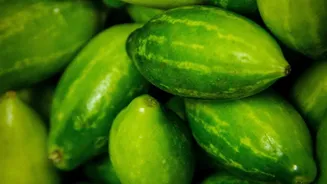
As the monsoon rains arrive, so does a bounty of gourds. Bottle gourd, known as Lauki or Doodhi, is a quintessential rainy season vegetable and a perfect addition to your Shravan diet. It is one of the vegetables widely permitted during fasts. With its high water content, it's incredibly hydrating and cooling for the body. Furthermore, it's light, easy to digest, and low in calories. You can use it to make a simple lauki ki sabzi (cooked with rock salt and minimal spices), add it to a kadhi, or even make a sweet halwa. Its mild flavour allows it to absorb the tastes of other ingredients, making it a versatile and healthy choice.
Earthy & Energising: Sweet Potato (Shakarkandi)
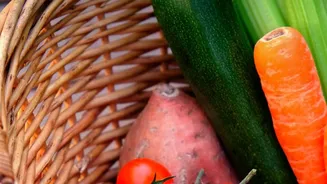
Sweet potato, or Shakarkandi, is a fantastic fasting food that bridges the gap between a vegetable and a snack. It provides complex carbohydrates, which release energy slowly, keeping you fuller for longer and preventing the energy crashes associated with sugary foods. Rich in fibre and Vitamin A, it's a nutritionally dense choice. During Shravan, it's most commonly enjoyed in its simplest form: boiled or roasted and then tossed with rock salt (sendha namak) and a squeeze of lemon juice. You can also make a delicious sweet potato chaat with peanuts and pomegranate for a more elaborate evening meal.
Root of the Season: Colocasia (Arbi)
Another excellent root vegetable to pick up is Arbi, or colocasia. This monsoon staple is permitted in most fasting diets and offers a unique, slightly nutty flavour. It’s a good source of dietary fibre and essential minerals. Arbi can be prepared in various ways for a vrat-friendly meal. A simple Arbi fry, where the boiled vegetable is sautéed in ghee with cumin and green chillies, is a popular choice. Its ability to provide sustained energy makes it a valuable part of a balanced fasting thali.
Nature's Candy: Seasonal Fruits
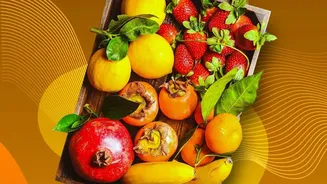
Fruits are the cornerstone of any fasting diet, providing natural sugars for energy, essential vitamins, and much-needed hydration. The monsoon season brings its own special treats to the market. Look for juicy pears, plums, and late-season mango varieties like Chausa. Jamun (Indian blackberry) and pomegranate are also excellent choices, packed with antioxidants. Bananas and apples are available year-round and serve as reliable sources of energy and nutrients. A simple fruit chaat can be a refreshing and fulfilling meal during your fast.