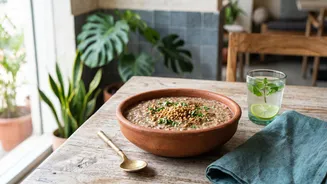

What Exactly Is Ambali?
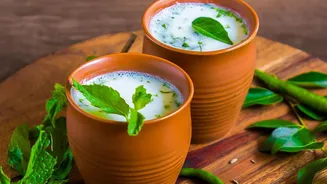
Ambali is a traditional beverage originating from Southern India, particularly popular in states like Karnataka, Andhra Pradesh, and Telangana. It is essentially a thin, porridge-like drink made by cooking finger millet flour, also known as ragi, with
water. The mixture is then allowed to ferment, typically overnight, which gives it a characteristic mild, tangy flavour and a host of health benefits. Traditionally a rustic staple, it was consumed by farmers for its cooling properties and to provide sustained energy for a hard day's work. Often served savoury with buttermilk, salt, and simple spices, it's a drink designed for sustenance and refreshment in hot climates.
A Nutritional Powerhouse
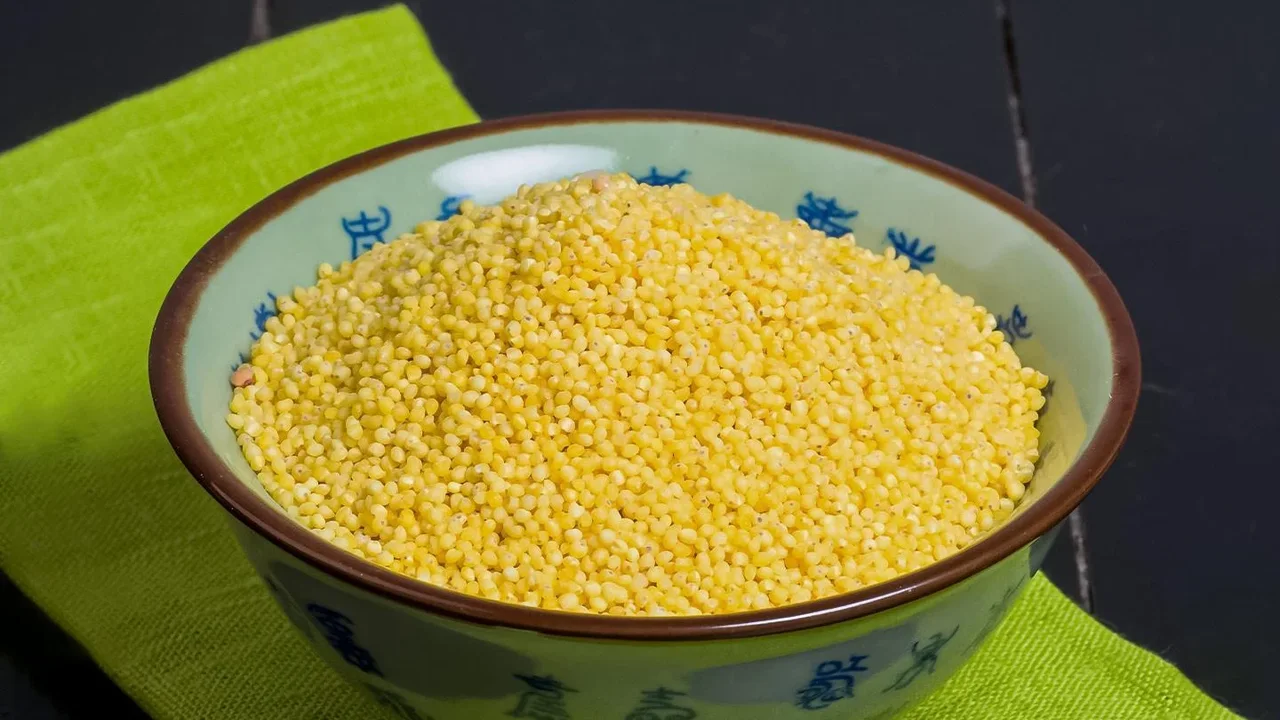
The resurgence of Ambali is directly tied to its impressive nutritional profile, which modern wellness trends have brought into the spotlight. Finger millet itself is a superfood celebrated for being rich in calcium, iron, and dietary fibre. It is one of the best plant-based sources of calcium, vital for bone health. The real magic, however, lies in the fermentation. This natural process transforms the drink into a probiotic powerhouse, fostering beneficial gut bacteria that can improve digestion and boost overall immunity. Fermentation also breaks down anti-nutrients like phytic acid, which can hinder mineral absorption, thereby making the iron and calcium in ragi more available to the body. Furthermore, its high fibre content and low glycemic index help in regulating blood sugar levels and promoting a feeling of fullness, which can aid in weight management.
From Rural Staple to Urban Elixir
For generations, Ambali was a humble food, far removed from the world of commercial cafes. Its current revival is part of a larger movement towards embracing indigenous foods and ancient wellness practices. As urban consumers become more discerning about their health, there is a growing interest in 'superfoods' that are not imported but are rooted in Indian tradition. Millets, once considered coarse grains, are being rediscovered for their sustainability and immense health benefits. This shift is driven by a desire for authenticity and a deeper understanding of nutrition that goes beyond calorie counting to focus on gut health, metabolic function, and overall well-being. Ambali fits perfectly into this narrative as a natural, whole food with a long history of nourishing communities.
The Cafe Culture Connection
So why are cafes, the epicentres of modern food trends, picking up on Ambali? The answer lies in its ability to tick multiple boxes for the modern consumer. It’s gluten-free, probiotic, and plant-based—all significant selling points. For cafes catering to a clientele interested in clean eating and gut-friendly diets, Ambali is a natural fit. These establishments are innovating, presenting this traditional drink in formats that appeal to contemporary tastes. Instead of a simple savoury porridge, cafes might offer chilled Ambali in a stylish glass, perhaps lightly sweetened with jaggery or flavoured with subtle spices, turning it into a refreshing and Instagram-worthy health beverage. It represents a fusion of tradition and trendiness, offering something both new and deeply authentic.