







The Zero-Fee Miracle
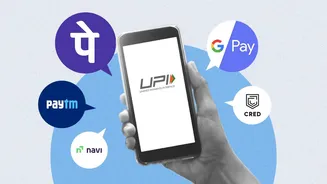
Since January 2020, India has operated under a zero Merchant Discount Rate (MDR) policy for UPI and RuPay debit card transactions. This means merchants pay nothing to accept payments via these modes. This policy was a deliberate government strategy to drive
mass adoption of digital payments, and it worked spectacularly. UPI became the world's largest real-time payment system, with merchants from the smallest street vendors to the largest retailers displaying QR codes. This frictionless and cost-free experience for both consumers and businesses fuelled an unprecedented surge in digital transactions, processing over 23 billion transactions in July 2026 alone. The goal was to build a public good, making digital payments as accessible as cash.
What Exactly is a Merchant Fee?
The Merchant Discount Rate, or MDR, is a fee a merchant pays to their bank and payment service provider for processing a digital payment. It's typically a small percentage of the transaction value. This fee is how the various players in the payment ecosystem—the customer's bank (issuer), the merchant's bank (acquirer), the card network (like Visa or Mastercard), and the payment processor (like Razorpay)—cover their costs and make a profit. While UPI transactions are currently free for merchants, other payment modes like credit cards can have MDRs ranging from 2-3%. The recent passage of the Taxation and Other Laws (Amendment) Bill, 2026, amends the Payment and Settlement Systems Act, creating a legal pathway for the government and RBI to reintroduce a structured MDR for certain UPI transactions.
The Case for Bringing Fees Back
While zero-MDR drove adoption, it also created financial strain. Payment infrastructure isn't actually free. Banks, the National Payments Corporation of India (NPCI), and fintech companies incur significant costs for server maintenance, fraud prevention, cybersecurity, and customer support. With UPI's exponential growth, these costs have ballooned. The government has provided subsidies to compensate the industry, but these have been seen as insufficient and unsustainable in the long run. Proponents argue that a sustainable revenue model is crucial for the ecosystem's health, encouraging investment in technology upgrades and ensuring long-term resilience against risks. Without it, they warn of underinvestment and market concentration, where only deep-pocketed players who can afford to absorb losses can survive.
How Would This Affect Merchants and Consumers?
The government has been clear that consumers will not be charged for making UPI payments, and person-to-person transfers will remain free. The focus is on a potential fee for merchants. However, officials have stressed that any MDR would be nominal, likely applied only to transactions above a certain threshold and for larger merchants, ensuring the vast majority of small businesses are unaffected. Despite these assurances, concern remains. Even a small fee can impact the thin margins of many businesses. There is a risk that merchants could pass this cost on to consumers through higher prices, prefer cash for smaller payments, or introduce a surcharge, potentially reintroducing friction into the seamless payment experience that made UPI so popular.
A New Chapter for Fintech
The introduction of an MDR could fundamentally alter the business model for India's leading fintech companies like PhonePe and Google Pay. Under the zero-fee regime, these companies focused on user acquisition and monetized their vast user base through cross-selling other financial products like loans and insurance. A direct revenue stream from payments could provide a more stable financial foundation, potentially fuelling more innovation in payment services themselves. However, it also changes the competitive dynamic. The ability to offer a completely free service will no longer be the primary differentiator. This shift could lead to a new wave of competition focused on value-added services for merchants, better analytics, and more robust support systems, ultimately deciding the next generation of winners and losers in the digital payments space.