


Start in the Bathroom, The Biggest Water Spender
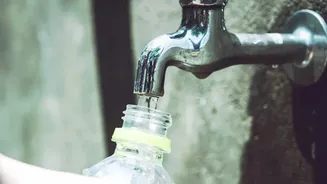
The bathroom is often the site of the most significant water wastage in a home. A single person can use a large amount of water just for their morning routine. An easy first step is to turn off the tap while brushing your teeth or lathering soap. Leaving
the tap running can waste around six litres of water every minute. Consider switching from long showers to using a bucket and mug, a traditional practice that saves a considerable amount of water. If you prefer showers, aim to shorten them. Cutting just a couple of minutes from your shower can save thousands of litres annually. Also, avoid using the toilet as a dustbin for tissues or insects; every flush of an older model can use up to 15 litres of water.
Adopt Smarter Kitchen Habits
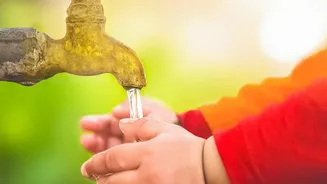
The kitchen is another area where simple changes yield big savings. Instead of washing fruits and vegetables under a running tap, rinse them in a bowl of water. This collected water can then be reused for watering plants. When it comes to washing dishes, soaking them first in a sink filled with water makes scrubbing easier and reduces the need to keep the tap on. Run your dishwasher only when it is completely full to maximize water and energy efficiency. Even the water you use for cooking can be conserved. Thaw frozen food by leaving it out at room temperature instead of using running water.
Put Your RO Purifier's 'Waste' Water to Work
Reverse Osmosis (RO) water purifiers are common in Indian households, but many are unaware of how much water they discard. For every litre of purified water, a typical RO system can reject up to three litres. Instead of letting this water go down the drain, collect it in a bucket or a dedicated storage tank. This 'reject' water, while not suitable for drinking due to higher concentrations of salts, is perfect for a variety of household chores. You can use it for mopping floors, cleaning bathrooms, flushing toilets, or washing your car. This single habit can help you reclaim dozens of litres of water every single day.
Fix Leaks and Upgrade Fixtures
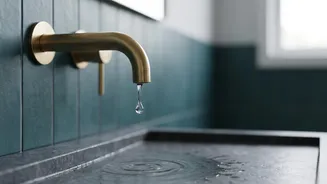
A slow drip from a faulty tap may seem harmless, but it can waste thousands of litres of water over a year. Make it a habit to regularly check all taps, pipes, and toilet cisterns for leaks. A simple way to check for a toilet leak is to put a few drops of food colouring in the tank; if the colour appears in the bowl without flushing, you have a leak that needs fixing. For a more significant impact, consider investing in water-efficient fixtures. Installing low-flow aerators on taps can reduce water flow by up to 50% without sacrificing pressure. Upgrading to a dual-flush toilet allows you to use less water for liquid waste, saving a substantial amount with every use.
Rethink Laundry and Outdoor Cleaning
Modern washing machines can be water-intensive, so it's crucial to use them efficiently. Always wait until you have a full load before running a cycle. If your machine has eco-friendly or water-saving settings, be sure to use them. The final rinse water, which is often only lightly soapy, can be collected and repurposed for mopping floors or cleaning outdoor areas. When it comes to outdoor chores like washing a car or a porch, opt for a bucket instead of a hose. A running hose can waste hundreds of litres, whereas a bucket provides all the water you need with a fraction of the consumption.