





What is Vertical Gardening?
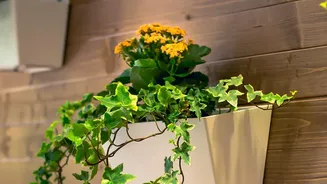
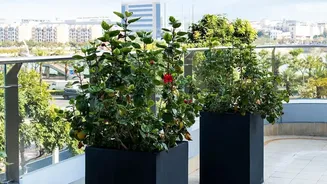
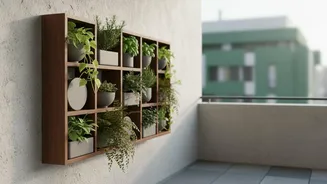
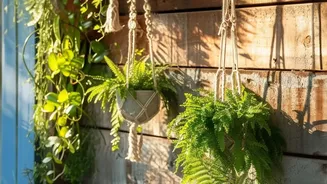
At its core, vertical gardening is the art of growing plants on a vertically suspended panel or structure, either by using a trellis or by stacking planters. Instead of spreading out across the floor, the garden grows upwards. This innovative technique
is perfect for urban dwellers in Indian cities like Mumbai, Delhi, or Bangalore, where horizontal space is a premium but the desire for greenery is strong. It’s a chic, trendy, and highly practical way to introduce nature into apartments, balconies, and even indoor rooms, using walls and railings that would otherwise remain empty.
More Than Just a Pretty Wall
The benefits of going vertical extend far beyond aesthetics. These living walls are excellent natural air purifiers, absorbing carbon dioxide and filtering common urban pollutants to release fresh oxygen. They can help regulate temperature, with the plant cover absorbing solar radiation and providing shade, which can keep interiors cooler during the hot summer months. Many people find gardening therapeutic, and tending to a vertical garden can be a significant stress reliever. Plus, it offers the unique opportunity to grow your own fresh herbs like mint, basil, and cilantro, or even small vegetables like lettuce and peppers, right outside your kitchen window.
Finding Your Vertical System
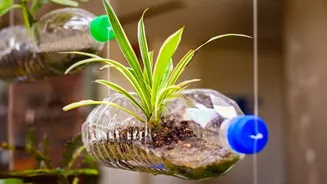
Starting a vertical garden doesn't have to be complicated or expensive. There are numerous systems to fit every budget and style. DIY enthusiasts can get creative by upcycling materials; plastic bottles, old wooden pallets, and even shoe organisers can be repurposed into functional planters. A popular and simple method involves fixing an iron mesh to a wall and using S-hooks to hang individual pots. For a more streamlined look, you can find modular wall-mounted panels, tiered stands, and specially designed fabric pocket planters online and in local nurseries. Ladder-style shelves also offer a flexible and portable option for renters.
The Right Plants for Indian Climates
Choosing the right plants is crucial for a thriving vertical garden. Consider the amount of sunlight your chosen spot receives. For sunny, hot balconies, heat-tolerant plants are a must. Varieties like Portulaca, Vinca (Sadabahar), and dwarf Bougainvillea do very well. Succulents are another excellent, low-maintenance choice for dry, sunny spots. If your space is more shaded, opt for plants that flourish in indirect light. The Money Plant (Pothos) is incredibly forgiving for beginners, alongside varieties of Philodendron, Syngonium, and different types of ferns like the Boston Fern. For those looking to grow edibles, herbs like basil, mint, and ajwain are great starters.
Essential Care and Maintenance
Caring for a vertical garden has its own unique considerations. The smaller pockets of soil can dry out faster than in traditional pots, so regular watering is key. A useful tip is to water from the top row and let the excess trickle down to the plants below. It's also important to use a lightweight potting mix, often containing cocopeat and compost, to avoid putting too much strain on the wall structure. To protect your wall from moisture damage, consider placing a plastic sheet behind your setup. Finally, regularly check for pests and trim any dead leaves to keep your garden healthy and looking its best.