







The Humidity Paradox: Oily, Yet Dehydrated
The monsoon brings welcome relief from the heat, but it also ushers in high humidity. This moisture-rich air can make your skin feel greasy and lead you to believe you can skip moisturiser. However, this is a common misconception. High humidity causes
your pores to open and can increase sweat and sebum (oil) production, creating a perfect storm for clogged pores and acne breakouts. [4, 7, 8] Paradoxically, all this surface-level moisture doesn't necessarily hydrate your skin. In fact, when your skin's barrier is disrupted by fluctuating weather, it can lose water, a condition known as transepidermal water loss. When your skin becomes dehydrated, it often compensates by producing even more oil, worsening the greasy feeling and leading to breakouts. [2, 14] Skipping moisturiser can weaken the skin barrier over time, making it more vulnerable to irritation, pollution, and infections. [2, 14]
Lighten Up: Why Texture Is Everything
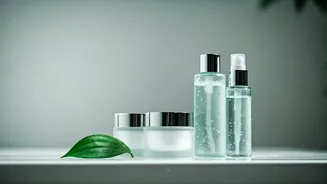
During the rainy season, your rich, creamy winter moisturiser can become your worst enemy. Heavy, oil-based creams sit on top of the skin, trapping sweat and oil, which can feel suffocating in humid weather and lead to congestion. [17, 25] The key is to switch to a product with a lighter texture. Lightweight, non-comedogenic (meaning it won't clog pores) formulas are essential. [15] Gel-based or water-based moisturisers are ideal for the Indian monsoon climate. [16, 17] They are absorbed quickly, deliver hydration without adding extra oil, and leave a fresh, non-greasy finish. [27] This not only feels more comfortable but also creates a smoother canvas for makeup or sunscreen, preventing that dreaded midday slide. [14, 25]
Decoding the Label: Ingredients to Look For
When choosing a monsoon-friendly moisturiser, the ingredients list is your best guide. Instead of heavy occlusives like petrolatum or lanolin during the day [20, 27], look for humectants, which attract and bind water to the skin. [15] Key ingredients to seek out include: * **Hyaluronic Acid:** A powerhouse humectant that draws moisture from the air into your skin, providing a dewy glow without feeling sticky. [5, 13] * **Niacinamide:** This multitasking hero helps regulate oil production, minimise the appearance of pores, and reduce inflammation, making it excellent for preventing monsoon breakouts. [5, 21, 26] * **Glycerin:** Another effective humectant that helps keep skin hydrated and soft. [5, 21] * **Ceramides:** These lipids are crucial for maintaining a healthy skin barrier, which can be compromised during the monsoon. They help lock in moisture and protect against irritants. [2, 13] * **Salicylic Acid:** If you are prone to acne, a moisturiser with a low concentration of this gentle exfoliant can help keep pores clear of oil and debris. [5]
Tips for Every Skin Type
While a lightweight approach is universally beneficial during the monsoon, you can tailor it to your specific skin type. * **Oily and Acne-Prone Skin:** A gel-based, oil-free moisturiser is your best friend. [11] Formulations with niacinamide or salicylic acid can offer additional benefits for controlling oil and breakouts. [18] Don't be tempted to skip this step, as balanced hydration is key to regulating sebum. [2, 14] * **Dry Skin:** You still need hydration, but a heavy cream might feel too sticky. Opt for a nourishing lotion or a gel-cream that provides moisture without the weight. [11] You can also layer a hydrating hyaluronic acid serum underneath your moisturiser for an extra boost. [18] * **Combination Skin:** A water-gel texture is perfect for you, as it can hydrate dry patches without overwhelming the oily T-zone. [16] This helps balance the skin, keeping it fresh and comfortable. [25] * **Sensitive Skin:** Look for gentle, fragrance-free formulas with soothing ingredients like panthenol (Vitamin B5) or allantoin to prevent irritation, which can be heightened by the damp weather. [23, 28]
Don’t Forget the Rest of Your Routine
Your moisturiser is a star player, but it works best as part of a team. During the monsoon, it's important to use a gentle, pH-balanced cleanser to remove excess oil and grime without stripping the skin. [18] Exfoliating once or twice a week can also help prevent clogged pores. [12] And most importantly, never skip sunscreen. Cloudy skies do not block harmful UV rays, which can still cause significant damage. [3, 11] Applying a broad-spectrum sunscreen with at least SPF 30 every morning after your moisturiser is non-negotiable for healthy skin. [13]