

Loktak Lake, Manipur: The Floating Paradise
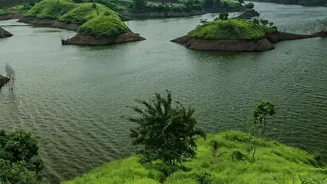
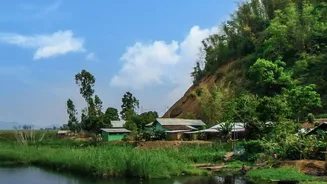
Loktak Lake is unlike any other in the world. It is the largest freshwater lake in Northeast India and is famous for its 'phumdis'—heterogeneous masses of vegetation, soil, and organic matter that float on its surface. These circular islands are so significant
that they support small fishing communities living in huts called 'phumsangs'. The largest of these phumdis forms the Keibul Lamjao National Park, the only floating national park in the world. This unique park is the last natural habitat of the endangered Sangai, or dancing deer, which is the state animal of Manipur. A boat ride across Loktak offers a surreal experience, navigating between these floating islands while observing the daily life of fishermen and the rich birdlife. For a panoramic view, head to Sendra Island.
Gurudongmar Lake, Sikkim: A Sacred, High-Altitude Wonder
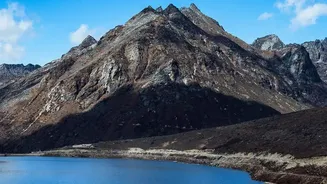
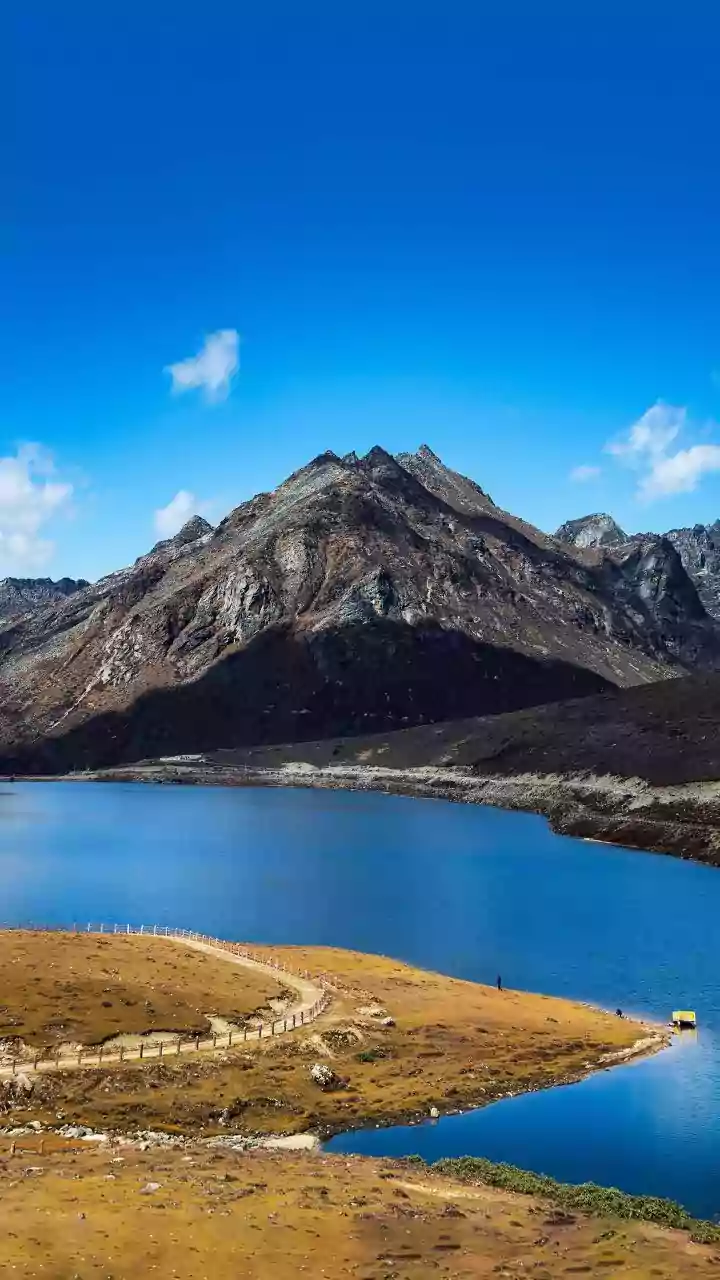
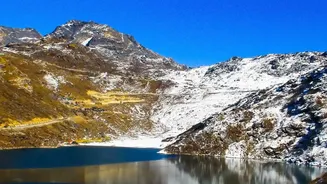
Situated at a breathtaking altitude of over 17,800 feet, Gurudongmar Lake is one of the highest lakes in the world. Located in North Sikkim near the Tibet border, this glacial lake is surrounded by barren, snow-capped mountains, creating a stark and stunning landscape. The water remains startlingly clear and is considered sacred by Buddhists, Hindus, and Sikhs, with a portion of the lake said to never freeze completely, even in peak winter. The journey itself is an adventure, requiring an overnight stay in Lachen for acclimatization due to the extreme altitude. Access is regulated by army permits, and due to its proximity to the border, only Indian citizens are currently allowed to visit. The thin air and biting cold are challenging, but the ethereal beauty of the turquoise water against the stark Himalayan backdrop is an unforgettable reward.
Umiam Lake, Meghalaya: The Vast Waters of Barapani
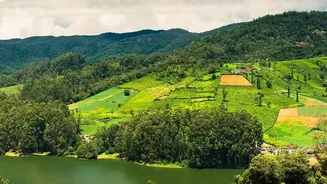
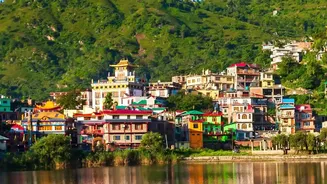
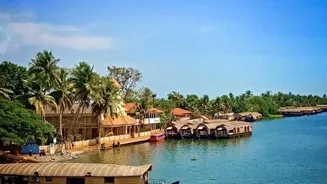
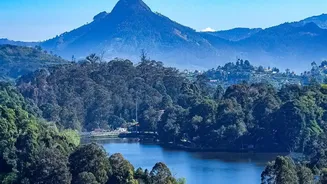
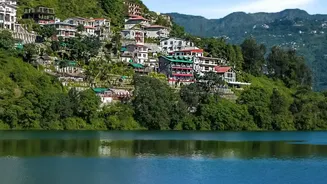
Often the first stunning vista that greets travellers heading to Shillong from Guwahati, Umiam Lake is a vast man-made reservoir also known as Barapani, or 'big water'. Created in the early 1960s by damming the Umiam River for a hydroelectric project, the lake is now a popular spot for both locals and tourists. Surrounded by pine-covered hills, its sheer size and scenic beauty make it feel entirely natural. Unlike more remote lakes, Umiam is easily accessible and offers a variety of activities. The Orchid Lake Resort provides a viewpoint and restaurant, while a water sports complex offers boating, kayaking, and water cycling, making it a perfect spot for a relaxed half-day trip from Shillong. The views are spectacular, especially at sunrise and sunset when the light plays across the water and hills.
Shungatser Tso, Arunachal Pradesh: The Madhuri Connection
Popularly known as Madhuri Lake, Shungatser Tso in Arunachal Pradesh offers a uniquely haunting landscape. Located near the Indo-China border on the way to Bum La Pass from Tawang, this high-altitude lake was formed by an earthquake in the 1970s that submerged a forest. Today, the stark, skeletal trunks of dead trees rise from the placid water, creating a surreal and beautiful scene against the backdrop of rocky mountains. The lake gained its nickname after a song from the Bollywood film 'Koyla', starring Madhuri Dixit, was filmed here. The journey requires a special permit from the army due to the sensitive border location. The Indian Army maintains a small cafe and infrastructure, making it a comfortable stop for travellers exploring this remote and rugged part of the country.
Palak Dil, Mizoram: The Swallowing Lake
For those seeking a true off-the-beaten-path experience, Palak Dil in southern Mizoram is an ideal destination. It is the state's largest natural lake, an oval-shaped water body surrounded by virgin forests rich in flora and fauna. Known as Pala Tipo ('swallowing lake') in the local Mara language, its origin is steeped in legend, with stories of a village being submerged. As a designated Ramsar wetland site, the area is a haven for biodiversity, attracting birdwatchers and nature lovers. It is believed to be a winter stopover for migratory ducks. Reaching Palak Dil requires some planning; it is located in a remote part of Saiha district, and the journey is best undertaken during the dry season from October to April. This remoteness ensures a quiet, pristine environment for those willing to make the effort.