




The Problem of Hot Cities
Anyone who has walked barefoot on a dark pavement on a sunny day knows it absorbs a tremendous amount of heat. In cities, where roads, footpaths, and parking lots can make up a third or more of the surface area, this effect is multiplied. Traditional
dark asphalt can absorb up to 95% of the sunlight that hits it, reaching scorching temperatures and radiating that heat back into the air long after the sun has set. This phenomenon is a primary driver of the 'urban heat island' effect, where cities become significantly warmer than surrounding rural areas. This isn't just a matter of comfort; it leads to increased energy consumption for air conditioning, higher air pollution, and serious health risks during heatwaves.
A Cooler Path Forward
The solution is elegantly simple in concept: make pavements reflect more sunlight. Known as 'cool pavements', these surfaces are designed to stay cooler in the sun than their traditional counterparts. This is achieved by increasing their solar reflectance, or albedo. Instead of absorbing the sun's energy and converting it to heat, they bounce a greater portion of it back into the atmosphere. The technology isn't limited to one material. It can involve using lighter-coloured concrete, mixing reflective aggregates into asphalt, or, most commonly, applying a specialised reflective coating over an existing road surface. The headline's mention of 'bio-engineered coatings' points toward a new frontier in this field, focusing on sustainable, advanced materials that can include components like polymers, titanium dioxide, or even industrial by-products to achieve high reflectivity.
Putting the Technology to the Test
This isn't just a theory; cities are already seeing results. Pilot projects in hot climates have demonstrated significant temperature reductions. In Phoenix, Arizona, a large-scale program found that surfaces treated with a reflective coating were, on average, 5.8 to 6.7 degrees Celsius cooler at midday and in the afternoon compared to traditional asphalt. Even nighttime air temperatures saw a modest but beneficial decrease. A project in Pacoima, California, reported a reduction in ambient air temperatures by as much as 1.9 degrees Celsius during extreme heat events. While the most dramatic changes are on the surface itself, these tests show a clear potential to cool the surrounding environment, reducing heat-related stress on both people and infrastructure.
More Than Just a Lower Temperature
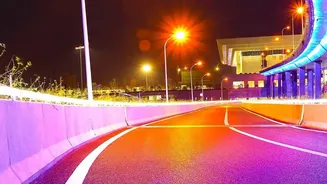
The benefits of cooler streets extend beyond just the thermometer reading. By lowering ambient temperatures, cool pavements can reduce the energy needed for air conditioning in nearby buildings, leading to cost savings and lower greenhouse gas emissions. Another underrated advantage is improved night visibility. Lighter-coloured surfaces provide better contrast, making streets safer for drivers and pedestrians and potentially reducing the need for intensive street lighting. Furthermore, by keeping the pavement itself cooler, these coatings can slow down the material degradation that heat causes, potentially extending the life of the road and reducing long-term maintenance costs.
Challenges and Considerations
Despite the promise, reflective pavements are not a universal fix. One primary concern is glare, as a lighter surface can reflect sunlight in a way that affects driver visibility, though some modern coatings are engineered to minimize this. Another consideration is pedestrian comfort; while the surface is cooler, the reflected radiation can sometimes make the air at standing height feel warmer. The location is also critical. In dense urban canyons with tall buildings, the benefits are reduced as sunlight doesn't hit the pavement directly for much of the day. The technology is most effective in open, sun-exposed areas like residential streets and parking lots. Finally, the cost and durability of the coatings are key factors for cities to weigh as they plan for long-term maintenance schedules.