





Why Humidity Is a Food Safety Villain
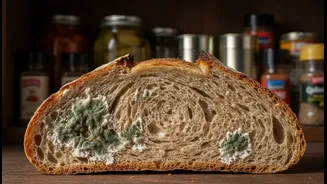
Warm and humid conditions are a paradise for microscopic organisms like bacteria, yeast, and mould. Moisture is a key ingredient these microbes need to multiply. In a humid environment, the air is already saturated with water vapour, which can settle
on food surfaces, countertops, and inside storage containers. This moisture, combined with the ambient warmth of an Indian kitchen, accelerates the growth of these organisms, causing food to spoil much faster and increasing the risk of foodborne illnesses. Dry goods like crackers and biscuits absorb moisture and lose their crispness, while fresh produce can decay rapidly.
The Danger of the Kitchen Counter
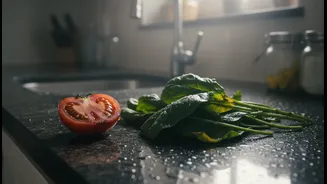
One of the most common shortcuts is leaving ingredients out on the counter. In dry weather, leaving chopped onions or a bowl of batter out for a short while might seem harmless. But in high humidity, this is an open invitation for bacteria. The temperature range between 4°C and 60°C is known as the "danger zone," where bacteria can double in number in as little as 20 minutes. Cut fruits and vegetables, once peeled or chopped, should be consumed immediately or refrigerated. Leaving them exposed, even for a short period, gives airborne spores and bacteria the opportunity to land and multiply on the nutrient-rich surfaces.
The Pantry's Hidden Moisture Problem
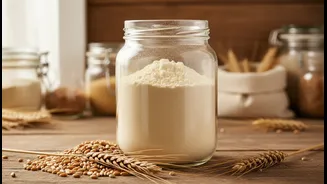
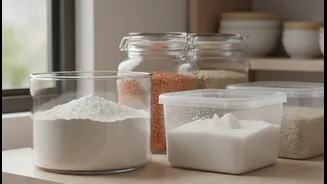
Your pantry is particularly vulnerable during humid seasons. Spices, flours, lentils, and sugar can absorb ambient moisture, leading to clumping, loss of flavour, and mould growth. Paper and cardboard packaging can also absorb dampness, weakening the container and potentially contaminating the food inside. A tell-tale sign of excess humidity is a musty smell or finding that your salt and sugar have become hard lumps. It is advisable to buy these items in smaller quantities during the monsoon to avoid long-term storage issues. Storing dry goods in airtight glass or BPA-free plastic containers is one of the most effective defences against moisture.
Reheating Leftovers: More Than Just Warming Up
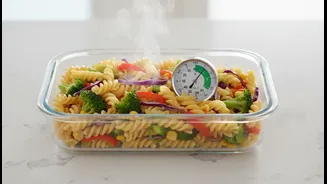
Simply warming up leftovers isn't always enough to make them safe, especially during the monsoon. Mould can easily grow on cooked food because of the moisture in the atmosphere. If food has been left in the temperature danger zone for too long, bacteria may have already produced heat-resistant toxins that cooking cannot destroy. It is crucial to store leftovers in the refrigerator promptly, ideally within two hours of cooking. When reheating, ensure the food reaches a safe internal temperature to kill any bacteria that may have developed during storage. For most leftovers, this means heating them until they are steaming hot throughout.
Cross-Contamination and Cleaning
Humidity doesn't just affect food directly; it also makes your kitchen surfaces a stickier home for germs. Wooden chopping boards, which are porous, can retain moisture and become a breeding ground for bacteria. It's essential to use separate cutting boards for raw meat and vegetables to prevent cross-contamination. After use, all utensils and surfaces should be washed thoroughly with hot water and soap. Regularly cleaning and drying your dishcloths, sponges, and the inside of your refrigerator is also vital, as mould spores can build up in these areas. A clean and dry kitchen environment is your first line of defence.