


The Problem with Packaged Bread
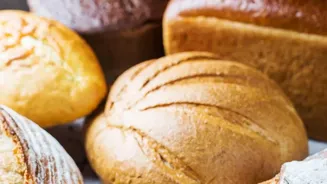
Let’s be honest: the pre-sliced, plastic-wrapped loaf is a marvel of convenience, not culinary excellence. Built for a long shelf life, it often contains preservatives, added sugars, and dough conditioners that contribute to a uniform, uninspired texture
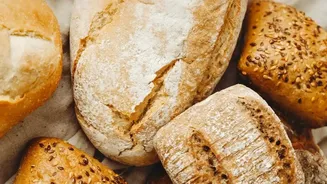
and a forgettable taste. While it serves a purpose, it rarely sparks joy. The crust is soft, the crumb is gummy, and the flavour is a pale imitation of what bread is meant to be. This is bread engineered for transport and storage, not for sensory pleasure. The satisfaction of a truly great slice of bread—one with a crackling crust, an airy, chewy interior, and deep, complex flavour—is almost impossible to find in that aisle.
The Aromatic Secret: Meet Kalonji
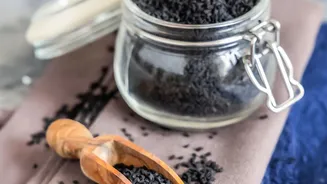
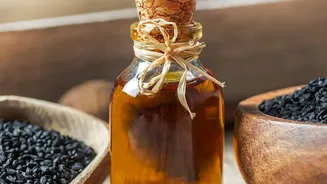
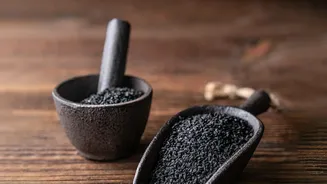
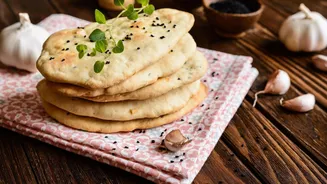
Enter Nigella sativa, known in India as kalonji. These tiny, matte black seeds are a powerhouse of flavour, frequently mistaken for onion seeds but entirely unrelated. Their taste is complex and unique: slightly bitter, peppery, and nutty, with distinct notes of onion and oregano. If you've ever enjoyed a piece of fresh naan bread sprinkled with black seeds, you've experienced the magic of kalonji. A staple in Indian and Middle Eastern cooking, these seeds are used in everything from pickles (achaar) to spice blends (panch phoron) and vegetable dishes. When baked into or onto bread, the heat unlocks their aromatic oils, infusing the loaf with a savoury depth that is both exotic and comforting.
The Simple Joy of Baking It Yourself
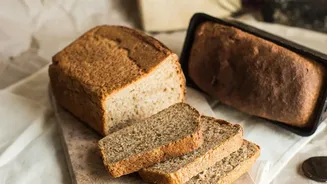
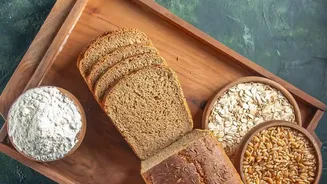
Baking your own bread is not just about the superior result; it's about the entire experience. It's a therapeutic, hands-on process that fills your home with one of the world's most wonderful smells. You have complete control over the ingredients—no hidden sugars or strange additives, just flour, water, salt, and yeast. It’s a chance to connect with your food on a fundamental level. The feeling of turning simple ingredients into a warm, nourishing loaf is deeply satisfying. And while a supermarket loaf might be cheaper in the short term, the quality, flavour, and pride that come from a homemade loaf are priceless.
How to Incorporate Nigella Seeds
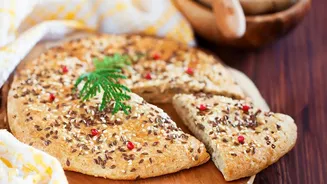
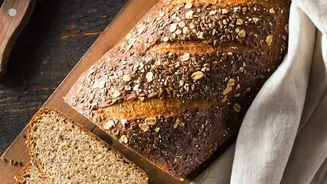
Adding kalonji to your favourite bread recipe is incredibly simple and yields spectacular results. You have two main options: mix them into the dough or sprinkle them on top. For a flavour that permeates the entire loaf, add about one to two teaspoons of nigella seeds for every 500 grams of flour directly into your dry ingredients before mixing. This method ensures that every bite has that distinctive, peppery warmth. For a more pronounced aromatic hit and a beautiful, speckled crust, brush your loaf with a little water or an egg wash just before baking and sprinkle the seeds generously on top. The direct heat of the oven will toast the seeds, intensifying their oniony, nutty fragrance. Don't be afraid to experiment—a combination of both methods works wonderfully, too.
Beyond the Slice: A New Appreciation
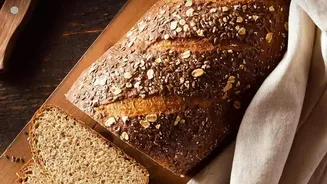
A warm slice of homemade nigella seed bread, slathered with butter, is a transcendent experience. The peppery, savoury notes of the kalonji cut through the richness, creating a perfectly balanced bite. It elevates a simple bowl of soup into a hearty meal and turns an ordinary sandwich into something special. This isn't just bread; it's a conversation starter. It’s the difference between merely eating and truly savouring. The slightly bitter, complex flavour of the seeds pairs beautifully with lentil dishes, vegetable curries, and robust cheeses, making the bread a versatile addition to your culinary repertoire.