






The Current High-Altitude Challenge
Ask anyone who has flown to Ladakh, and they will likely have a story about the airport. Kushok Bakula Rimpochee Airport (IXL), one of the world's highest commercial airfields, is a gateway to unparalleled Himalayan beauty but also a bottleneck. The existing
terminal, built for a different era, struggles to cope with the surge in tourism. The short operating window, dictated by strong afternoon mountain winds that make landings and take-offs hazardous, means all flights are crammed into a few morning hours. This results in a daily scramble, with long queues and crowded spaces. The airport's limited capacity, currently handling around 18 flights daily, often proves insufficient during peak season, leading to frustration for the approximately 1.5 million passengers it serves annually.
A Modern Oasis on the Horizon
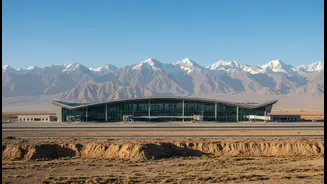
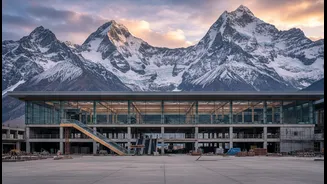
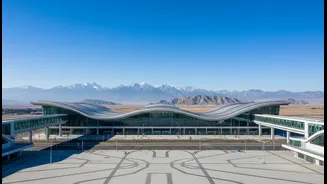
A massive transformation is taking shape just beside the old structure. According to the Civil Aviation Ministry, a new integrated terminal building is now 83% complete. This state-of-the-art facility is designed to be a game-changer. Spread over approximately 19,000 square metres, the new terminal will be able to handle a far greater volume of passengers—up to 3.5 million annually, a significant jump from current figures. During peak hours, it will accommodate up to 2,000 passengers, a vast improvement intended to dissipate the morning crowds. The design itself pays homage to the region, incorporating Buddhist design elements like prayer wheels and stupas to give travellers an immediate sense of Ladakhi culture upon arrival.
Tripling Capacity, Easing Congestion
The most significant impact of the new terminal will be the dramatic increase in flight handling capacity. Once fully operational, the airport will be able to manage up to 54 flights a day, effectively tripling its current capability. This expansion is crucial for a region that is both a strategic military outpost and a booming tourist destination. For travellers, this means more flight options, potentially more competitive fares, and a less frantic airport experience. The new building will feature 20 check-in counters, modern inline baggage handling systems, and three aerobridges, all aimed at streamlining the passenger journey from check-in to boarding.
Sustainable and Smart
Building a modern facility in a fragile, high-altitude desert ecosystem comes with unique responsibilities. The new terminal project is notable for its focus on sustainability. It is set to be India's first airport powered by a combination of geothermal and solar energy. A large-scale geothermal system, a first for an Indian airport, will be used for heating and cooling, drastically reducing carbon emissions by an estimated 900 tonnes per year. This will be supplemented by a 700 kWp rooftop solar power system. This eco-conscious approach is not just a feature but a statement, reflecting a commitment to preserving the very environment that draws visitors to Ladakh.
The Broader Impact for Ladakh
The new airport terminal is more than just an infrastructure upgrade; it's a catalyst for the regional economy. Enhanced connectivity is expected to provide a major boost to Ladakh's tourism sector, which experienced a sharp decline in visitor numbers in recent years. Officials believe the increased footfall will create local jobs, support hospitality businesses, and help position Ladakh as a premier, accessible tourist destination. For a region that is heavily reliant on tourism, the ability to smoothly welcome more visitors is foundational to its economic future. The project, whose foundation stone was laid in 2019, is now eagerly anticipated, with officials pushing for a completion date as early as July 2026.