






The Experience Economy Arrives at the Dinner Table
A fundamental shift is underway in the world of dining. For decades, a restaurant's success was measured primarily by the quality of its kitchen. Today, that's only part of the equation. We have entered the era of experiential dining, where the atmosphere,
design, and overall feeling of a place are just as crucial as the menu. According to recent reports, a significant number of diners in India—up to 60%—now prioritise the overall experience when dining out. This isn't just about eating; it's about creating a memory. The meal has become a multi-sensory event, and restaurants are transforming into curated emotional journeys.
More Than a Meal, It's a Mood
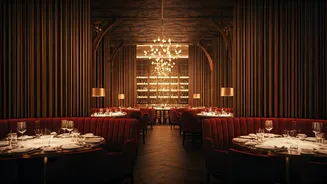
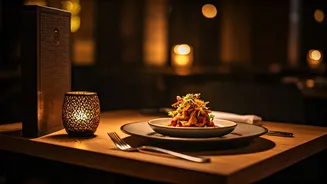
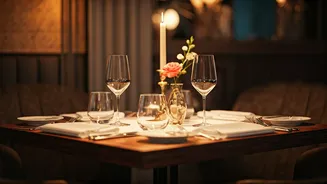
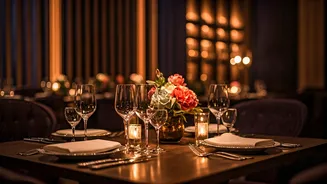
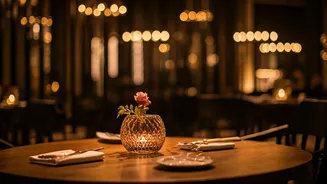
The psychology of a dining space is a powerful, if subtle, force. Environmental psychologists have confirmed that everything from the colour of the walls to the acoustics can influence our behaviour and even our perception of taste. For instance, warm, dim lighting can create a sense of intimacy, encouraging diners to relax, stay longer, and even perceive flavours as richer. In contrast, bright lights and loud, fast-paced music, common in fast-food chains, are designed to increase table turnover. Even seating arrangements play a role; comfortable booths provide privacy and can lead to higher spending, while communal tables foster a sense of social energy.
Designing for the Digital Eye
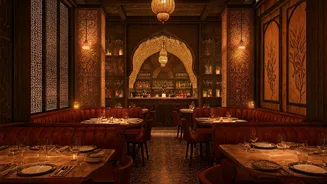
The rise of social media has turned every diner with a smartphone into a potential food critic and marketer. Platforms like Instagram have become essential for discovery, with some studies indicating that over 78% of people in India now search for restaurants online before visiting. This has given birth to the “Instagrammable” restaurant—a space designed with photogenic moments in mind. From stunning decor to visually striking dishes, restaurants are creating experiences that beg to be shared online. This user-generated content acts as powerful social proof, often proving more influential than traditional advertising. In this landscape, a restaurant’s online visibility, fuelled by its aesthetic appeal, can be a bigger driver of foot traffic than its menu alone.
What 'Ambience' Really Means
Ambience is more than just pretty decor. It's a complex blend of elements that work together to create a cohesive atmosphere. Key components include lighting, which sets the mood; music and acoustics, which control the energy of the room; the layout and spacing of tables, which affects comfort and privacy; and even the service style. Research shows that when guests rate a restaurant's ambience on social media, the most frequently used terms are 'appearance,' 'clean,' and 'décor'. Ultimately, a great ambience makes customers feel welcome and comfortable, encouraging them to linger, spend more, and, most importantly, return.
But the Food Still Matters
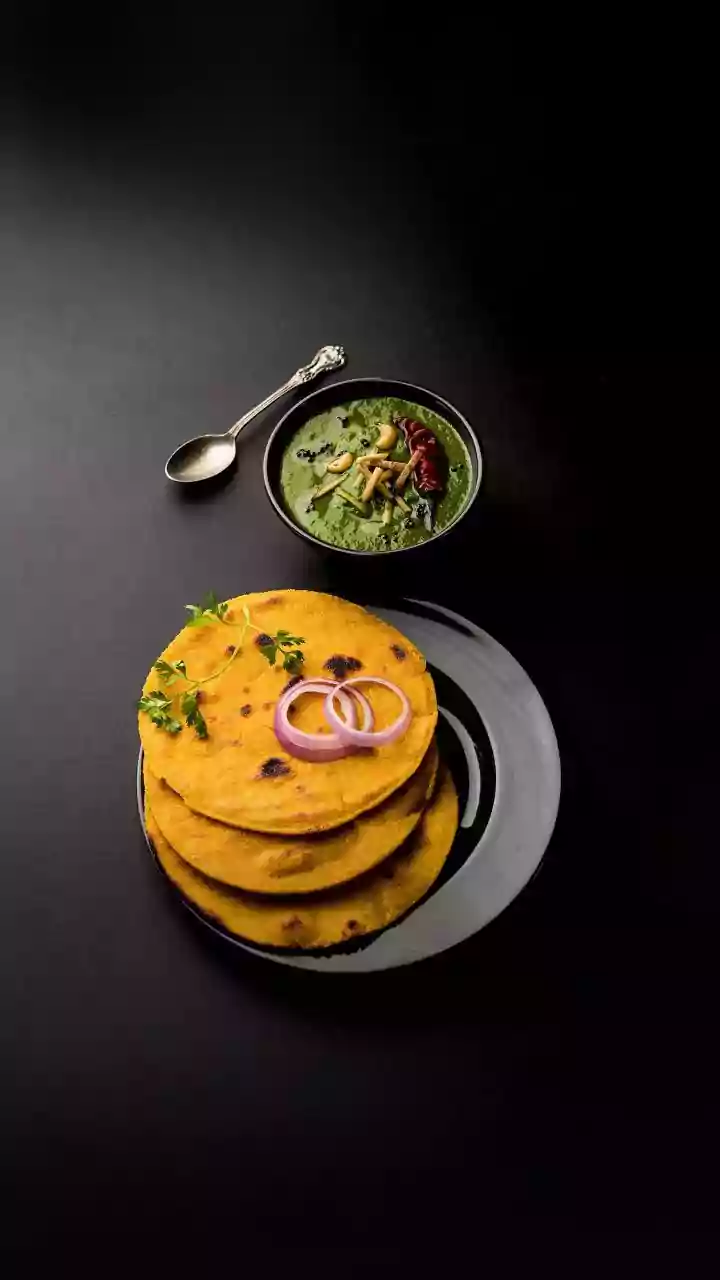
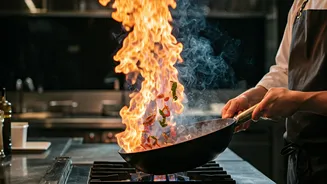
While the headline might suggest an either/or scenario, the reality is more nuanced. Excellent food is still the foundation of any successful restaurant. A beautiful room can't save a bad meal. Think of it this way: great food is the price of admission. It gets you in the game. But in a highly competitive market, it’s the ambience and the overall experience that differentiate the winners. Studies have shown that while poor food quality can ruin an experience, a stellar atmosphere is more likely to determine if a guest will return. It's not a choice between good food and good ambience, but a recognition that modern diners demand both.