


What Is Slow Decorating?
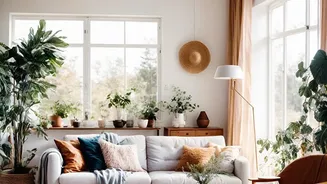
Inspired by the slow food movement, slow decorating is a philosophy that champions quality over quantity and intention over impulse. It’s about resisting the pressure to have a perfectly finished home overnight. Instead, you allow your space to evolve
organically, curating it over time with pieces that have meaning, purpose, and longevity. The goal is to create a home that tells your personal story, filled with items you genuinely love, rather than a room assembled quickly just for appearances. This approach is not only more sustainable and budget-friendly, but it also results in a space that is deeply personal and timeless.
The Heart of the Matter: High-Stakes Furniture
The core of the slow-decorating ethos lies in how you approach big-ticket items: the sofa that will host years of conversations, the dining table for family gatherings, or the bed frame you see every morning and night. These are not throwaway purchases. Rushing these decisions often leads to buyer's remorse, from choosing a piece that doesn't fit the room correctly to buying something that doesn't stand up to daily life. Slow decorating encourages you to live in your space first. Notice where the light falls, understand the flow of traffic, and identify how you actually use each area before committing to a significant investment. This patience prevents costly mistakes and ensures your foundational pieces truly serve your lifestyle.
A Practical Guide to Perfect Timing
Timing your expensive furniture purchases is both an art and a science. From a financial standpoint, patience pays off. Retailers typically clear out old inventory on a biannual cycle. This means you can often find significant discounts on high-quality indoor furniture in late winter (January and February) and mid-summer (July and August), as showrooms make space for new collections arriving in spring and fall. Holiday weekends, like those around major festivals or Black Friday, are also prime times for sales. Beyond the sales calendar, the right time to buy is when you’ve done your research. This means you have measured your space meticulously, considered the materials that fit your family’s needs, and saved up for the piece you truly want, rather than settling for a placeholder.
The Long-Term Gains of a Patient Approach
Embracing a slower pace has benefits that extend far beyond saving money. When you thoughtfully curate your furniture, you're more likely to invest in well-crafted, durable pieces made from quality materials like solid wood. This conscious consumption reduces waste and moves away from the 'fast furniture' cycle. Over time, this method helps you develop and refine your personal style, leading to a home that feels collected and authentic, not like a page from a catalogue. Each piece has a story, whether it’s a vintage find you painstakingly restored or a designer sofa you saved for. This process of gradual layering creates a richer, more soulful environment that supports your well-being and brings a deeper sense of contentment.