



Trek the Valley of Flowers, Uttarakhand
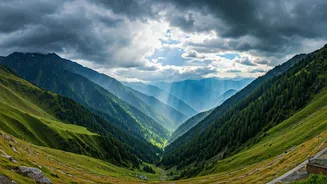
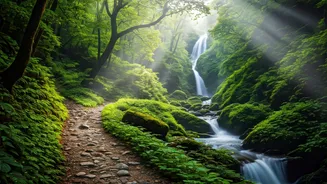
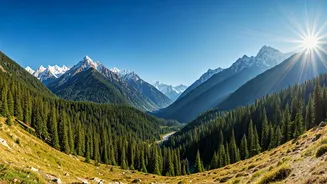
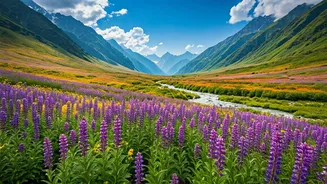
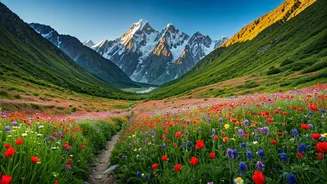
There is a reason the Valley of Flowers is a UNESCO World Heritage Site, and the monsoon is when its magic truly peaks. From July to September, the rains trigger a breathtaking bloom of over 600 species of alpine flowers, carpeting the meadows in vibrant
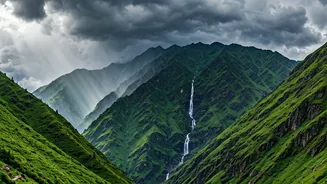
colours. Species like the elusive Blue Poppy and Brahma Kamal are highlights. The trek itself, starting from Govindghat, is considered moderate and is well-managed by the Forest Department during this peak season, ensuring trails are monitored. While you should be prepared for rain and potentially slippery paths, the cool temperatures (10°C to 18°C) make for comfortable trekking conditions. The reward is a surreal landscape of flowers, misty peaks, and cascading waterfalls, an experience unique to the monsoon months.
Explore the Rain-Shadow Desert of Ladakh
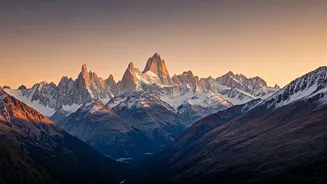
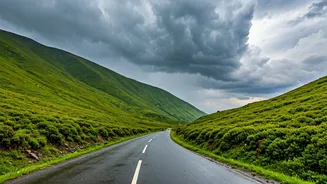
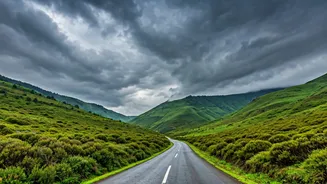
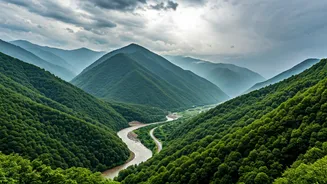
If you're seeking adventure without the downpour, Ladakh is the perfect monsoon escape. Situated in the trans-Himalayan rain-shadow zone, it receives almost no rainfall from July to August. This period is Ladakh's peak summer season, offering clear blue skies, warm daytime temperatures, and accessible roads. This is the ideal time for a road trip, with both the Manali-Leh and Srinagar-Leh highways open, granting access to stunning high-altitude lakes like Pangong Tso and Tso Moriri. You can explore the dramatic, moon-like landscapes of the Zanskar Valley, visit ancient monasteries like Hemis and Thiksey, and drive over some of the world's highest motorable passes. While the access routes via Kashmir or Himachal might experience monsoon disruptions, the valleys of Ladakh and Zanskar themselves remain dry and perfect for exploration.
Experience Gushing Waterfalls in Mussoorie
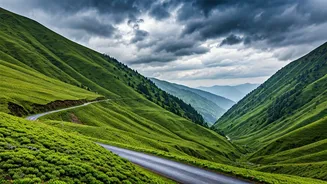
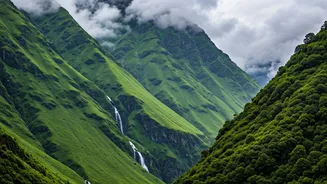
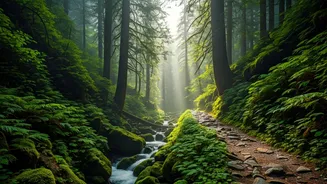
The 'Queen of Hills' transforms into a lush, green paradise during the monsoon, making it an ideal destination for those who appreciate nature's grandeur. The primary attraction is the waterfalls, which are at their most powerful and spectacular. Kempty Falls, the most famous, becomes a roaring cascade, while quieter spots like Jharipani and Mossy Falls offer serene beauty amidst the mist-covered hills. The season is perfect for scenic drives and walks along trails like Camel's Back Road, where the rain-washed air is crisp and the views are dramatic. For photographers and peace-seekers, Cloud's End offers an ethereal experience as fog blankets the dense deodar forests, creating a mystical atmosphere that is unique to the monsoon season.
Navigate the Rapids (with caution)
White-water rafting is a signature adventure of North India, but the monsoon requires careful planning. Major rafting hubs like Rishikesh officially close most operations from July to the middle of September because the Ganges becomes dangerously swollen and unpredictable. However, this doesn't mean all rafting is off the table. In Himachal, rivers like the Beas and Sutlej offer sections that may be navigable, depending on local conditions. In Rishikesh, some operators may run very short, controlled trips on the mildest rapids if the conditions are deemed safe, though this is rare. The key is to never take risks. Always choose a reputable, licensed operator, inquire about safety measures, and be prepared for last-minute cancellations if the river levels are too high.