
The Grand Vision of National Waterways
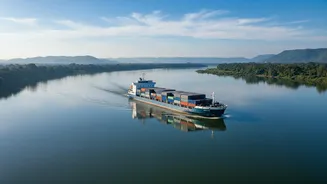
The government is heavily promoting the development of its inland waterways, with the National Waterways Act of 2016 designating 111 waterways for development. The flagship Jal Marg Vikas Project on National Waterway-1 (Ganga) is a prime example, aiming
to create a navigable channel for large vessels. The promise is compelling: lower logistics costs, reduced carbon emissions, and decongestion of India's overcrowded road and rail networks. Water transport is cited as the most economical method for moving goods, with one estimate suggesting the per-kilometre operating cost is significantly lower than road and rail. With cargo movement on National Waterways showing significant growth, the vision is to increase the modal share of inland water transport from the current 2% to 5% by 2030.
Port-to-Port vs. Door-to-Door
Herein lies the critical detail for any logistics planner. The advertised benefits of waterways often focus on the 'port-to-port' or 'terminal-to-terminal' leg of the journey. This is the time and cost for a vessel to travel along the river. However, cargo doesn't magically appear at a river terminal and disappear at the destination. It has to be brought from a factory and delivered to a warehouse or customer. Door-to-door logistics refers to the entire end-to-end service, from the sender's location to the recipient's final address, managed by a single provider. The real efficiency of any transport mode is measured by this complete journey time and cost, not just one segment of it.
The First-Mile Challenge
Before a shipment can even begin its journey on a waterway, it must first get there. This 'first mile' involves transporting goods from the point of origin—a factory, farm, or warehouse—to the nearest river terminal or multimodal hub. This leg is almost always done by truck. Businesses must account for the cost of this road transport, potential delays due to local traffic and road conditions, and the cost and time involved in unloading from trucks and loading onto a barge. Inadequate road connectivity to waterway terminals is a frequently cited challenge that can slow down project implementation and negate the cost benefits of river transport.
The Last-Mile Hurdle
Similarly, the 'last mile' presents its own set of hurdles. Once the barge reaches the destination terminal, the cargo must be unloaded, potentially stored, and then loaded onto trucks for final delivery. This last leg is often the most complex and expensive part of the entire supply chain. Poor hinterland connectivity, a lack of modern cargo handling facilities, and a shortage of available trucks at the terminal can introduce significant delays and additional costs. If the infrastructure for seamless integration with road and rail networks isn't in place, the time saved on the water can be quickly lost on land.
Calculating Your True Logistics Cost
To accurately assess if waterways are a viable option for your business, you must look beyond the freight rates. A true cost-benefit analysis should include several factors: Handling Charges: Costs for loading and unloading at both terminals (from truck to barge and back to truck). First and Last-Mile Transport: The expense of trucking goods to and from the river terminals. Warehousing: Potential costs for storage at the terminal if there's a gap between transport modes. Inventory Costs: Slower transit times for waterways compared to road or rail mean goods are in transit longer, tying up capital. Reliability and Scheduling: Water levels can be seasonal, and dredging is often required to maintain navigability, which can impact year-round reliability. The lack of return cargo on some routes can also impact operational costs for vessel operators. Insurance: Assess any differences in insurance premiums for goods transported via waterways.
Are Waterways Worth It for Your Business?
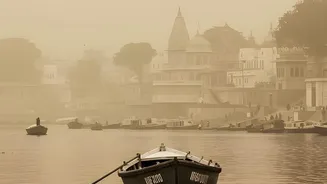
The answer is not a simple yes or no; it is a strategic decision that depends on your specific needs. Inland waterways are best suited for high-volume, non-perishable, and non-time-sensitive bulk cargo like coal, cement, food grains, and fertilisers. For such goods, the cost savings on the main river journey can be substantial enough to offset the first and last-mile complexities. The government is also working to address these issues by developing multimodal terminals, freight villages in places like Varanasi and Sahibganj, and improving rail and road connectivity under initiatives like PM Gati Shakti. However, for high-value or time-sensitive goods, the longer and less predictable door-to-door journey time may make waterways less competitive.