



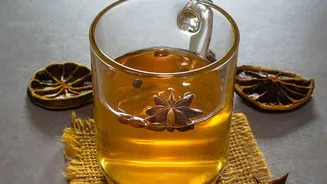


Why Nilgiri Is Perfect for Cold Brew
While Assam and Darjeeling often take the spotlight, Nilgiri tea, from the Blue Mountains of Southern India, is the unsung hero of iced beverages. Its secret lies in its naturally low levels of tannins, the compounds that can make black tea taste bitter
or astringent when cooled. Nilgiri tea is known for its smooth, mellow character and clean, brisk finish. When steeped in cold water, it produces a stunningly clear, golden liquor that doesn't turn cloudy. Its inherent floral and citrusy notes become even more pronounced when chilled, creating a naturally sweet and refreshing base that requires little to no added sugar. This makes it the ideal canvas for fruit infusions.
The Cold-Brewing Basics
Making cold-brew tea is a lesson in patience, but the process itself is incredibly simple. You don't need any fancy equipment—just tea, water, a container, and time. For a balanced brew, a good starting ratio is about 10-15 grams of loose-leaf Nilgiri tea (roughly 2 to 3 teaspoons) for every litre of cold, filtered water. Combine the tea and water in a large jar or pitcher, cover it, and place it in the refrigerator. Let it steep for 8 to 12 hours, or even overnight. The slow, gentle infusion will extract all the delicate flavours without any of the bitterness. Once the time is up, simply strain the leaves out, and your base tea is ready.
A Guide to India's Seasonal Fruits
The magic of this drink comes from using fresh, local fruits at their peak. India's diverse climate offers a rotating bounty of flavours to experiment with throughout the year. For summer (March to July), think of the classics: sweet mangoes, juicy watermelon, fragrant lychees, and jackfruit. During the monsoon season (July to September), look for tart jamun, peaches, plums, and cherries. Winter (October to February) brings a wonderful array of options like bright oranges, sweet limes, pomegranates, strawberries, and guavas. Using fruits when they are in season not only guarantees the best flavour and nutritional value but also connects your drink to the natural rhythm of the land.
The Art of Infusion
There are two main approaches to infusing your tea. You can add the fruit at the very beginning and let it steep along with the tea leaves, which results in a deeper, more integrated flavour. Alternatively, for a fresher, more vibrant fruit taste, you can add your chosen fruits after the tea has been brewed and strained. For this method, add sliced or lightly muddled fruit to the finished cold brew and let it infuse for another 2 to 4 hours in the fridge. Mashing fruits like berries or peaches slightly before adding them helps release their juices and flavours more quickly. Herbs like mint or basil, and whole spices like a cinnamon stick or star anise, can also be added during this second infusion for another layer of complexity.
Flavour Combinations to Inspire You
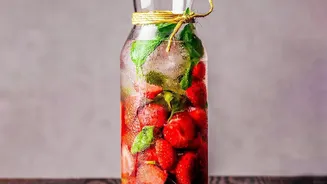
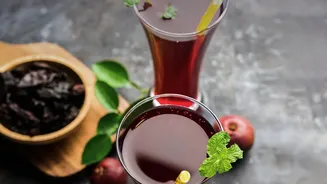
While you can’t go wrong with a single fruit, certain pairings create truly memorable drinks. The possibilities are endless, but here are a few combinations to get you started. For a taste of summer, try pairing your Nilgiri cold brew with ripe mango slices and a few fresh mint leaves. Another classic is peach and black tea, a combination that is beloved for a reason. In the monsoon months, combine jamun with a squeeze of lime for a beautiful colour and tart kick. During winter, infuse the tea with orange slices and a single cinnamon stick for a warming, festive flavour. Other delightful pairings include strawberry and hibiscus, pineapple and green tea, or watermelon and fresh basil. Don't be afraid to experiment with what's available and what you enjoy.