




The New Work-Life Fantasy
The global shift to remote work has untethered millions from their physical offices, creating a new tribe of 'digital nomads'. For many in India, this initially meant carving out a workspace at home. But as the lines between work and life blurred, a desire
for something more emerged. Not just a vacation, but a 'workcation'—a chance to integrate work into a more inspiring, fulfilling lifestyle. Bali, long a magnet for travellers, has become the epicentre of this movement. It offers more than just beautiful beaches and affordable living; it offers a new blueprint for what an office can be, trading concrete and air-conditioning for bamboo and fresh air.
Architecture as a Statement
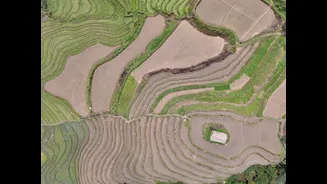
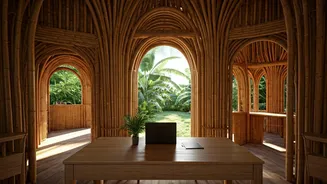
Step inside one of these hubs, and the first thing you notice is the structure itself. These are not your typical office buildings. Often described as 'bamboo cathedrals', these multi-storey, open-air structures are masterpieces of sustainable design. Crafted almost entirely from locally sourced bamboo, they curve and soar in organic shapes that blend seamlessly with the surrounding rice paddies and jungle. The design is intentional. The lack of walls encourages natural airflow, eliminating the need for energy-guzzling air conditioners. The use of natural light reduces electricity consumption. Working here feels less like being in an office and more like being in a giant, productive treehouse, with the sounds of nature providing a constant, calming soundtrack to your workday.
More Than Just Fast Wi-Fi
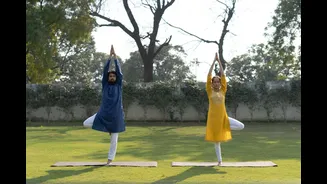
While a strong internet connection is non-negotiable, what truly defines these spaces is the community. They are magnets for a diverse group of entrepreneurs, creatives, developers, and wellness experts from around the world. Unlike a sterile, anonymous office, these hubs are built around connection. You might be coding a website next to a graphic designer from Germany and a sustainability consultant from Mumbai. Collaborative projects are born over organic lunches, and networking happens naturally at weekly skill-sharing sessions or sunset yoga classes. This environment fosters not just professional growth but personal expansion, challenging residents to think globally and live more consciously.
The 'Zero-Waste' Philosophy
The term 'zero waste' is more than just a buzzword here; it's a guiding principle. While achieving a true zero-waste state is a constant challenge, these hubs are deeply committed to the ethos. It starts with the building materials—bamboo is a rapidly renewable resource. It extends to daily operations: on-site composting systems turn food scraps into garden fertilizer, water is filtered and reused, and single-use plastics are strictly forbidden. The cafes and canteens prioritise locally sourced, organic produce, reducing the carbon footprint of every meal. For the people who work here, it's an education in mindful consumption, showing that a modern, productive lifestyle doesn't have to come at the expense of the planet.
A Glimpse of the Future?
Could this Balinese model be the future of work? While not everyone can or wants to relocate to a tropical island, the principles are universally applicable. The Bali hubs prove that productivity doesn't require a cubicle. They show that community can be a powerful business asset and that sustainability can be integrated into every aspect of an operation. As companies and individuals worldwide reconsider what an 'office' should be, these bamboo structures offer a compelling vision. They suggest a future where work is not a place you go to, but an activity you do—one that can be healthier, more connected, and more in harmony with the world around us.