





You may never get to visit Saturn’s largest moon, but your name can. NASA has opened a unique opportunity for the public to be part of its next great adventure: sending names nearly a billion miles from Earth aboard a revolutionary space probe.
Your Ticket to an Alien World
Securing
a symbolic spot on the Dragonfly mission is a simple process. NASA has launched the 'Journey to Titan' campaign, inviting people globally to submit their names. By visiting NASA's official website for the campaign, you can fill out a short form to have your name etched onto a microchip that will be attached to the rotorcraft. After registering, participants receive a personalized digital boarding pass as a souvenir of their involvement in this historic journey. The deadline for submissions is currently set for January 15, 2027, giving space enthusiasts plenty of time to claim their place. These public engagement campaigns have become a beloved tradition for NASA, with previous missions like the Perseverance rover carrying millions of names to Mars.
Meet Dragonfly, the Titan Explorer
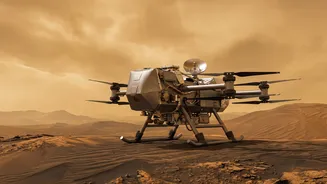
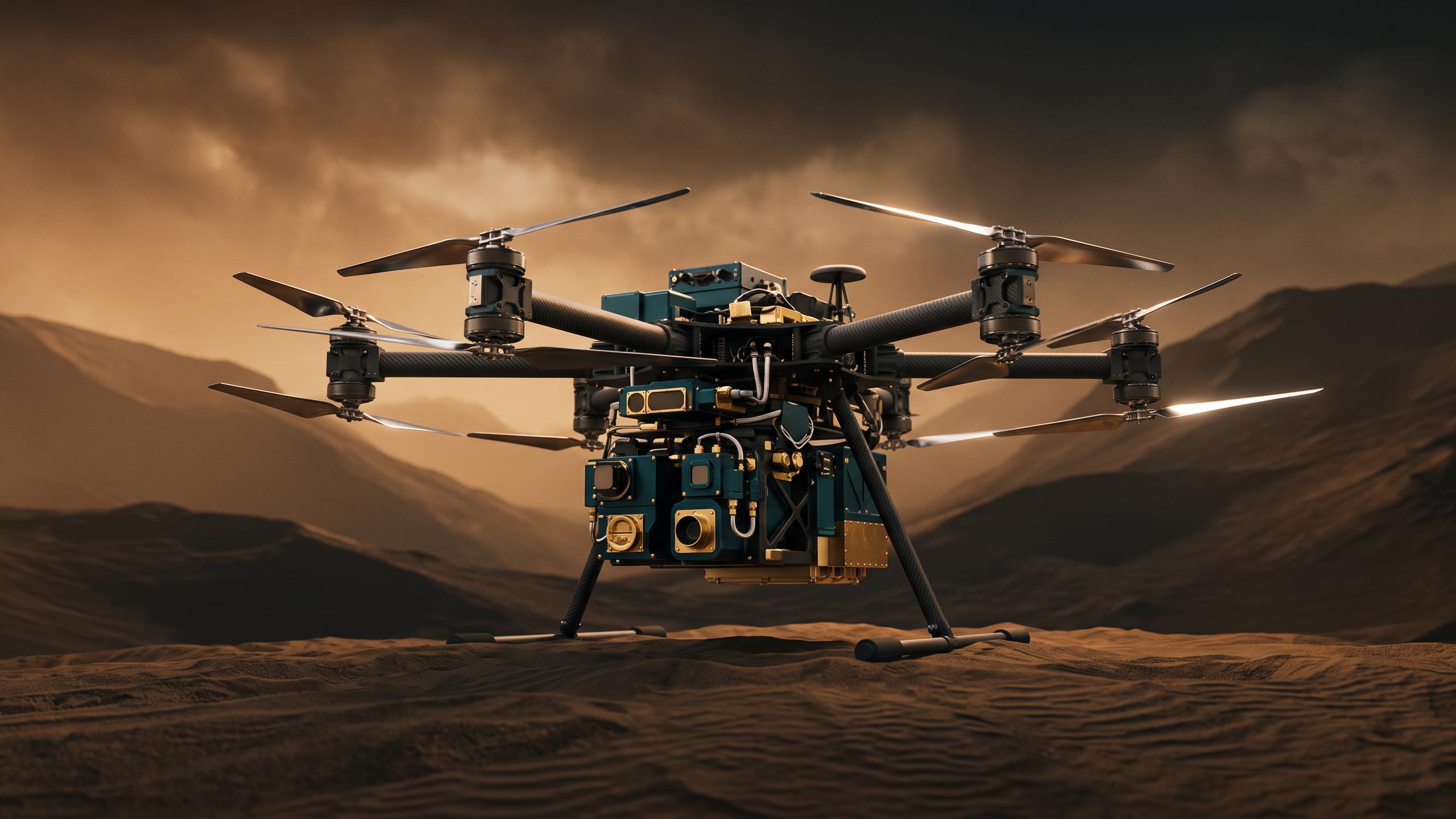
The vehicle your name will be traveling on is no ordinary spacecraft. Dragonfly is a car-sized, nuclear-powered rotorcraft—essentially a drone designed for another world. It features eight rotors that will allow it to fly through Titan's thick atmosphere, making it the first time NASA will fly a multi-rotor vehicle for science on another planet. Unlike stationary landers or rovers with limited range, Dragonfly is built for mobility. It will be able to fly tens of miles in a single trip, hopping from one scientifically interesting location to another. This ability will allow it to survey diverse landscapes, from organic-rich dunes to the floor of an ancient impact crater, covering far more ground than any previous lander mission.
Why Is Titan So Special?
Titan is one of the most intriguing destinations in our solar system and a top priority for astrobiologists. It is the only moon with a dense atmosphere and the only body besides Earth known to have stable liquid on its surface in the form of rivers, lakes, and seas. However, Titan's liquid is not water; it is frigid methane and ethane. The moon's nitrogen-rich atmosphere and the presence of complex organic molecules raining down on its surface create a chemical environment that scientists believe may be similar to that of primordial Earth, before life emerged. While Dragonfly is not a life-detection mission, it will investigate this 'prebiotic chemistry' to understand the ingredients and processes that could lead to the formation of life.
A Multi-Year Journey Through Space
Patience is a virtue in deep space exploration. The Dragonfly mission is scheduled to launch aboard a SpaceX Falcon Heavy rocket in July 2028. After its departure from Earth, the spacecraft will embark on a long voyage across the solar system. It is expected to finally arrive at Titan in 2034. Upon arrival, the rotorcraft will begin its primary science mission, which is planned to last for over three years. During this time, it will autonomously navigate to dozens of locations, drilling for samples, analyzing their chemical composition, and sending invaluable data back to scientists on Earth, fundamentally changing our understanding of this alien world.