

What is an Olla Pot?
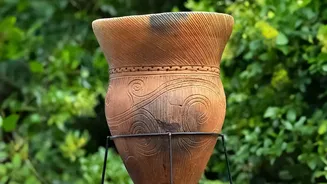
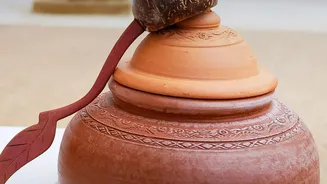
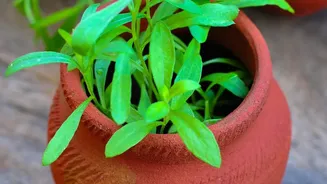
An olla (pronounced 'oy-ya') is an unglazed, porous clay pot that is buried in soil and filled with water to irrigate plants. With history tracing back to ancient China, North Africa, and the Americas, this method has been used for millennia to grow crops
efficiently in arid climates. The principle is brilliantly simple: bury the pot with its neck exposed, fill it with water, and let nature do the rest. Its longevity is a testament to its effectiveness; the design has barely changed because it works so well.
The Simple Science of Root Hydration
Ollas work through a natural process called soil moisture tension, a form of osmosis. The unglazed terracotta is porous, filled with microscopic holes. When the soil around the buried pot is dry, it naturally pulls water through these pores directly to the root zone. When the soil is moist enough, the pulling action stops. This creates a perfect, self-regulating system where plants take exactly the amount of water they need, when they need it. This direct-to-root delivery eliminates surface evaporation, a major source of water loss in conventional watering.
Why Ollas are Perfect for Balcony Containers
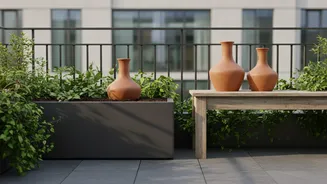
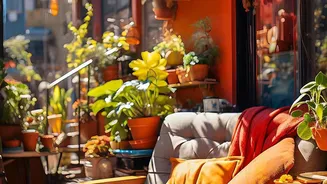
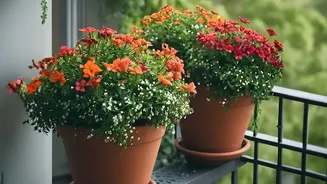
Container gardens on city balconies dry out much faster than in-ground beds due to heat and limited soil volume. Ollas solve this problem beautifully. They provide a consistent source of moisture, preventing the stressful wet-dry cycles that can harm plants. This can save up to 70% of water compared to surface watering, a significant benefit for eco-conscious city dwellers. It also means less time spent watering and healthier plants that are more resilient to pests and diseases like blossom end rot in tomatoes, which is often caused by inconsistent moisture.
Choosing and Using Your Olla
For balcony pots, choose an olla size that leaves adequate room for your plant's roots. As a general rule, the container should be at least 12 inches in diameter. Bury the olla in the centre of your pot, leaving the neck above the soil for easy refilling. Plant your seedlings or starts around it. You may need to surface-water for the first couple of weeks until the plant's roots grow towards the water source. Thirsty, fibrous-rooted plants like tomatoes, peppers, squash, and herbs such as basil and mint thrive with olla irrigation. Simply fill the olla every few days to a week, depending on the weather and plant needs.
A Simple DIY Olla
You don't need to buy a specialty pot to try this method. A functional olla can be made from two unglazed terracotta pots of the same size. Use a waterproof silicone sealant to plug the drainage hole of one pot. Then, apply a generous bead of the sealant around the rim of that same pot and press the rim of the second pot firmly onto it to create a single, enclosed vessel with a hole on top for filling. Let it cure completely before burying it in your container. This makes the technique accessible and affordable for any gardener.