







The Rise of a Dairy Powerhouse
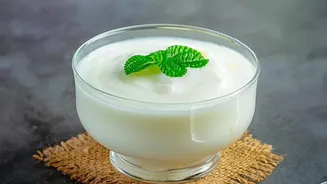
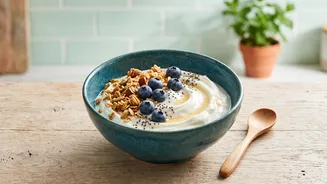
Not all yoghurts are created equal. Unlike traditional dahi, true Greek yoghurt is strained to remove most of its liquid whey. This process concentrates the protein and results in a much thicker, creamier product. Initially seen as a premium, even exotic,
item, it has found a loyal following among health-conscious urban consumers. The reason is simple: a typical serving of Greek yoghurt can contain nearly double the protein of regular curd, with fewer carbohydrates. This nutritional profile aligns perfectly with modern wellness goals like muscle recovery, weight management, and satiety, making it a go-to for fitness enthusiasts and anyone looking for a nutritious snack.
The Protein-First Mindset
The success of Greek yoghurt is deeply tied to a growing protein consciousness across India. As lifestyles become more sedentary, awareness around diet-related health issues is rising. Consumers are no longer just buying milk; they are seeking 'functional foods' that offer specific benefits. Protein is at the top of that list. Reports indicate that while protein consumption is rising, many consumers are actively tracking their intake and checking labels for nutritional information. Greek yoghurt, with its high-protein, low-carb credentials, is perfectly positioned to meet this demand. Quick commerce platforms have played a huge role, making cold-chain products like Greek yoghurt readily accessible and reporting surges of over 200% in protein-rich product orders.
Beyond Greek Yoghurt
This shift is not just about one product. The entire dairy landscape is being reshaped by this demand for nutrition. High-protein paneer, probiotic-rich drinks, and A2 milk are all gaining traction. Kefir, a fermented milk drink packed with even more diverse probiotics than yoghurt, is moving from a niche health food to a mainstream wellness product. Similarly, the market for probiotic foods and drinks in India is expanding rapidly, projected to grow at a compound annual growth rate of over 15%. Consumers are increasingly looking for products that support gut health, boost immunity, and offer tangible wellness benefits, and dairy companies are racing to innovate.
What’s Driving the Change?
Several factors are fuelling this dairy revolution. Rising disposable incomes and rapid urbanization mean more consumers can afford and access premium products. Increased exposure to global food trends through social media has made Indians more adventurous and knowledgeable eaters. Furthermore, a post-pandemic focus on health and preventive wellness has accelerated the demand for foods that are seen as naturally beneficial. This 'nutrition-led' approach means consumers are willing to pay more for products that deliver on health promises, pushing the industry away from a purely commodity-based model towards value-added goods.
How the Industry Is Responding
India's dairy giants and agile startups are all adapting to this new reality. Major players like Amul and Mother Dairy are expanding their value-added portfolios to include probiotic dahi and Greek yoghurt, leveraging their vast distribution networks to make these products more accessible. At the same time, brands like Epigamia, which helped pioneer the Greek yoghurt category in India, continue to innovate with new flavours and formats. The market is seeing a flurry of activity, from protein-enriched milkshakes and smoothies to artisanal cheeses, all aimed at capturing the modern Indian consumer who reads the label and expects more from their food.