
The Silent Problem in Our Kitchens
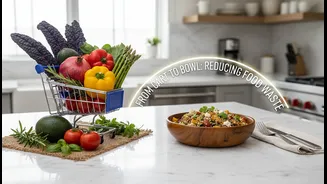
Food waste is a challenge that begins long before the plate, but it often ends in our home kitchens. In India, a staggering amount of food is wasted at the household level. Reports suggest that the average urban household discards a significant quantity
of food annually, with some estimates as high as 50 to 55 kilograms per person. This isn't just a matter of lost leftovers; it represents wasted resources like water, energy, and land. When food rots in landfills, it releases methane, a potent greenhouse gas that contributes to climate change. The issue is clear: while we often blame supply chains, a large part of the solution lies within our own homes and daily habits.
Why 'Andaza' Needs an Upgrade
In many Indian households, cooking is done by 'andaza'—a skilful estimation based on experience. While this intuitive method is a cherished part of our culinary heritage, modern lifestyles with distracting devices and changing family sizes can throw this fine sense of judgment off. The result is often an accidental surplus. The simple act of moving from a vague estimate to a conscious measurement before cooking is transformative. It forces a moment of mindfulness, shifting you from autopilot to active planning. This prevents the common mistake of cooking for a larger crowd than is actually present, which is a primary driver of waste.
A Practical Guide to Portioning
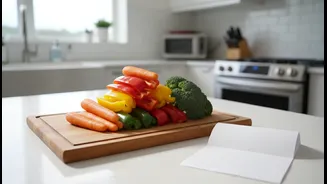
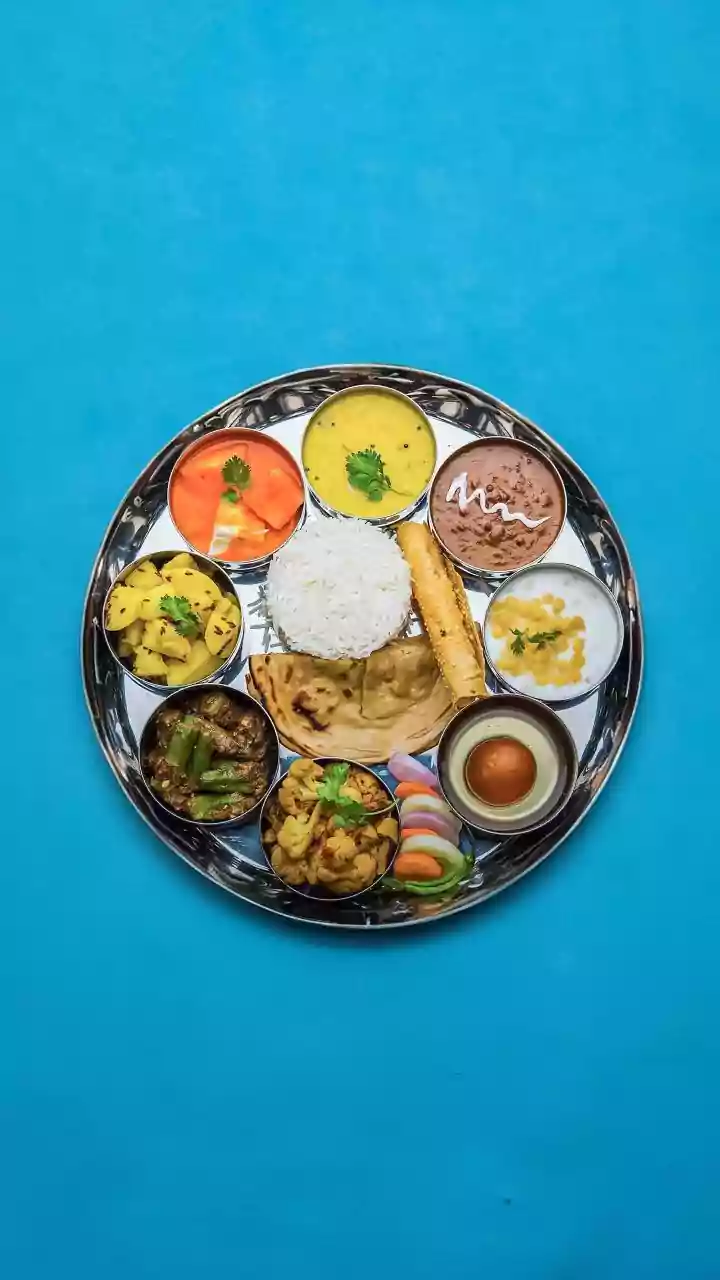
You don't need complicated tools to start. The traditional Indian thali itself is a masterclass in portion control, offering variety in small, manageable quantities. You can bring this wisdom to your daily cooking by using simple, consistent measures. For rice, a designated small cup or katori per person is a great rule of thumb. When it comes to dal, measure out a few tablespoons of dry lentils per serving. For vegetables, which should ideally fill a large part of your plate, a cupped hand can be a useful guide for chopped items. Using simple tools like measuring spoons for oil and spices, or even a dedicated set of serving spoons, can create consistency and prevent excess.
Using Your Hand as a Guide
When kitchen scales and cups aren't available, your own hand is a surprisingly effective tool for estimating portions. This method is particularly useful for controlling serving sizes at the table, but it can also guide your prep work. A serving of protein like paneer or chicken should be about the size of your palm. A fist-sized portion is a good measure for carbohydrates like cooked rice or upma. A single cupped hand can measure out a snack portion of nuts, while two hands cupped together can estimate a generous serving of salad or raw vegetables. These visual cues help you internalise what a reasonable portion looks like, making it easier to cook the right amount every time.
Beyond the Cooking Pot
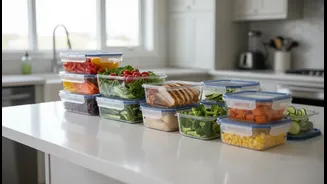
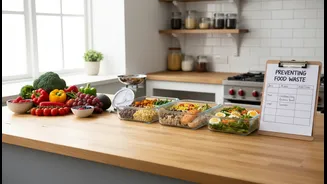
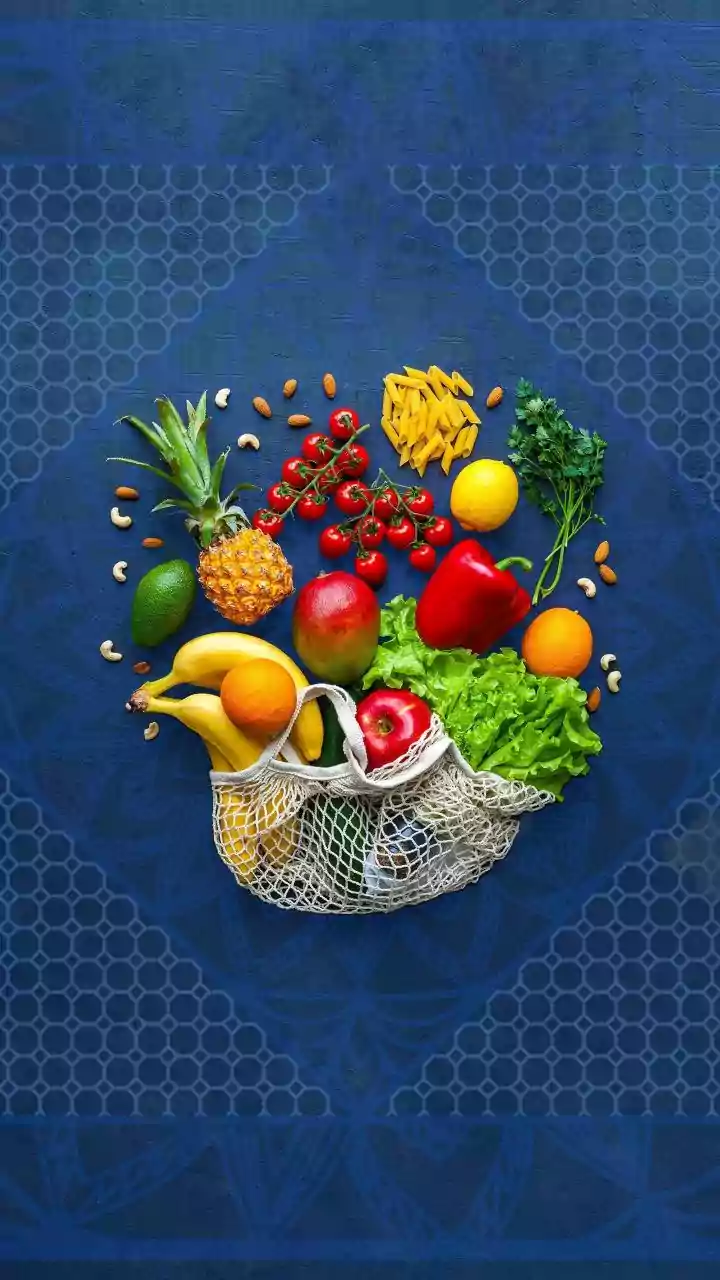
Estimating portions is the first, most crucial step, but a few other habits can amplify your waste-reduction efforts. Weekly meal planning is a powerful tool; it ensures you buy only what you need and have a plan for every ingredient. Before heading to the store, take a quick inventory of your pantry and fridge to avoid buying duplicates. Get creative with leftovers! Yesterday's dal can become the base for a paratha filling, and leftover rice can be transformed into a flavourful fried rice. Using smaller plates and bowls can also psychologically help you and your family feel satisfied with smaller, more appropriate portions.