


Beyond the Traditional Mithai Box
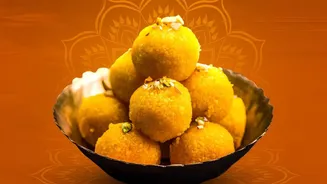
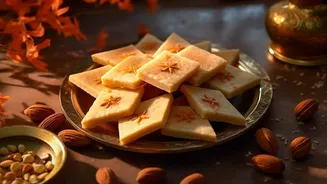
The culture of festive gifting in India is deeply rooted in tradition, with sweets like kaju katli and laddoo serving as symbols of joy and togetherness. For years, exchanging these sweets was a cherished ritual. However, consumer preferences are evolving.
The shift is not necessarily an abandonment of tradition but an expansion of it. Givers and receivers are increasingly looking for options that feel more personal and less repetitive than the mass-produced sweet boxes that were once standard. This change is partly driven by a greater awareness of health and wellness, leading people to seek alternatives to sugar-heavy treats. While traditional sweets retain their cultural importance, a new space has opened up for gifts that reflect contemporary tastes and mindful consumption.
The Rise of Artisanal and Gourmet Choices
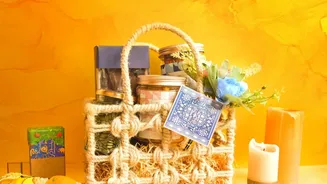
At the heart of this trend is the growing popularity of artisanal and gourmet products. Instead of a large box of a single type of sweet, the modern hamper is a treasure trove of discovery. These smaller collections might feature items like single-origin coffees from Coorg, handcrafted chocolates with unique flavour profiles, artisanal cheeses, gourmet crackers, exotic preserves, or premium flavoured nuts. This move towards 'quality over quantity' is significant. A search on any quick-commerce app reveals an overwhelming variety of such hampers, signalling a major shift in what consumers are looking for. Brands are responding with beautifully packaged collections that combine traditional elements with modern flair, such as fusion desserts or sweets made with healthier ingredients like jaggery and dates.
Curation as the New Form of Luxury
The keyword in this new gifting era is 'curation'. The value of a gift hamper now lies not just in its contents, but in the thoughtfulness behind their selection. A well-curated hamper tells a story and shows a deep consideration for the recipient's tastes, making the act of gifting more meaningful and personal. This focus on personalisation is a reaction to the era of industrialized, generic gifts. Today, a gift is expected to reflect the relationship between the giver and the receiver. The ability to customise a hamper with a handwritten note or a selection of specific items makes the gesture feel more intimate and less like an obligation. This experience-driven approach is why many now see curated hampers as a form of affordable luxury.
Small Hampers, Big Emotional Impact
Interestingly, the trend favours smaller, more compact hampers. This demonstrates a departure from the belief that a bigger gift is a better one. A small, elegant box containing a few high-quality, carefully selected items can have a much bigger emotional impact than a large, impersonal basket. The unboxing experience itself has become a significant part of the gift. Premium packaging with magnetic boxes, satin ribbons, and decorative fillers enhances the sense of occasion and makes the recipient feel truly special. This focus on aesthetics and experience is particularly appealing to younger, urban consumers and is amplified through social media, where visually appealing products thrive.
Reflecting a Modern Indian Identity
Ultimately, the rise of gourmet hampers is a reflection of a broader cultural shift in India. It mirrors the tastes of a more globalised, discerning, and economically confident consumer base. It shows a society that is finding new ways to honour its traditions while embracing modernity. The festive gift is no longer just a customary exchange but a form of self-expression and a way to share unique experiences. It’s about communicating taste, thoughtfulness, and care through a carefully assembled collection of delights. This evolution doesn't mean the end of the beloved mithai box, but rather its incorporation into a wider, more diverse, and more personal world of festive gifting.