




Why the Urgent Warning?
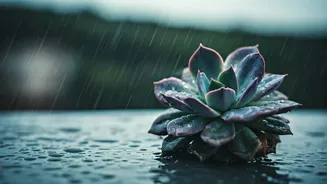
It seems counterintuitive. Plants need water, right? Yes, but succulents are a special case. These hardy plants evolved in arid deserts, not humid tropics. Their fleshy leaves and stems are designed to store water for long periods. In dry conditions,
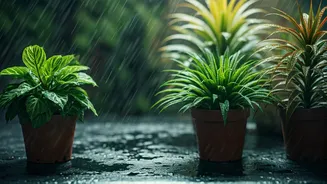
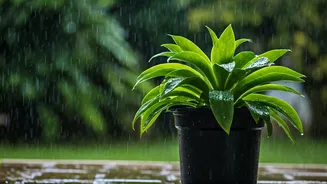
this is a brilliant survival mechanism. In high humidity, however, it becomes their biggest vulnerability. The air is already saturated with moisture, which means two things: the soil your succulent lives in will take much longer to dry out, and the plant itself will absorb some moisture from the air. [20, 9] Watering now, as you would in drier weather, is like pouring water into a cup that's already full. The roots, which need oxygen to survive, will be trapped in waterlogged soil, unable to breathe. [23, 15]
The Silent Killer: Root Rot
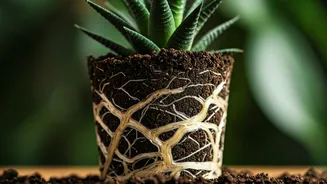
This leads to a condition that is the number one killer of succulents: root rot. [11] When roots are deprived of oxygen and sit in constant moisture, they begin to decay. Fungi and bacteria, which thrive in damp conditions, join the attack. [25, 21] The rot starts at the roots, turning them from healthy white or light brown to a black, mushy mess. [21, 24] From there, the decay travels up into the stem and leaves of the plant. Because all this action happens below the soil, by the time you notice something is wrong, it might be too late. This is why the advice is to stop watering *right now*—it’s a preventative measure to protect your plants during this vulnerable period.
Signs of Water Distress
So, how can you tell if your succulent is in trouble? Keep an eye out for these tell-tale signs of overwatering and early-stage rot. The lowest leaves on the plant may turn yellow or translucent and feel soft or squishy to the touch. [13] In some cases, leaves will start to fall off with the slightest bump. The stem itself might feel soft or look discoloured near the soil line. [23] A wilting appearance, even when the soil is wet, is another major red flag, as it means the roots are no longer able to absorb water and nutrients for the plant. [21] If you suspect rot, don't be afraid to gently remove the plant from its pot to inspect the roots directly. [4, 7]
Your Monsoon Succulent Care Plan
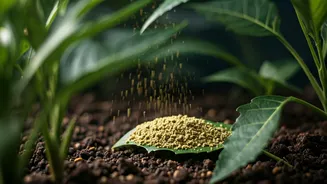
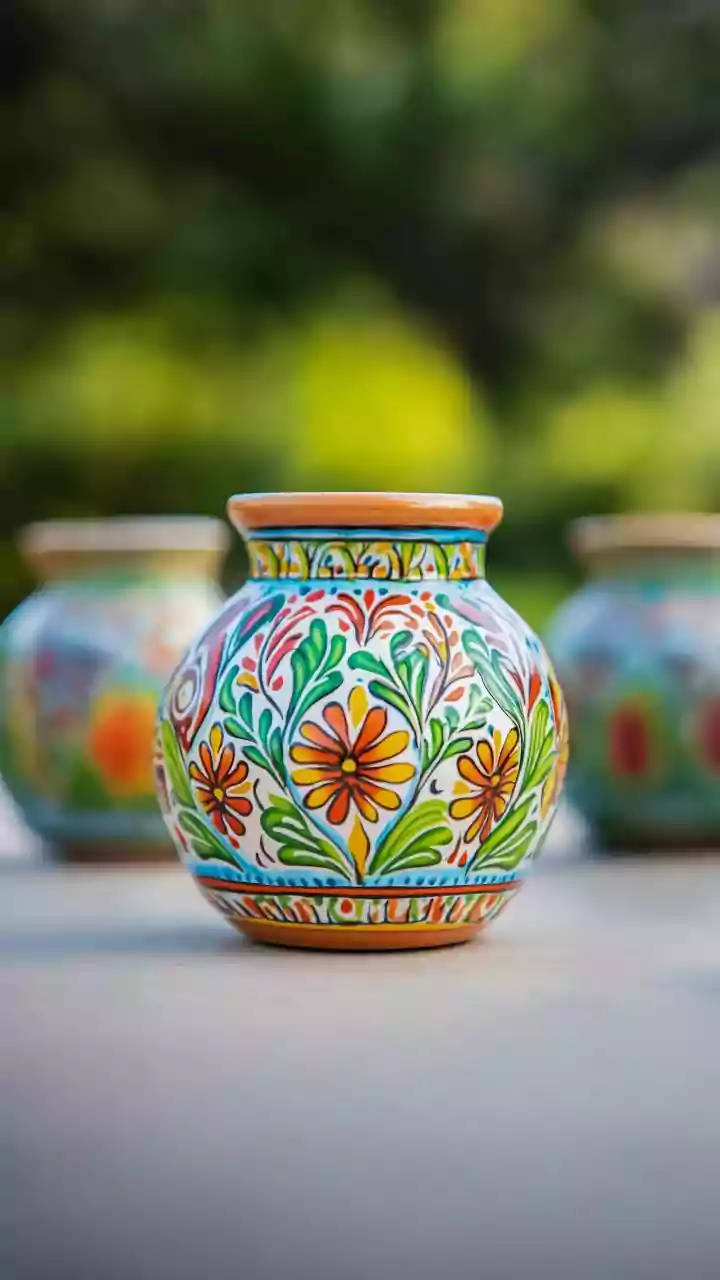
Stopping watering is step one, but what else should you do? First, increase air circulation. [3, 9] If your plants are indoors, place a small fan nearby on a low setting for a few hours a day to help evaporate excess moisture and mimic a natural breeze. [15, 16] Avoid grouping too many plants tightly together. [3] Second, ensure your pots have excellent drainage. If your decorative pot doesn't have a hole, it's a death trap during the monsoon. [2, 14] And absolutely do not mist your succulents; this only adds more moisture to the leaves and invites fungal infections. [2] During the monsoon, you should also pause any fertilization. [2] Your mantra should be: less is more.
When Is It Safe to Water Again?
Forget your regular watering schedule. During periods of high humidity, you might only need to water once every three to four weeks, or even less. [9] The only reliable way to know when to water is to check the soil. Don't just touch the surface; insert your finger or a dry wooden stick (like a chopstick) at least two inches into the soil. [14, 11] If it comes out with any moisture or soil sticking to it, do not water. Wait until the soil is completely, bone-dry all the way through. When you do water, it's better to 'bottom water' by placing the pot in a tray of water for 15-20 minutes, allowing the soil to soak up moisture from below. This keeps the leaves and stem dry, further reducing the risk of rot. [19]