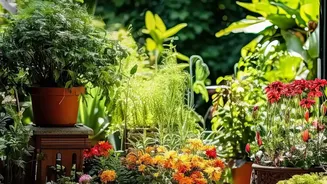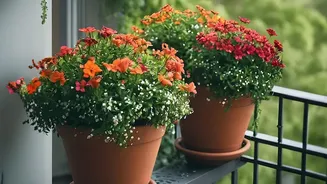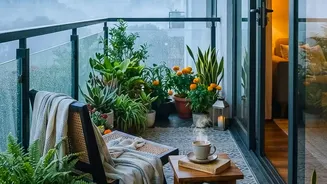

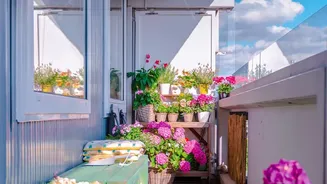
As the monsoon recedes and a pleasant chill fills the air, it doesn't mean your balcony has to lose its colour. Winter is a prime season for gardening in India, offering the perfect climate for a host of beautiful, easy-to-grow flowers.
Essential Winter Balcony Care Tips
Before we dive
into the flowers, let's cover the basics. Winter gardening is rewarding, but it has its own rules. Firstly, sunlight is key. The winter sun is gentle, so place your pots in the sunniest spot on your balcony, ensuring they get at least 5-6 hours of direct light. Secondly, adjust your watering schedule. Cooler temperatures mean soil stays moist for longer. Water only when the top inch of the soil feels dry to the touch, and preferably in the morning. Finally, use a well-draining potting mix. A combination of garden soil, compost, and cocopeat works well to prevent waterlogging, which can cause root rot.
Marigold: The Cheerful and Hardy Favourite
No Indian winter garden is complete without the vibrant hues of marigold (genda). Available in brilliant yellows, oranges, and reds, they bring instant warmth and are incredibly easy to grow, making them perfect for beginners. Marigolds are sun-loving plants and thrive in pots or railing planters. They grow quickly, often flowering within 45-60 days of sowing. For bushier plants and more blooms, pinch off the growing tip about 30 days after planting and regularly remove faded flowers, a practice known as deadheading.
Petunia: The Cascading Queen of Colour
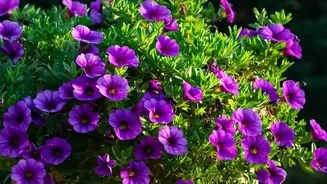
Petunias are arguably the queens of winter balcony gardening, celebrated for their trumpet-shaped flowers that come in a dazzling array of colours and patterns. They are especially well-suited for hanging baskets and window boxes, where their cascading growth can be fully appreciated. These plants need at least five to six hours of direct sunlight to flower profusely. While they can be grown from seed, buying seedlings from a nursery is an easier option for beginners and guarantees quicker blooms. Keep the soil moist but not waterlogged, as they are prone to root rot.
Pansy: The Charming Flower with a 'Face'
Known for the unique, face-like markings on their petals, pansies are a delightful addition to any winter balcony. They thrive in cooler temperatures and can even tolerate a light frost. Pansies are compact, making them ideal for smaller pots and mixed container arrangements where their charming blooms can be admired up close. They do best with at least six hours of sun but can tolerate some partial shade. Timing is crucial in India; plant them between September and November to enjoy blooms from December through March.
Calendula: The Sunny and Resilient Pot Marigold
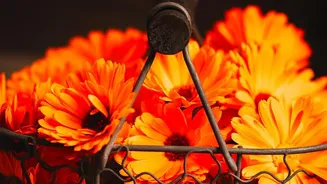
Often called pot marigold, Calendula is a different plant from the common marigold but is just as cheerful and easy to care for. Its bright orange and yellow daisy-like flowers are a resilient choice, thriving in the cool, sunny days of an Indian winter. Calendula grows well in pots and prefers a spot with full sun. It's also known for its hardiness and minimal maintenance needs. Regular picking of flowers encourages the plant to produce more buds, extending its blooming period. The petals are also edible, but ensure they are grown without pesticides if you plan to use them in food or tea.
Chrysanthemum: The Classic Guldaudi
Chrysanthemums, or Guldaudi, are a quintessential winter flower in many Indian households, available in a vast range of colours and forms like pom-poms and sprays. These plants are perennials, meaning they can bloom again next winter with proper care. They are 'short-day' plants, initiating buds as the nights get longer in autumn, which is why they flower from November to January. For best results, provide them with a sunny spot and a well-draining pot that is 10-12 inches in size. Avoid repotting a plant that is already in full bud, as this can cause them to drop.