



The Real Reason to Roll Your Clothes
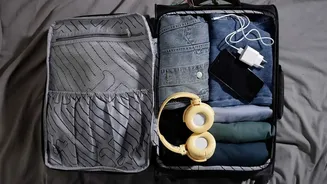
Let’s address the core claim first. Does rolling your clothes prevent water leaks? The direct answer is no. Rolling is a packing technique celebrated by travellers for its space-saving benefits. By tightly rolling items like t-shirts, dresses, and shorts,
you compress the fabric, allowing you to fit more into your suitcase. This method can also help reduce the deep-set wrinkles that folding often creates. So, while rolling is an excellent strategy for maximising space and keeping clothes organised, it does not create a waterproof barrier. Its role in a monsoon packing strategy is about efficiency, not leak prevention.
Battling Leaks: How to Truly Waterproof Your Bag
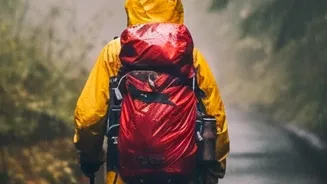
Water damage during monsoon travel comes from two sources: external rain and internal spills, particularly from toiletries. To protect against downpours, investing in a waterproof bag cover is a simple yet highly effective first step. For valuable electronics, documents, and wallets, individual waterproof pouches or even simple Ziploc bags provide a crucial layer of defence against unexpected showers. When it comes to internal leaks, toiletries are the main offenders. Air pressure changes during flights can cause bottles to leak. A simple but effective trick is to unscrew the cap, place a small piece of plastic wrap over the opening, and then screw the cap back on. For ultimate security, always store your liquid containers inside a sealed, waterproof toiletry bag or a large resealable plastic bag.
Preventing 'Spoilage': Keeping Clothes Fresh and Dry
The concept of clothes 'spoiling' on a trip refers to the musty, mildew smell that develops when fabrics are exposed to moisture and humidity without a chance to dry. This is a major concern during the monsoon, where humidity can be extremely high. The first line of defence is fabric choice. Prioritise lightweight, synthetic clothes made from materials like polyester and nylon. These fabrics dry much faster than cotton, which can take days to dry in humid conditions and quickly develops an unpleasant smell. A quick-dry microfibre towel is also a much better choice than a standard cotton one.
The Secret Weapons Against Dampness
Even with the best planning, ambient humidity can seep into your luggage, making everything feel slightly damp. To combat this, pack a few moisture-absorbing silica gel packs and distribute them throughout your suitcase. These small, inexpensive packets are surprisingly effective at drawing moisture out of the air within your bag, helping to keep your clothes feeling fresh. Another crucial tip is to keep wet or dirty items separate from your clean, dry clothes. Pack a dedicated dry bag or even just a reusable plastic bag to store any damp clothes, swimwear, or rain-soaked shoes until you have a chance to wash and dry them properly. This prevents moisture and odours from spreading to the rest of your belongings.
Assembling Your Monsoon Travel Kit
A well-packed bag is your best defence against the challenges of monsoon travel. Beyond clothing and waterproofing, a few other items are essential. Waterproof footwear with a good grip is non-negotiable for navigating wet and slippery streets. Insect repellent is also crucial, as the rainy season often sees an increase in mosquitoes. Pack a small first-aid kit with basics like antiseptic cream and bandages for any minor scrapes. Finally, a power bank ensures your devices stay charged, which is vital as power cuts can be more frequent during heavy rains. By thinking systematically about space, waterproofing, and freshness, you can ensure your luggage and its contents arrive safe, dry, and ready for your adventure.