

What is Tempering?
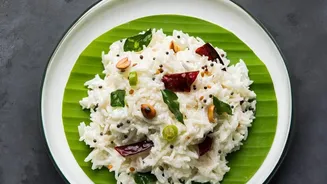
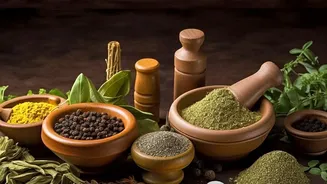
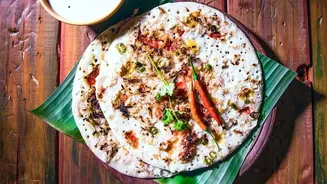
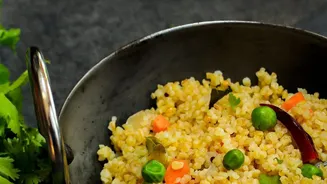
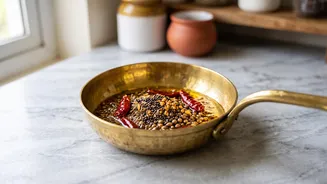
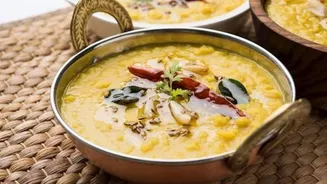
Known as tadka, chaunk, and by many other regional names, tempering is the process of briefly heating whole or ground spices in hot fat like ghee or oil. This infused oil is then poured into or over a dish, either at the beginning of the cooking process to build
a flavor base or at the end as a final aromatic flourish. While it takes only a minute, this step is a carefully orchestrated bit of food science, transforming spices from their raw, dormant state into a complex and integrated component of the final meal.
The Science of Amplified Flavour
So, what happens when spices hit hot oil? A rapid, delicious chemical reaction. Many of the aromatic compounds responsible for a spice's signature flavour and scent are trapped inside rigid plant cell walls. These compounds are largely fat-soluble (lipophilic), meaning they dissolve in oil far more effectively than in water. The hot fat acts as a solvent, breaking down the cell walls and pulling out these volatile essential oils. The oil then becomes a carrier, distributing this unlocked, multi-layered flavour evenly throughout the entire dish in a way that simply stirring in dry spice powders cannot achieve. Furthermore, the high heat can trigger Maillard-type reactions, creating new, deeper, and more complex browned flavours that weren't present in the raw spice.
Unlocking Therapeutic Compounds
The benefits of tempering go far beyond taste. Spices are rich in phytochemicals—biologically active compounds in plants that can offer health benefits, such as antioxidants. Many of these beneficial compounds, including vitamins A, D, E, and K found in spices like turmeric and cumin, are also fat-soluble. Just as with flavour molecules, these phytochemicals need fat to be effectively utilized by the body. Without it, they may pass through the digestive system with minimal absorption.
The Key to Bioavailability
This leads to the crucial concept of 'bioavailability'—the degree to which a substance is absorbed and becomes available for use by the body. Turmeric is a prime example. Its main active compound, curcumin, is notoriously difficult for the body to absorb on its own. However, research has shown that when consumed with fats, curcumin's bioavailability increases significantly. By blooming turmeric in hot oil or ghee, especially alongside black pepper (which contains piperine, another absorption-enhancer), the tempering process makes more of its potential anti-inflammatory and antioxidant properties available to your system. Essentially, tadka acts as a delivery system, ensuring the therapeutic compounds in your spices don't go to waste.
Technique Makes Perfect
Achieving the perfect temper requires attention to temperature and timing. The oil must be hot enough to make the spices sizzle and pop—a sign that their cell walls are rupturing—but not so hot that they scorch and turn bitter. The order in which spices are added is also critical. Whole, dense seeds like mustard and cumin go in first, as they can withstand more heat. More delicate items like garlic, dried red chillies, and curry leaves follow. Ground spices, which can burn in seconds, are typically added last, sometimes after the pan has been taken off the heat entirely. This careful sequencing ensures each ingredient is perfectly bloomed, contributing its best self to the final flavour and nutritional profile of your meal.