


The Science Behind the Strategy
Iron is a vital mineral that our bodies use to create red blood cells, which carry oxygen throughout the body. There are two types of iron found in food: heme iron from animal products and non-heme iron from plants. Our bodies don't absorb non-heme iron as
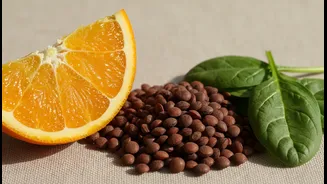
easily. This is where vitamin C comes in. Vitamin C, or ascorbic acid, is a powerhouse that significantly boosts the absorption of non-heme iron. It works by converting the iron into a form that's much easier for your body to absorb and use, a process known as chelation. Studies have shown that consuming vitamin C with an iron-rich meal can increase absorption substantially, helping to counteract dietary inhibitors like phytates found in grains and legumes.
Your Plant-Based Iron Heroes
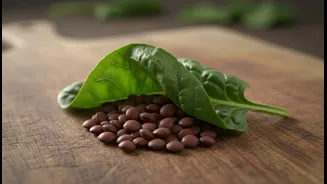
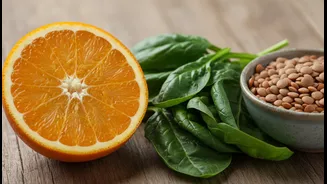
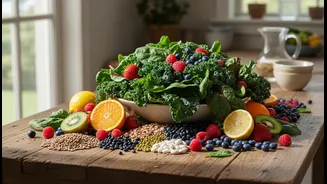
Before you can pair foods, you need to know where to find your iron. Luckily, a well-rounded plant-based diet in India is full of iron-rich options. Top sources include lentils (dals) like masoor, toor, and moong, which are staples in most households. Legumes such as chickpeas (kabuli chana), kidney beans (rajma), and black-eyed peas (lobia) are also excellent choices. Don't forget about dark leafy greens like spinach (palak) and mustard greens (sarson), as well as tofu, which is a versatile source of both iron and protein. Even everyday staples like whole wheat chapatis, nuts, and seeds like sabja (basil seeds) contribute to your daily iron intake.
Meet the Vitamin C Champions
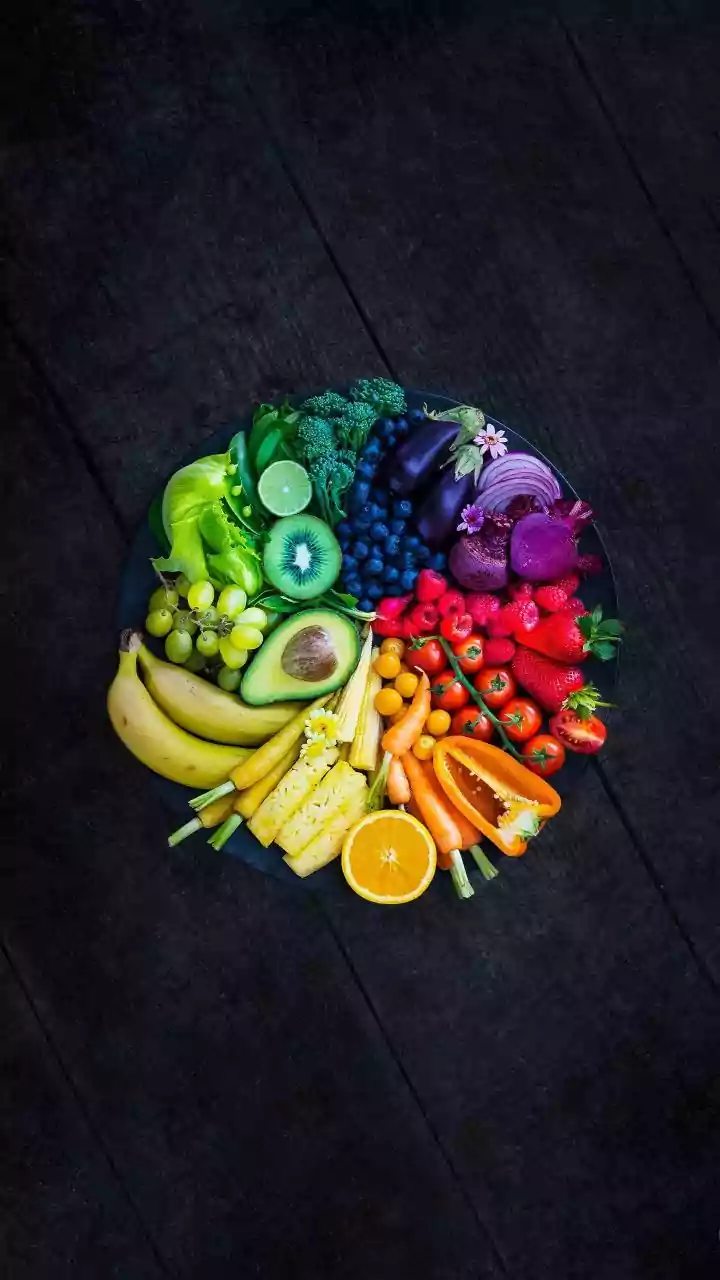
India is blessed with an abundance of foods high in vitamin C. While citrus fruits like lemons (nimbu) and oranges (santra) are well-known, many other local foods pack a bigger punch. Amla (Indian gooseberry) is a superfruit, containing significantly more vitamin C than an orange. Guavas (amrud) are another excellent source. Vegetables like bell peppers (capsicum), tomatoes, cauliflower, and even green chillies are loaded with vitamin C. Fruits such as papaya, mango, and strawberries are also great options to include in your diet for that C-boost.
Powerful Pairings for Your Plate
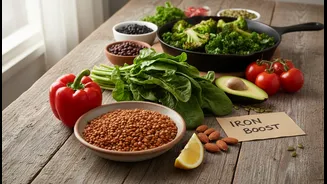
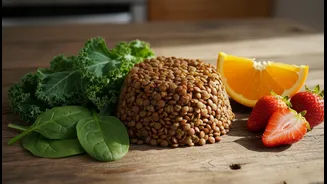
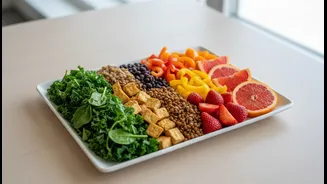
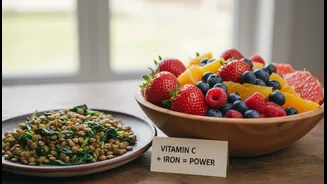
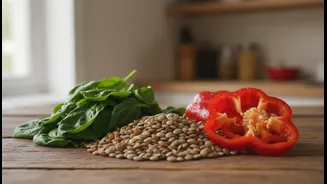
Now, let's put it all together. The key is to combine an iron hero with a vitamin C champion in the same meal. The possibilities are delicious and easy to incorporate into your daily routine. Squeeze fresh lemon juice over your bowl of dal or lentil soup. Add a side of tomato and cucumber salad to your rajma-chawal. Make a palak sabzi with lots of tomatoes or bell peppers. For breakfast, you could have a bowl of fortified cereal with a handful of strawberries. A chickpea curry cooked with spinach and tomatoes is a perfect pairing. Even snacking on an orange or a guava after a meal of dal and roti can help your body absorb more iron from the lentils and whole wheat.
What to Avoid During Iron-Rich Meals
Just as some foods enhance iron absorption, others can hinder it. Compounds called polyphenols, found in tea and coffee, can significantly reduce your body's ability to absorb non-heme iron. It's best to avoid drinking chai or coffee with or immediately after your main meals. Instead, try to have them at least an hour before or after. Calcium can also interfere with iron absorption, so it's wise to separate calcium-rich foods or supplements from your iron-focused meals when possible.