



The Heart of the Proposal
A consensus of leading experts in medicine, public health, and nutrition has put forward a significant recommendation: formally integrate potassium-enriched, low-sodium salt substitutes (LSSS) into India's national dietary guidelines. This proposal, which
emerged from a conference organized by The George Institute for Global Health India and Resolve to Save Lives, aims to treat LSSS as a key public health intervention. The core idea is to shift national strategy from simply telling people to 'cut salt' to actively 'switching salt'. The experts are urging that LSSS be included in sodium reduction strategies, hypertension guidelines, and that FSSAI standards be updated to facilitate its widespread, safe use.
India's Silent Sodium Crisis
The push for this change is rooted in a worsening public health crisis. Indians consume, on average, 8 to 11 grams of salt per day, which is nearly double the World Health Organization's recommended limit of 5 grams. This excessive sodium intake is a primary driver of high blood pressure, or hypertension. Across India, an estimated 220 million to 300 million people are living with hypertension. The condition is a leading risk factor for cardiovascular diseases (CVDs), which are the number one cause of death in the country. Compounding the problem, awareness and control are low; studies show that less than half of those with hypertension are aware of their condition, and only a fraction of those being treated have it under control.
Not All Salt Is Created Equal
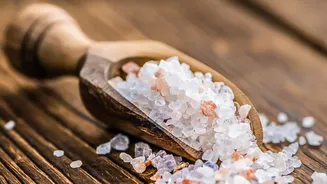
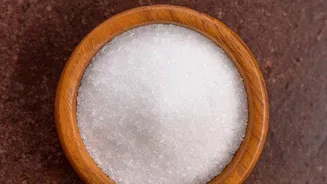
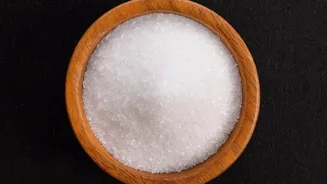
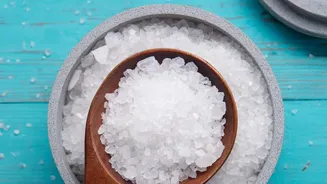
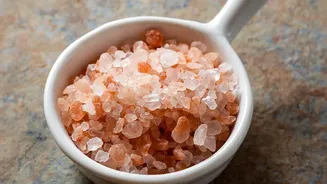
So, what exactly is this proposed alternative? Low-sodium salt is typically a blend of sodium chloride (the chemical name for regular table salt) and potassium chloride. The most common formulations being discussed contain about 70-75% sodium chloride and 25-30% potassium chloride. This simple switch achieves two goals at once: it reduces the intake of sodium, which raises blood pressure, and increases the intake of potassium, an essential mineral that helps lower blood pressure. Many Indians have diets low in potassium, making this dual-action approach particularly effective. Crucially, because the majority of salt intake in India comes from salt added during home cooking, a switch at the household level could have a massive impact.
The Potential Public Health Win
The evidence supporting the benefits of low-sodium, potassium-enriched salt is compelling. Large-scale international clinical trials have demonstrated significant health improvements. One landmark study, the Salt Substitute and Stroke Study (SSaSS), involved over 20,000 people and found that using a potassium-enriched substitute reduced the risk of stroke by 14%, major cardiovascular events by 13%, and premature death by 12%. Other meta-analyses have confirmed that these substitutes effectively lower both systolic and diastolic blood pressure. One expert has even referred to LSSS as a 'dietary vaccine' for hypertension, as it can offer continuous protection without requiring people to sacrifice the taste of their food.
Hurdles on the Path Forward
Despite the clear benefits, a nationwide shift faces several challenges. A key concern is safety for a small segment of the population. Individuals with advanced chronic kidney disease or those on specific medications (like potassium-sparing diuretics) can have difficulty excreting excess potassium, leading to a potentially dangerous condition called hyperkalemia. Therefore, any public health campaign would need clear labeling and educational outreach to guide these at-risk groups. Furthermore, issues of cost, availability, and public acceptance must be addressed. Low-sodium salt can be more expensive than regular salt, which could be a barrier for many households. The proposal also calls for government support in public procurement for programs like mid-day meals and for the food industry to reformulate packaged products, which would require significant coordination.