







The Invisible Threat in Floodwaters
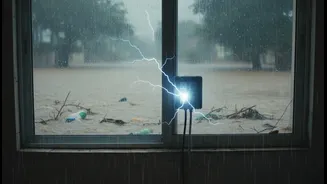
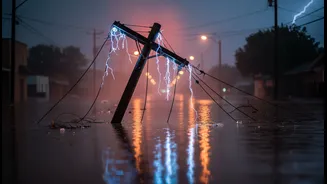
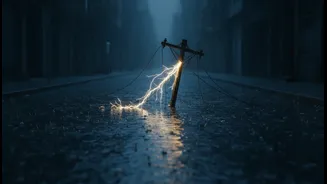
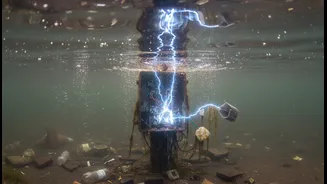
When a street turns into a river, the most immediate danger isn't just the water itself, but what’s in it. Floodwater, especially in cities, is an excellent conductor of electricity. A downed power line, a damaged underground cable, or even faulty wiring
in a submerged street-light pole can energize a large pool of standing water. You don't need to touch a live wire to be electrocuted; simply stepping into that water can be fatal. The risk is amplified by ageing urban infrastructure, where heavy rains often expose weak points in the electrical grid. Inside the home, the danger is just as real. Submerged outlets, appliances, and compromised internal wiring can turn a flooded room into a lethal trap.
A Renter's Pre-Monsoon Safety Checklist
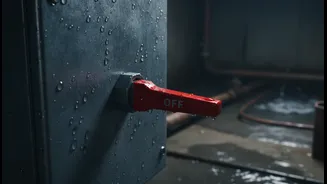
Preparation is a renter's best defence. Before the rains arrive, take proactive steps. Locate your home’s main electrical panel and know how to shut off the power. If you're unsure, ask your landlord. Discuss installing Ground Fault Circuit Interrupters (GFCIs), which automatically cut power if a fault is detected and can be a lifesaver in kitchens, bathrooms, and basements. Have a conversation with your landlord about the building's flood-readiness and any known electrical issues. Inside your flat, plan to move expensive electronics and appliances to higher ground if your area is prone to waterlogging. Keep an emergency kit with a flashlight, batteries, first-aid supplies, and important documents in a waterproof bag.
During a Flood: Immediate Safety Protocols
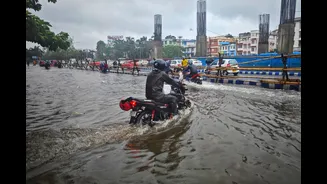
When water starts rising, your priority is to stay safe, not to save belongings. The most crucial rule is to avoid all contact with floodwater. Never walk, drive, or wade through flooded streets; it's impossible to see hazards like open manholes or submerged live wires. If water begins to enter your home, the first and most critical step is to turn off the main power at the circuit breaker, but only if you can do so safely without standing in water. If the area around your breaker box is already wet, do not touch it. Call your electricity provider and ask them to shut off power to your meter. Do not touch any electrical device while standing in water or if the appliance itself is wet.
Navigating the Aftermath
The dangers don't disappear when the water recedes. Never re-enter a flooded basement or home until you are sure it is structurally safe and the power is confirmed to be off. Do not attempt to restore power yourself. Water and silt can get inside outlets, switches, and the main panel, causing them to malfunction. It is essential to have a qualified electrician inspect your home's entire electrical system before turning the power back on. Any appliances that have been submerged, including refrigerators and washing machines, should be checked by a professional technician before being used again; they may need to be repaired or replaced.
Know Your Position as a Renter
While landlords are typically responsible for the building's structural integrity and major systems, your personal belongings are usually not covered by their insurance. Review your rental agreement to understand clauses related to natural disasters and property damage. If your home becomes uninhabitable due to flooding, you may have the right to terminate your lease or receive reduced rent, depending on local laws and your agreement. Maintain open communication with your landlord throughout the event, documenting any damage with photos and reporting urgent safety concerns, like electrical faults, immediately. It’s also wise to consider a renter's insurance policy, but be sure to check if it specifically covers flood-related damage, as many standard policies do not.