


The King's Unshakeable Throne
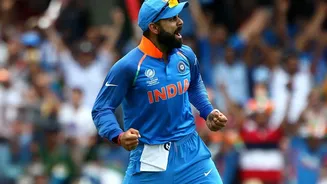
For years, a run chase for India meant one man: Virat Kohli. The very art of pursuing a target was redefined by his blend of calculated aggression and relentless consistency. The numbers are staggering and paint a picture of utter dominance. In successful
ODI run chases, Kohli has an average that soars, reflecting his ability to not just score runs, but to win matches. He has the most centuries in ODI history while batting second, a testament to his mental fortitude when the pressure is at its peak. Experts point to his method: minimising risk by turning ones into twos, turning ones into twos, manipulating the field with surgical precision, and launching a controlled assault when the moment is right. This isn't just about slogging; it's about deconstructing a target with the cold logic of a master strategist. Even his rivals, like Steve Smith, have acknowledged him as arguably the best chaser the game has ever seen.
The Prince's Electrifying Arrival
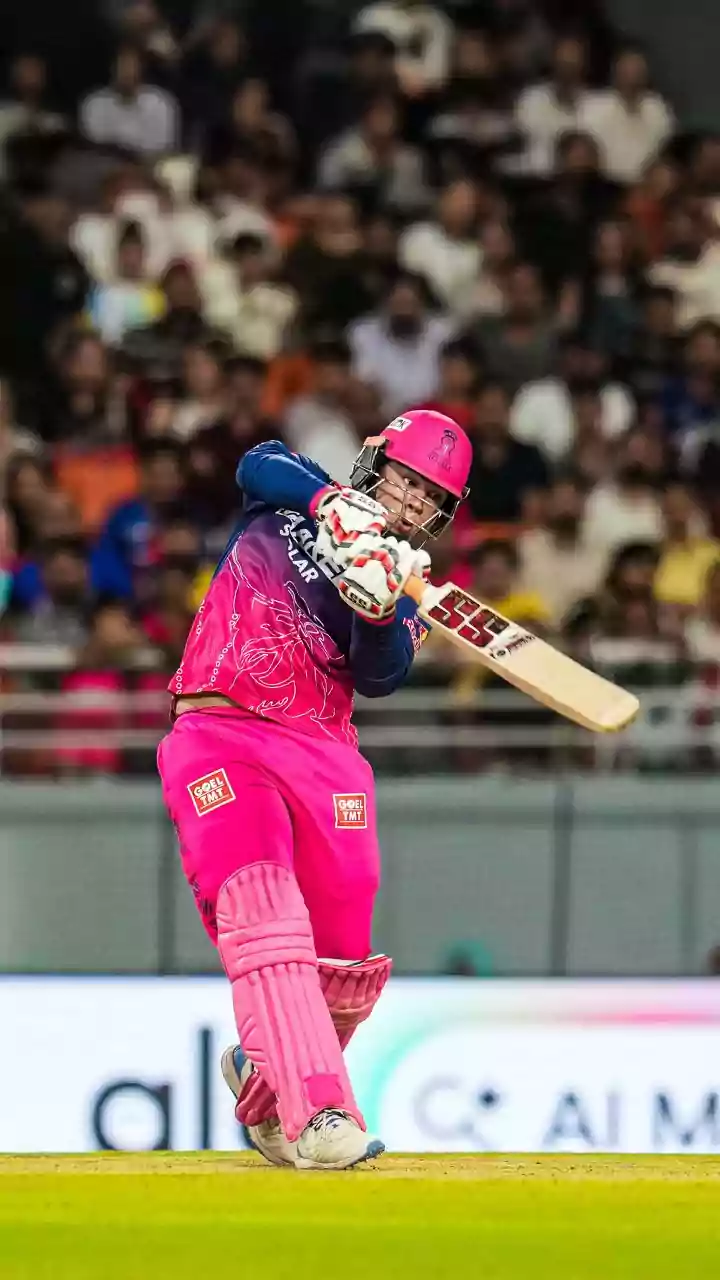
Shubman Gill hasn't just knocked on the door; he's blasted it off its hinges. From the outset of his ODI career, Gill has shown an uncanny aptitude for batting second. Statistically, his start in one-day cricket has been superior to Kohli's at the same stage, boasting a higher run tally, average, and strike rate after his first 50 and 65 games. Gill's approach is marked by an elegant fearlessness. Where Kohli grinds down opponents, Gill often dismantles them with a silken touch and proactive strokeplay, particularly in the powerplay. His numbers in winning causes are phenomenal, showcasing that like Kohli, he thrives on the responsibility of taking the team home. Experts note that Gill's role as an opener gives him the full 50 overs to shape a chase, contributing to his impressive statistics and big hundreds.
A Tale of Two Methodologies
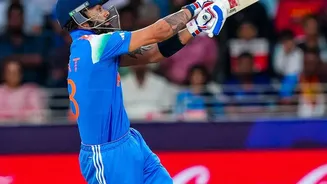
The comparison becomes fascinating when we dissect their techniques. Kohli is the master of intensity. His running between the wickets is a weapon, turning dot balls into singles and singles into twos, constantly applying pressure to the fielding side. His game is built on a classical foundation, prioritising placement and timing over unorthodox shots. He absorbs pressure, waits for the opposition to make a mistake, and then pounces. Gill, on the other hand, seems to operate with a calmer, more free-flowing rhythm. His style is less about overt aggression and more about an almost effortless command. While Kohli's fitness allows him to push his physical limits, Gill's technique allows him to score at a brisk pace without appearing to take risks. The result is often the same—a dismantled target—but the journey there feels distinctly different.
The Verdict and The Future
So, is Gill the new chase master? It's a question of legacy versus trajectory. Kohli's body of work is monumental, built over a decade and a half of unparalleled consistency under immense pressure. He has set a benchmark that few, if any, may ever reach. His 26 centuries in ODI chases alone place him in a league of his own. Gill, however, is on an astonishing upward curve. His early career numbers suggest he has the talent, temperament, and technical skill required to build his own legendary status. The debate isn't about who is better right now, but about whether Gill can sustain this phenomenal start and convert it into the same kind of long-term, match-winning dominance that defined Kohli's reign. He isn't a replacement for Kohli, but a successor with his own unique brand of genius. The 'chase master' crown may not have been passed on yet, but a worthy contender has certainly emerged.