







More Than Just Plastic Money
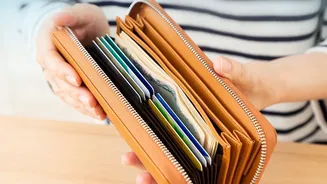
At its core, credit is simple: it’s a tool that lets you borrow money with the promise to pay it back later, usually with interest. When you swipe a credit card or take out a personal loan, a bank or a non-banking financial company (NBFC) is trusting
you to repay that amount. This trust is measured by your credit score. In India, this is commonly known as the CIBIL score, though other bureaus like Experian and CRIF High Mark also calculate it. This three-digit number, typically ranging from 300 to 900, acts as your financial report card, telling lenders how reliable you are with money. A high score signals that you are a responsible borrower, while a low score can raise red flags.
Your Financial Report Card
Why should you care about a number? Because a good credit score (generally 750 or higher) is your golden ticket to better financial products in the future. When you need a bigger loan for a car, a home, or higher education, lenders will first look at your score. A strong score can unlock lower interest rates and faster loan approvals, saving you a significant amount of money over time. On the other hand, a poor score can lead to loan rejections or much higher interest rates because lenders see you as a higher risk. Your score is influenced by several factors: your history of paying bills on time, how much of your available credit limit you use (known as credit utilisation), and the types of loans you have.
Navigating Your First Credit Card
A credit card is often a young person's first experience with credit. Used wisely, it offers convenience, rewards, and helps build a positive credit history. However, it's also where many make their first mistakes. The most common trap is paying only the 'minimum amount due'. While this keeps your account active, the remaining balance accumulates interest at very high annual rates, often between 36% and 48%, quickly spiralling into a debt trap. Another mistake is using too much of your credit limit. Experts recommend keeping your credit utilisation ratio below 30% to maintain a healthy score. Always aim to pay your full balance before the due date, and treat your credit limit as a ceiling, not a target.
Decoding Personal and Other Loans
Beyond credit cards, you might encounter personal loans, vehicle loans, or education loans. These are structured differently, with a fixed amount borrowed over a specific period (tenure). The key is to understand the Annual Percentage Rate (APR), which is the total cost of borrowing, including interest and fees. Personal loan interest rates in India can vary widely, often starting around 10% per annum but can go much higher depending on your income, employment stability, and credit score. Before signing any loan agreement, it is crucial to read the terms and conditions carefully. Understand the EMI (Equated Monthly Instalment) you will have to pay and ensure it fits comfortably within your budget. Missing even a single EMI can negatively impact your credit score.
The Debt Traps To Sidestep
Financial literacy is your best defence against debt. Some of the most frequent mistakes young Indians make include applying for too many cards or loans at once, which can lower your credit score; using credit cards for cash withdrawals, which attract steep fees and immediate interest; and ignoring monthly statements, which can cause you to miss fraudulent charges or fee changes. Another trap is closing an old credit card, as this can shorten your credit history and potentially lower your score. The foundation of good credit management is simple: spend within your means, pay your bills on time, and regularly review your financial standing. Building these habits early ensures that credit remains a useful tool, not a burden.