
Why Cooking at Home Matters
Before diving into the 'how', it's helpful to remember the 'why'. Cooking at home gives you complete control over your ingredients. You decide the amount of oil, salt, and sugar, which is crucial for long-term health. Studies have shown that people who
regularly cook at home tend to consume fewer calories and have a healthier overall diet compared to those who frequently eat out or rely on packaged foods. Beyond nutrition, preparing your own meals can be a mindful practice that reduces stress and connects you to what you eat. It also saves a significant amount of money, a benefit that adds up quickly when you cut back on expensive takeaway and convenience meals.
Redefine 'Manageable' Cooking
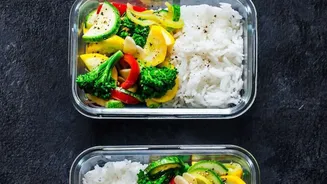
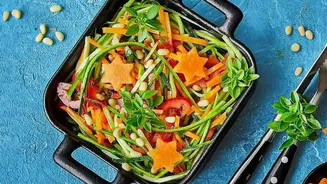
One of the biggest hurdles to home cooking is the pressure to be perfect. A manageable home-cooked meal is not a gourmet three-course dinner. It can be as simple as dal, rice, and a quick vegetable stir-fry. Let go of the idea that every meal has to be elaborate. The goal is nourishment and consistency, not culinary awards. Start by mastering a few simple, go-to recipes that you can prepare with minimal effort. Embrace shortcuts like using pre-chopped vegetables or good-quality frozen produce, which are just as nutritious and save valuable prep time. The aim is to create a routine that feels supportive, not stressful.
The Power of a Simple Plan
Decision fatigue is a real barrier to cooking. Staring into the fridge at 7 PM wondering what to make is often what leads to ordering in. The solution is planning ahead, but even that can feel overwhelming. So, start small. Instead of planning a full week, just plan the next two or three days. Write down what you'll have for dinner and list the ingredients you need. Check your pantry first to see what you already have, then create a focused shopping list. This simple act eliminates the daily guesswork and ensures you have everything on hand, making the cooking process much smoother.
Your Weekend Prep Session
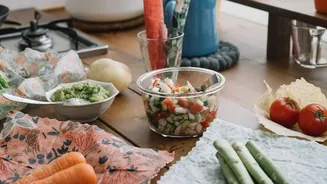
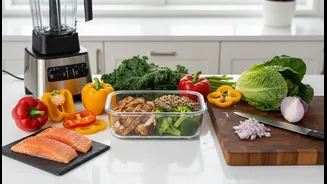
A little preparation can radically change your week. Dedicate just one or two hours over the weekend to what chefs call 'mise en place'—getting your ingredients ready. This could involve chopping onions, tomatoes, and other base vegetables for your sabzis. You can prepare ginger-garlic paste, boil a large batch of potatoes or dal, and cook a versatile grain like quinoa or brown rice. These prepped components can then be mixed and matched throughout the week to create different meals in minutes. This batch-prepping approach is ideal for those who want variety without having to start from scratch every single day.
Stock a Smart Indian Pantry
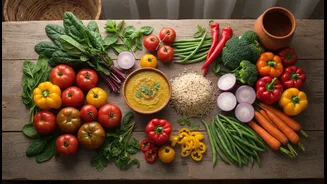
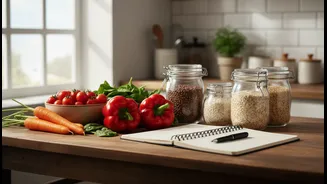
A well-stocked pantry is your best defence against last-minute takeout. When you have the basics on hand, you can always pull together a simple, satisfying meal. Focus on versatile staples of Indian cooking. This includes a variety of lentils and legumes (like toor, moong, and chana), grains (rice, atta, millets), and basic spices (turmeric, cumin, coriander, and garam masala). Keep long-lasting vegetables like onions, potatoes, and garlic in stock. Canned tomatoes and frozen peas are also excellent to have. With these ingredients, a comforting meal like dal-chawal or a simple vegetable pulao is never more than 30 minutes away.