




Why Twist in the First Place?
Standing torso twists are more than just a simple warm-up move. When done correctly, they are a powerful tool for building a strong, functional core. The primary muscles targeted are your obliques, the muscles along the sides of your abdomen that are crucial
for rotational movements, stabilizing your spine, and maintaining good posture. A strong core, including well-conditioned obliques, helps reduce the risk of back pain by supporting the spine. This exercise also enhances spinal mobility, particularly in the thoracic (mid-back) region, which can become stiff from prolonged sitting. Improved mobility and strength translate to better performance in sports that require rotational power, like golf or tennis, and greater ease in everyday activities.
Common Mistakes to Avoid
The main reason people experience discomfort during torso twists is improper form. The most common error is using momentum instead of muscle control, essentially throwing the upper body from side to side. This not only reduces the exercise's effectiveness but also puts undue stress on the lower back. Another frequent mistake is twisting from the lower back instead of the mid-back. The lumbar spine has a very limited capacity for rotation, only about 5-10 degrees, while the thoracic spine can rotate up to 35 degrees. Forcing the twist from your lower back can lead to strain. Also, many people mistakenly keep their hips and feet locked in place, which can cause shearing forces on the spine. The goal is to rotate the torso, not to torque the knees or strain the lumbar region.
How to Perform a Safer Twist
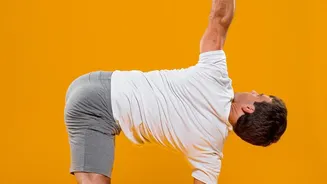
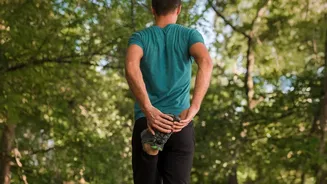
To execute a safe and effective standing torso twist, focus on control over speed and range of motion. Stand with your feet shoulder-width apart and your knees slightly bent. This stance provides a stable base. Engage your core by gently bracing your abdominal muscles, as if preparing for a light punch to the stomach. Raise your arms, either crossing them over your chest or bending them at a 90-degree angle at shoulder height. Begin the movement by slowly rotating your torso to one side. Crucially, allow your opposite foot and hip to pivot naturally in the direction of the twist. For example, as you twist to the right, your left heel will lift slightly and your hips will turn with your torso. This synchronised movement prevents the dangerous torque on your lower back. The rotation should come from your mid-section, not from swinging your arms.
Adjusting Your Range for Comfort
The key to comfort is to respect your body's limits. Never force a twist beyond what feels comfortable. A common misconception is that a wider range of motion equals a better workout, but this is untrue, especially with spinal rotation. Pain is a signal to stop and reassess. Start with a very small range of motion, perhaps just a few degrees to each side. Focus on the feeling of your oblique muscles engaging to initiate the turn. As you warm up, you might find your range naturally increases, but it should always remain pain-free. If you feel any pinching or sharp pain in your back, reduce the rotation immediately. The goal is a gentle stretch and controlled muscular contraction, not an extreme contortion.
Helpful Modifications
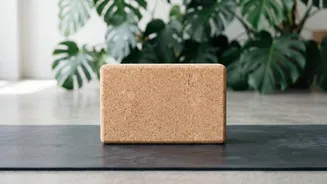
If you have back concerns, are new to the exercise, or simply find the standing version uncomfortable, there are excellent modifications. A seated spinal twist, performed on a chair, provides more stability for the lower body and helps isolate the upper torso's rotation. When seated, you can focus purely on turning your upper back without worrying about your hips or legs. Another option is to perform the twist very slowly, holding the mildest stretch for a few breaths before returning to the centre. Using a prop like a yoga block between your thighs while twisting can also help you become more aware of keeping your lower body stable and preventing your knees from moving improperly. The principle remains the same: listen to your body and adapt the movement to fit your needs.