








The Magic of 'Decision Friction'
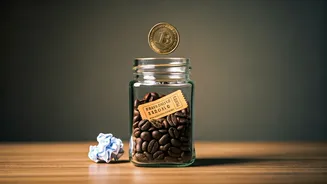
The secret weapon against impulse spending is a concept called 'decision friction.' It’s the simple act of creating a mandatory waiting period between the urge to buy something and the moment you actually click 'confirm purchase.' Think of it as a speed
bump for your wallet. In a world designed for one-click checkouts and instant gratification, adding a deliberate delay—even a tiny one—can feel revolutionary. It’s not about telling yourself 'no.' It’s about giving yourself time to ask, 'Do I really want this?' When you’re caught in the heat of the moment, your brain is chasing a dopamine hit. The excitement of the new, the thrill of the deal, the satisfaction of solving a perceived problem right now—it all overrides rational thought. By stepping away, you allow that emotional wave to recede, letting your more logical, long-term thinking self come back to the driver’s seat.
Why Your Brain Loves to Buy Now
To understand why this delay is so effective, you have to know what you’re up against. Our brains are wired with something called 'present bias,' a tendency to overvalue immediate rewards at the expense of future ones. That $50 pair of sneakers *today* feels much more tangible and exciting than the $50 it could represent in your retirement account in 30 years. Marketing is designed to exploit this. 'Limited time offer!' and 'Only 2 left in stock!' are tactics that create a sense of urgency, short-circuiting your brain’s ability to think clearly. An impulse purchase is rarely about the item itself; it’s about the feeling you get when you acquire it. The delay works by separating the feeling from the transaction. When you wait, the immediate emotional reward fades, and you’re left to evaluate the product on its actual merit and its impact on your financial goals.
How to Build Your Delay System
A one-size-fits-all delay doesn’t work, because the temptation of a $5 coffee is different from a $1,500 laptop. The trick is to create a tiered system that matches the delay to the financial impact. * **The 10-Minute Rule (for small temptations):** See a fancy coffee, a pastry, or a cheap gadget in the checkout line? Before you grab it, just wait 10 minutes. Walk to the other side of the store, take a lap around the block, or even just scroll on your phone. More often than not, the urge will completely dissolve once you’re removed from the trigger. * **The 24-Hour Rule (for most online shopping):** This is the gold standard for taming your Amazon habit. When you fill an online cart, don’t check out. Just close the tab. If you still genuinely want and need everything in it 24 hours later, then you can proceed. You’ll be shocked at how many 'must-have' items feel completely unnecessary the next day. * **The 30-Day Rule (for major purchases):** For any non-essential purchase over a certain threshold—say, $100 or $200—write it down on a list. Date it, and give yourself a full 30 days. At the end of the month, revisit the item. This extended period helps you research alternatives, confirm you can afford it without debt, and truly decide if it aligns with your long-term goals rather than a fleeting whim.
What to Ask During the Pause
The waiting period isn't just about passively biding your time; it's an opportunity for active reflection. When an item is sitting in your cart or on your 30-day list, ask yourself a few critical questions. Is this a genuine 'need' or an 'in-the-moment want'? Where will I store it? Do I already own something similar that serves the same purpose? How many hours of work did it take to earn the money for this item? Answering these questions shifts your perspective from that of a consumer to that of a financial manager. It forces you to see the purchase not as an isolated event, but as part of the larger ecosystem of your financial life. This simple interrogation can be the difference between a purchase that brings you lasting value and one that just adds to the clutter and drains your account.