





Understanding Post-Workout Pain
That familiar muscle soreness you feel a day or two after an intense or new workout has a name: Delayed Onset Muscle Soreness, or DOMS. It’s the result of microscopic damage to your muscle fibers during strenuous activity. This micro-trauma triggers an inflammatory
response and oxidative stress in the body, which leads to pain, stiffness, and a temporary reduction in muscle strength. While this process is a normal part of muscle adaptation and growth, finding ways to manage the inflammation and oxidative stress can significantly speed up recovery, reduce discomfort, and get you back to your training schedule faster. For years, athletes have looked for ways to mitigate these effects, and attention is increasingly turning toward natural, food-based solutions.
Nature's Anti-Inflammatory Powerhouse
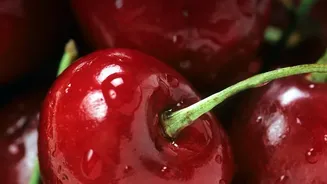
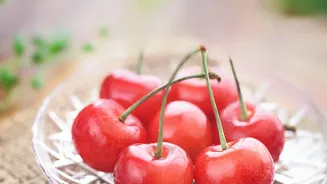
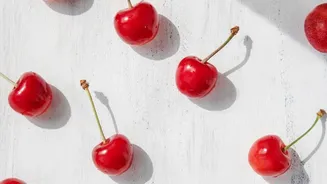
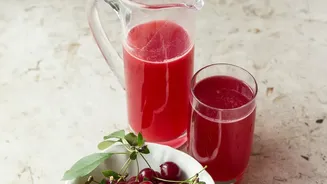
Tart cherries, particularly the Montmorency variety, are packed with powerful plant compounds called anthocyanins. These are the antioxidants that give the fruit its deep, rich red color. Research suggests these anthocyanins have potent anti-inflammatory and antioxidant properties. They appear to work by helping to inhibit certain enzymes involved in the body's inflammatory cascade, similar to how some pain-relief medications function, but in a natural form. By combating the exercise-induced oxidative stress and inflammation at a cellular level, these compounds can help protect muscles from a portion of the secondary damage that contributes to soreness and weakness.
Faster Strength Recovery and Less Soreness
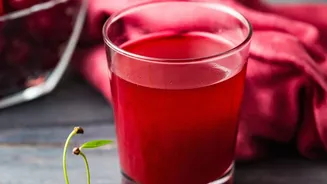
Multiple studies have put tart cherry juice to the test with promising results for athletes. Research on marathon and relay runners found that those who consumed tart cherry juice in the days leading up to and after their event reported significantly less muscle pain compared to those who had a placebo. Beyond just the perception of pain, objective measures also show a benefit. Studies have demonstrated that athletes who supplement with tart cherry juice experience a faster recovery of muscle strength and function after strenuous exercise. One meta-analysis noted that tart cherry juice consumption accelerated strength recovery in the 24 to 72 hours following muscle-damaging exercise. This means you don't just feel better, your muscles are quantifiably stronger and ready to perform again sooner.
The Underrated Role of Sleep in Recovery
Muscle repair doesn't just happen on its own; it requires deep, restorative sleep. This is where tart cherry juice offers a compelling two-for-one benefit. Tart cherries are one of the few natural food sources of melatonin, the hormone that regulates our sleep-wake cycle. They also contain tryptophan, an amino acid that the body uses to produce its own melatonin. Several small studies have shown that drinking tart cherry juice can lead to increased melatonin levels, longer total sleep time, and better sleep efficiency—the percentage of time you’re actually asleep while in bed. One study in older adults with insomnia even found it increased sleep time by an average of 84 minutes per night. Better sleep quality directly translates to better muscle recovery, creating a positive feedback loop for athletes.
How to Incorporate It Into Your Routine
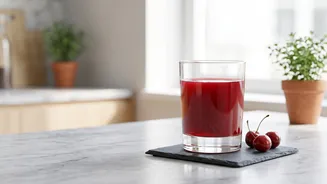
To reap the benefits, consistency and timing are key. Most research protocols involve consuming tart cherry juice for several days before a major event and for a couple of days after. A common dosage used in studies is the equivalent of two 240 ml servings of juice or one to two tablespoons (30 ml) of a juice concentrate twice a day. For general recovery, you can take one serving in the morning and another within an hour or two of bed to also support sleep. If your main goal is sleep, having a serving in the evening is most effective. Look for 100% tart cherry juice or concentrate without added sugars to maximize the health benefits and avoid unnecessary calories. While juice and concentrate are most studied, capsules are also available.