


The Unsung Superfoods in Your Kitchen
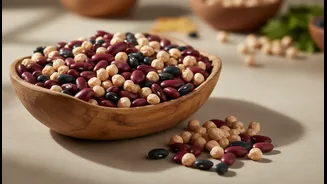
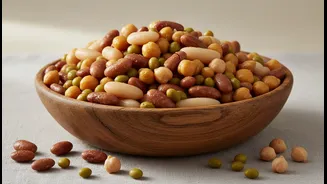
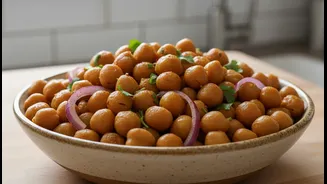
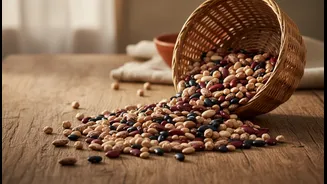
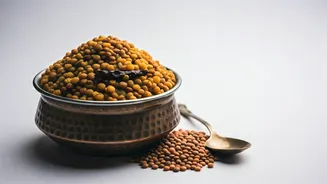
We often look for health in expensive, imported powders and exotic vegetables, but the truth is, some of the most powerful nutritional assets are already sitting on our shelves. For generations, dishes made from rajma (kidney beans) and chana (chickpeas)
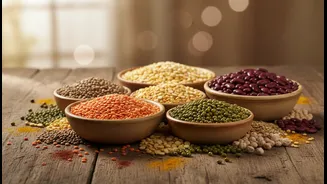
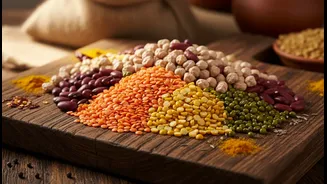
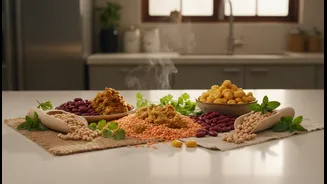
have been central to Indian diets. Far from being just simple, filling fare, these pulses are nutritional giants. They are reliable, versatile, and, most importantly, packed with the goodness our bodies need to thrive. In a world chasing the next 'superfood,' it's time to appreciate the consistent, affordable, and powerful benefits of the staples we’ve always known.
A Powerhouse of Protein and Fibre
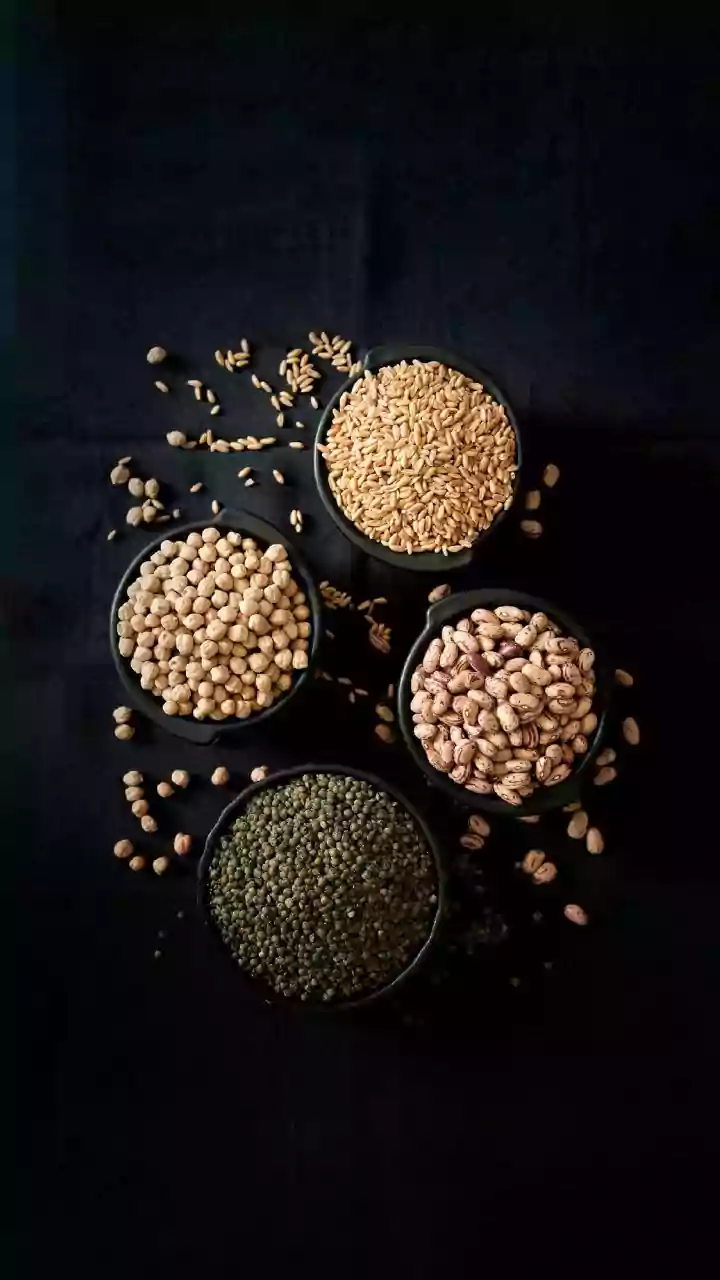
The primary claim to fame for beans and chana is their exceptional protein content. For vegetarian and vegan diets, they are a cornerstone for muscle repair and growth. A 100-gram serving of uncooked kidney beans contains around 24 grams of protein, while the same amount of chickpeas offers about 20 grams. This makes them fantastic alternatives to meat and paneer. But the benefits don't stop at protein. They are also incredibly rich in dietary fibre. A single cup of cooked kidney beans can provide a significant portion of your daily fibre needs, which aids digestion, promotes gut health, and creates a feeling of fullness, helping to manage weight. This combination of protein and fibre also gives them a low glycemic index, meaning they release energy slowly and help keep blood sugar levels stable.
More Than Just Macros: A Mineral Boost
Beyond the big-ticket items of protein and fibre, beans and chana are treasure troves of essential micronutrients. Kidney beans are particularly rich in iron, potassium, magnesium, and phosphorus. Chickpeas are champions of manganese and folate, a crucial B-vitamin vital for cell repair and overall health. Iron is essential for preventing anaemia and maintaining energy levels, while potassium helps regulate blood pressure, contributing to better heart health. Getting these minerals from a natural, whole-food source is far more effective than relying on supplements alone. Pairing them with a source of vitamin C, like a squeeze of lemon or some tomatoes, can even enhance the body's absorption of the plant-based iron.
Your Wallet’s Best Friend
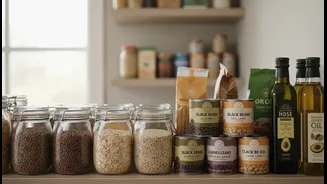
Let's talk about the 'budget-friendly' aspect, which is more important than ever for Indian households. As of July 2026, the market price for chana hovers around ₹60-70 per kg in many markets, though prices can fluctuate. Even with recent surges, the cost per gram of protein from pulses remains significantly lower than most other sources. Compared to chicken, which can cost several hundred rupees per kilogram, or paneer, which is also a pricier option, dals and beans provide incredible nutritional value for a fraction of the cost. This affordability allows families to secure high-quality, plant-based protein without straining their budgets. Bulk buying of dried beans and chana further reduces costs and packaging waste, making them a sustainable choice for both your finances and the environment.
Beyond Rajma Chawal and Chana Masala
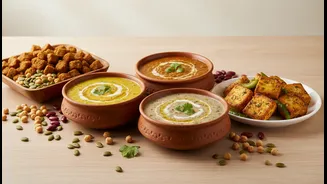
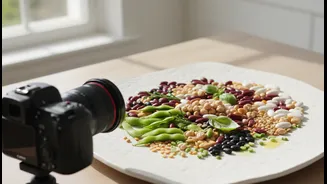
While we all love our classic comfort dishes, the versatility of beans and chana is often underestimated. They are culinary chameleons that can be adapted to countless meals. Sprouted moong or black chana can be tossed into a vibrant salad for a crunchy, nutrient-dense lunch. Boiled chickpeas can be mashed with spices to create homemade hummus or blended into patties for veggie burgers. Rajma can be used in hearty soups, stews, and even savoury pulaos. Roasting chickpeas with a sprinkle of spices turns them into a crispy, addictive, and healthy snack. By exploring different preparations, you can easily incorporate these nutritional heroes into your diet multiple times a week without getting bored.