
India's Next Interplanetary Leap
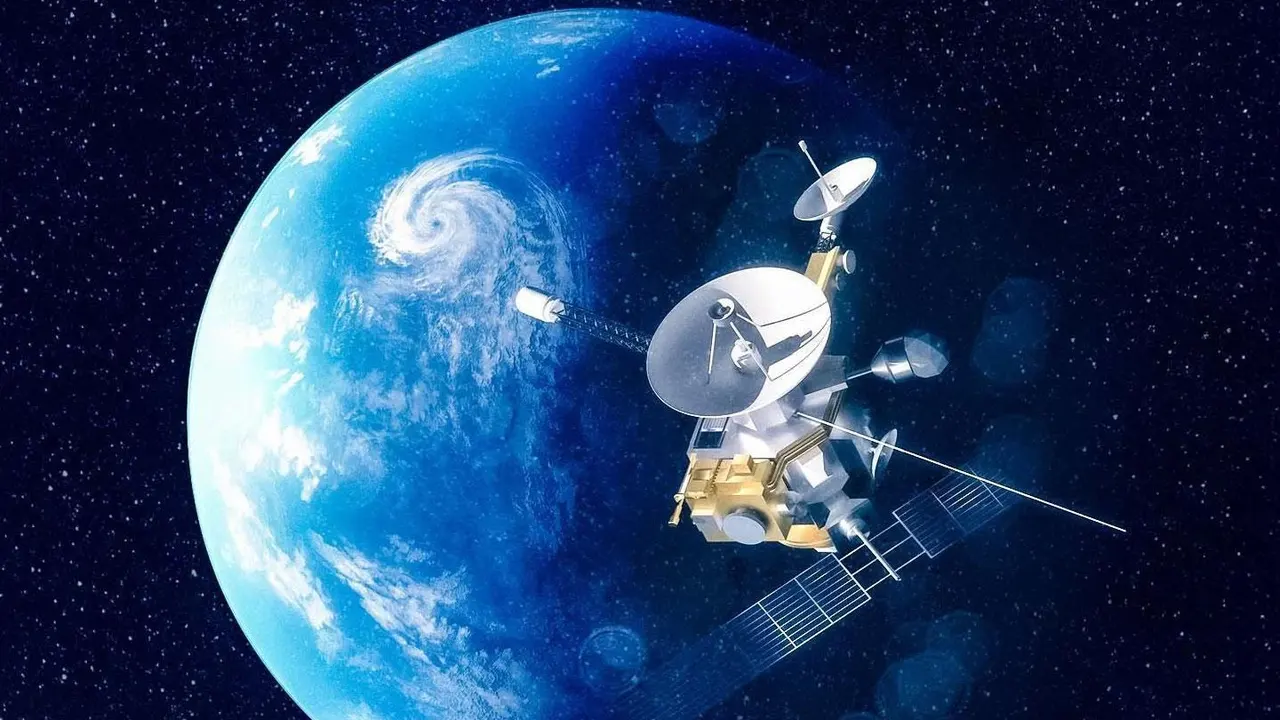
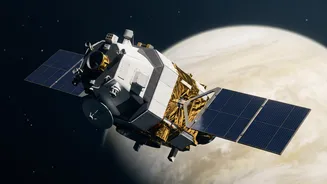
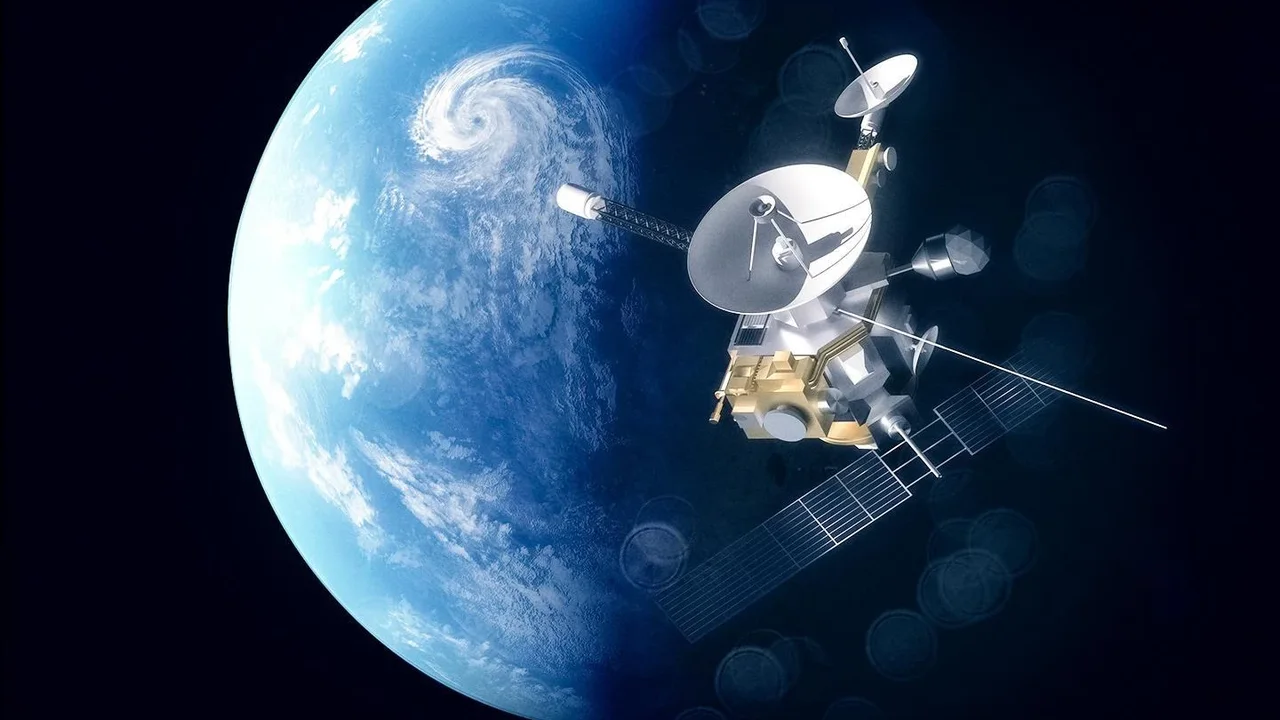
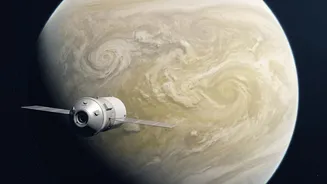
Following the historic successes of its missions to the Moon and Mars, the Indian Space Research Organisation (ISRO) is setting its sights on Venus. The Shukrayaan-1 orbiter, officially approved in September 2024, is India's first dedicated mission to our
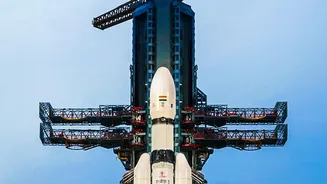
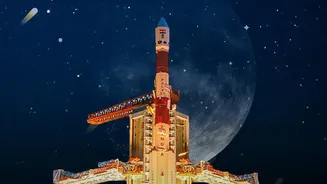
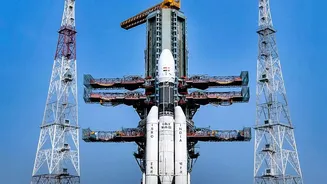
nearest planetary neighbour. Scheduled for a March 2028 launch aboard the powerful LVM-3 rocket, the spacecraft will embark on a 112-day journey to enter a large elliptical orbit around Venus. This mission represents a significant step in India’s space exploration programme, moving from probing nearby bodies to tackling the complex mysteries of a planet that, despite its similarities to Earth, followed a dramatically different evolutionary path.
A Tale of Two Planets
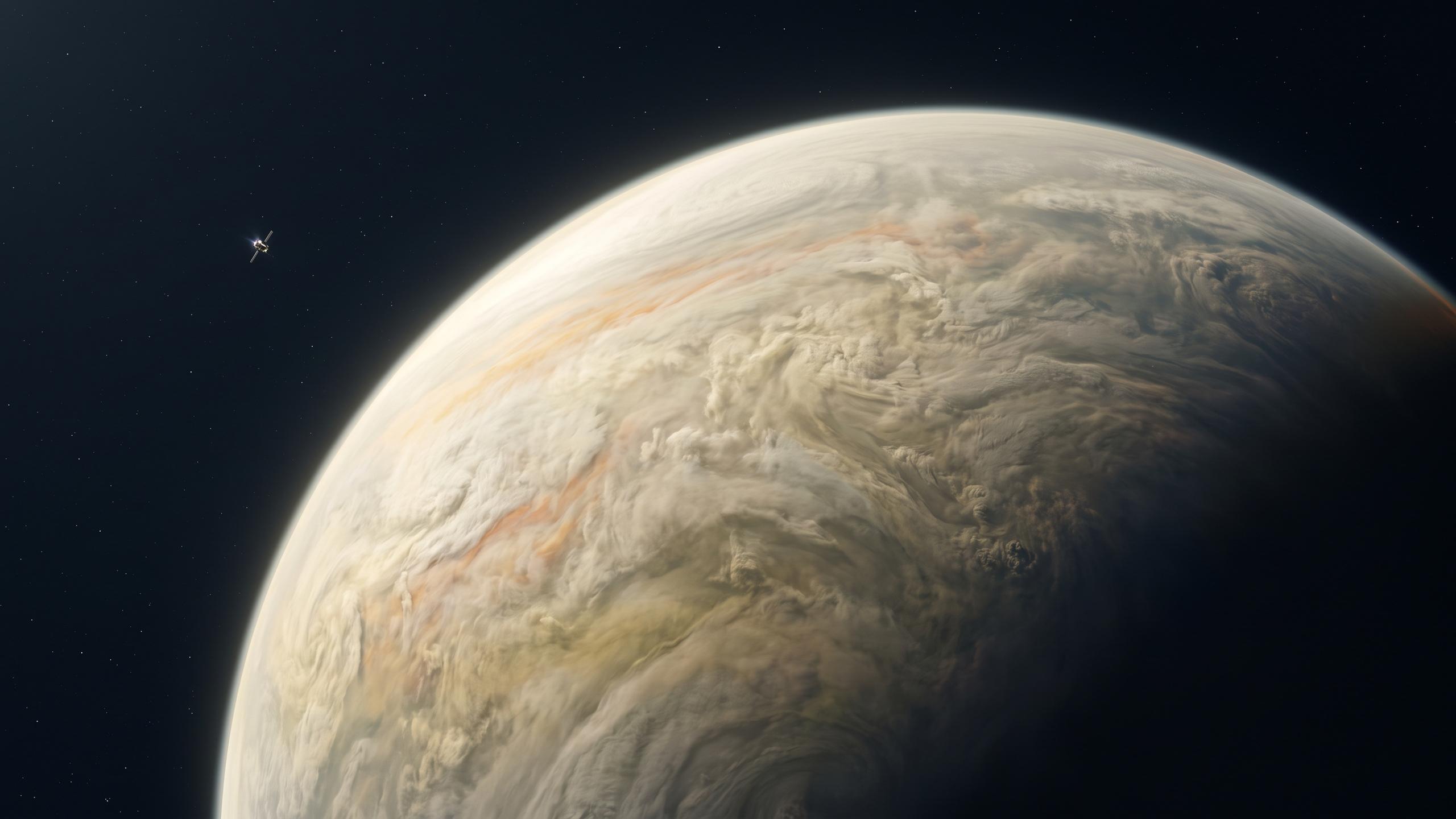
Venus is a cautionary tale. It is similar in size and mass to Earth, leading scientists to label it our "twin". Yet, it is the most hostile planet in the solar system. Its atmosphere is over 90 times denser than Earth's and composed of 96% carbon dioxide, which has triggered a runaway greenhouse effect, pushing surface temperatures to over 460°C. Billions of years ago, Venus may have had liquid water oceans, much like early Earth. Understanding what caused Venus to diverge so catastrophically is a primary goal for planetary science, as it provides crucial data for modelling Earth's own climate and long-term habitability. The clues to this divergence are locked away in the chemistry of its atmosphere.
The Puzzles in the Poisonous Clouds
While the Venusian surface is inhospitable, its upper cloud deck, around 50-60 km high, features more Earth-like temperatures and pressures. This region is the mission's prime focus, as it contains several long-standing scientific mysteries. For decades, scientists have been baffled by an "unknown absorber," a substance in the clouds that soaks up huge amounts of ultraviolet and blue light, creating dark patches visible in UV images. Candidates range from iron-sulphur compounds to other complex chemicals, but its identity remains unconfirmed. Furthermore, the controversial detection of phosphine gas in 2020 ignited debate, as on Earth, this gas is primarily associated with biological processes. Shukrayaan will investigate these chemical signatures to understand the complex cycles at play.
ISRO's Toolkit for an Alien Atmosphere
To unravel these atmospheric riddles, Shukrayaan will carry a payload of around 100 kg, comprising about 19 scientific instruments from India and international partners, including Russia, France, Sweden, and Germany. Several instruments are specifically designed to analyse cloud chemistry. A key payload is the Venus Infrared Atmospheric Gases Linker (VIRAL), designed to study atmospheric composition via spectroscopy. Another, the Solar Occultation Photometry (SPAV), will measure how sunlight filters through the atmosphere to determine the distribution of different gases and aerosols. These tools will work in concert to create a comprehensive chemical map of the Venusian clouds and search for trace gases that could solve these long-standing puzzles.
More Than Just a Weather Report
While the atmospheric chemistry is a primary focus, it is not the only objective. The mission will connect what's happening in the clouds with the planet below. Shukrayaan’s flagship instrument is a high-resolution Synthetic Aperture Radar (SAR), which can peer through the dense cloud cover to map the surface with a resolution far exceeding that of NASA's 1990s Magellan mission. The orbiter will also carry the world's first ground-penetrating radar to operate at Venus, allowing it to study the shallow sub-surface. By linking atmospheric data to signs of volcanism or other geological activity on the surface, scientists hope to build a complete picture of Venus as a dynamic system and finally understand how Earth's twin became its hellish counterpart.