


What Makes A2 Ghee Different?
Before we dive into the khichdi pot, let's clarify what makes A2 ghee special. The key difference lies in the source: A2 ghee is made from the milk of indigenous Indian cow breeds like Gir and Sahiwal. This milk contains only the A2 type of beta-casein
protein, which many people find easier to digest compared to the A1 protein found in milk from most hybrid commercial cows. Beyond the protein, authentic A2 ghee is often prepared using the traditional 'Bilona' method. This age-old process involves culturing the milk into curd, churning the curd to separate butter (makhan), and then slowly simmering the butter to produce ghee. This slow, deliberate method helps preserve nutrients, aroma, and flavour that can be lost in industrial production.
The Flavour and Aroma Upgrade
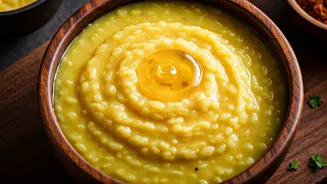
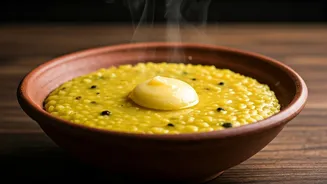
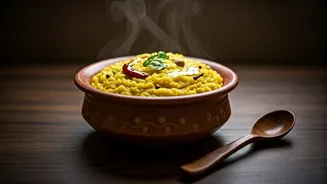
The first and most noticeable upgrade to your khichdi will be its taste and aroma. A2 ghee, especially when made via the Bilona method, has a distinctly rich, nutty flavour and a more pronounced aroma than regular ghee. When you use it to prepare the 'tadka' (tempering), this ghee doesn't just fry the spices; it blooms them, unlocking a deeper layer of complexity. Its high smoke point (around 250°C) means it won't break down into harmful free radicals at high cooking temperatures, making it perfect for sautéing onions, ginger, and cumin seeds until they release their full fragrance. A final dollop stirred into the finished khichdi melts into the warm dal and rice, coating each grain and lending a silky texture and a comforting, wholesome aroma that defines a truly great bowl of khichdi.
More Than Taste: The Wellness Angle
Dal khichdi is already celebrated as a nourishing, easy-to-digest meal. Using A2 ghee enhances these qualities. It is rich in butyric acid, a short-chain fatty acid that serves as fuel for the cells lining your colon and supports overall gut health. This can make an already gut-friendly dish even more soothing. A2 ghee is also a good source of fat-soluble vitamins like A, D, E, and K, which are crucial for immunity, bone health, and skin vitality. Since these vitamins are best absorbed in the presence of fat, adding A2 ghee to your khichdi not only enhances flavour but also helps your body better absorb nutrients from the entire meal.
How to Perfectly Infuse Your Khichdi
To get the most out of your A2 ghee, think beyond just a final garnish. Use it in three key stages of cooking your dal khichdi. First, add a teaspoon of A2 ghee to the pressure cooker along with your rinsed rice and dal. This helps prevent sticking and starts infusing a rich flavour right from the beginning. Second, prepare your tadka exclusively with A2 ghee. Heat a few tablespoons in a small pan and let the cumin seeds, asafoetida (hing), and other spices sizzle and release their essential oils into the fragrant fat. This is where the magic happens. Finally, the most crucial step: pour this sizzling tadka over your cooked khichdi and serve with an optional extra dollop on top for good measure. This finishing touch adds layers of texture and an aroma that is simply irresistible.
Choosing the Right A2 Ghee
With its rising popularity, the market is full of options. To ensure you're getting the real deal, look for a few key indicators on the label. A trustworthy brand will transparently mention the cow breed (e.g., "Gir Cow Ghee") and the preparation method ("Bilona Method" or "Curd-Churned"). Authentic A2 ghee often has a slightly granular ('danedar') texture, a golden hue, and a rich, nutty aroma. While it comes at a premium price compared to regular ghee, the concentration of flavour means a little goes a long way, making it a worthwhile investment for elevating your most beloved comfort foods.