
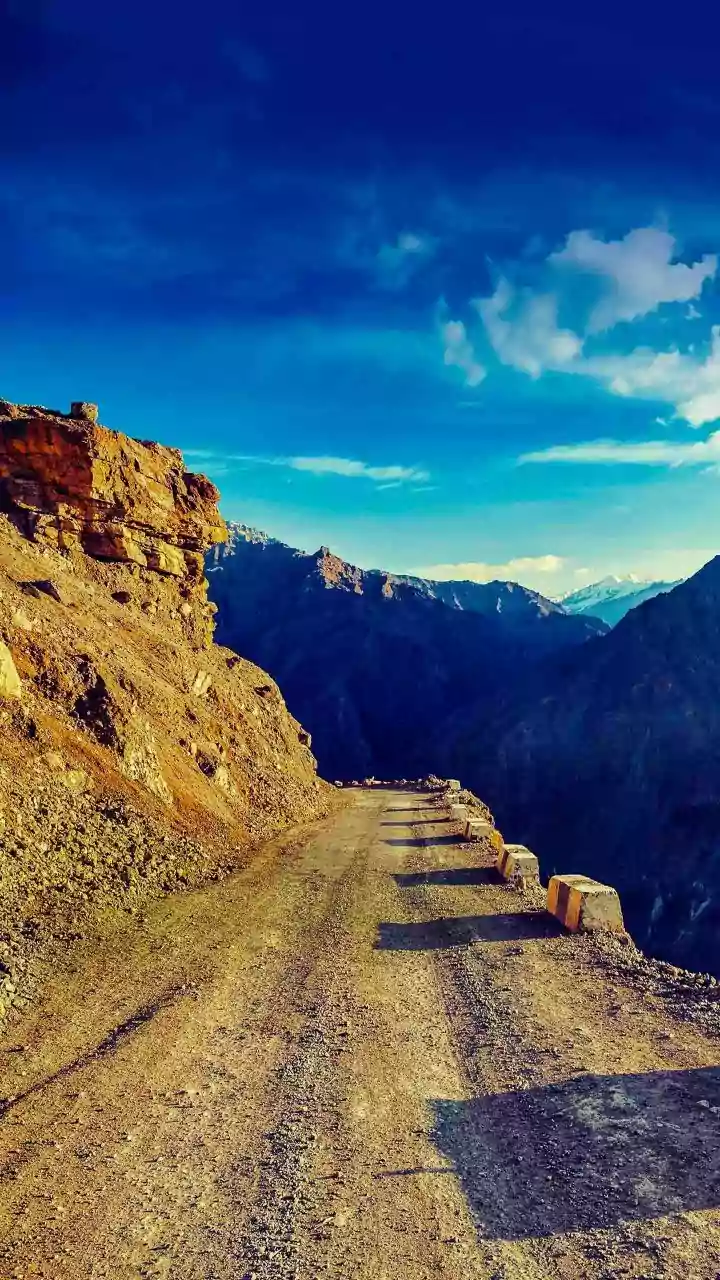



Get Your Vehicle Hill-Ready
Before you even think of hitting the ghat roads, a thorough vehicle check is non-negotiable. Start with your tyres; they are your primary connection to the slippery, unpredictable tarmac. Ensure they have adequate tread depth, with a minimum of 3mm being
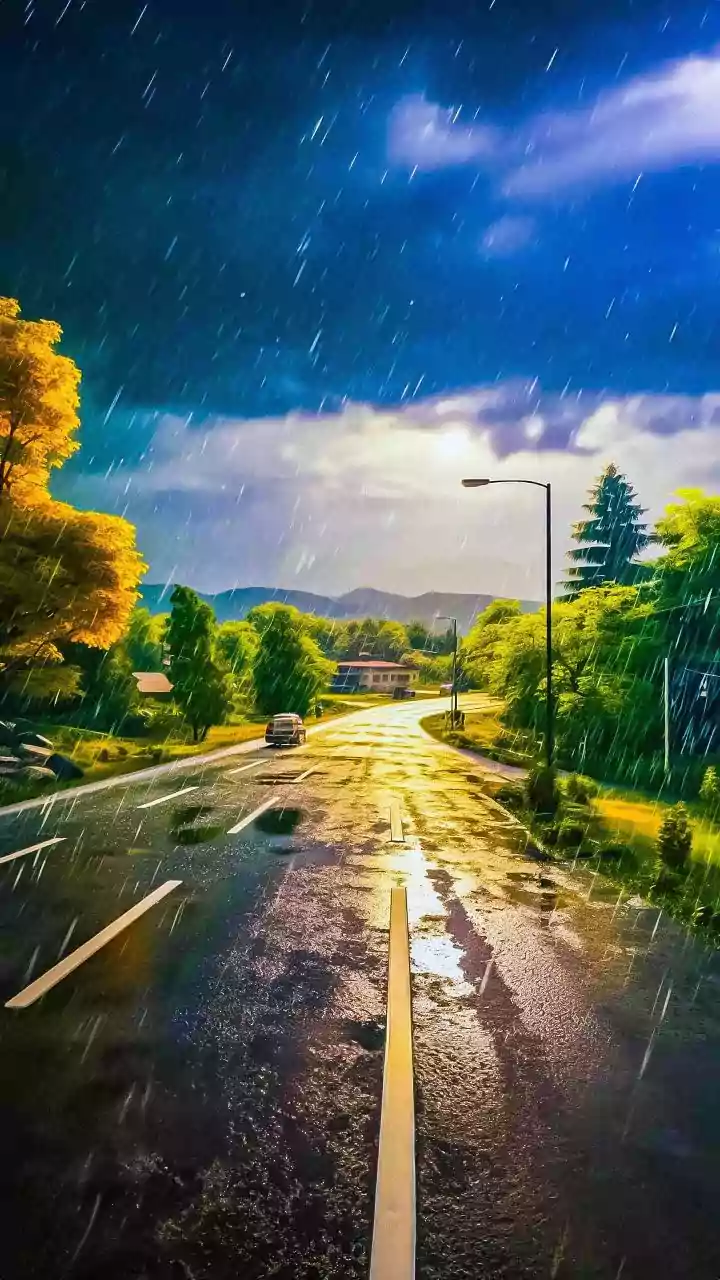
a good benchmark for wet conditions. Also, check the tyre pressure, including the spare. Brakes are your next critical checkpoint. Post-monsoon roads can increase your vehicle's stopping distance, so your brake system must be in optimal condition. Finally, inspect your wiper blades and top up the washer fluid. Clear visibility is crucial when navigating misty inclines and sudden downpours. Don't forget to test all lights—headlights, fog lamps, and indicators—as they are essential for being seen in low-light conditions.
Research Your Route Diligently
Post-monsoon travel means your usual route might be compromised. The period following heavy rains is notorious for landslides, rockfalls, and washed-out road sections. Areas in states like Himachal Pradesh and Uttarakhand are particularly vulnerable. Before you leave, check for real-time updates on road conditions. The National Highways Authority of India (NHAI) helpline (1033) is a valuable resource. Additionally, new mobile apps and portals like 'Bhooskhalan' and 'Bhusanket' launched by the Geological Survey of India (GSI) provide early warnings for landslides in certain districts. Plan your drive strictly during daylight hours, ideally between 7:00 AM and 5:00 PM, as visibility drops dramatically after dark, making it impossible to spot hazards like mudflows or boulders on the road. Always have a backup route in mind and download offline maps, as mobile connectivity can be unreliable in deep valleys.
Master Safe Hill Driving Techniques
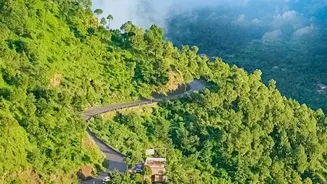
Driving in the hills post-monsoon demands a different mindset. Firstly, slow down. Wet roads, loose gravel, and hidden potholes make high speeds incredibly dangerous. Maintain a greater distance from the vehicle in front of you to allow for longer braking distances. One of the most important rules of hill driving is to give way to traffic moving uphill. When descending steep slopes, rely on engine braking by using lower gears instead of constantly riding the brakes, which can cause them to overheat and fail. Be extra cautious on sharp, blind curves; honk to announce your presence to oncoming traffic. Avoid overtaking on bends at all costs. Patience is your best friend on these narrow, winding roads.
Pack an Emergency-Ready Kit
While you should always travel with a first-aid kit, a post-monsoon hill trip requires a more comprehensive emergency kit. Unpredictable road blockages can leave you stranded for hours, so pack extra drinking water and non-perishable snacks like nuts and protein bars. A powerful torch, a fully charged power bank, and a car phone charger are essential. Your vehicle's emergency gear should include a tyre inflator, a puncture repair kit, and jumper cables. It's also wise to carry a tow rope. Beyond the essentials, pack quick-drying clothes made from synthetic fabrics, as cotton takes a long time to dry in the damp, humid conditions. A sturdy, wind-resistant umbrella and waterproof bags to protect your electronics and documents are also highly recommended.