






The Reality of Remote Infrastructure
The escape to a rural or hill homestay promises peace, stunning views, and a break from city life. But the very remoteness that makes these places special also means infrastructure can be less reliable. Power outages are common, especially during monsoon
season or periods of high demand, and mobile networks can be patchy. The rise of 'workations' further complicates this, as travelers now need stable electricity and internet not just for comfort, but for their livelihoods. Being prepared isn't about expecting the worst; it's about making sure you can enjoy your trip without unnecessary stress, whether you're there to disconnect completely or to balance work and leisure.
Power Backup: Your Essential Pre-Booking Questions
Before booking, make power backup your top query. Don't just ask if they have it; get specific. Most homestays will have either an inverter with a battery or a diesel generator (DG set). An inverter is a common solution that can power essential devices like lights, fans, and Wi-Fi routers for a few hours. Ask your host how long the inverter backup typically lasts. For heavier loads or longer outages, a generator is necessary. Key questions to ask include: What is the power backup system (inverter or generator)? For how many hours can it provide electricity? Does it support heavy appliances like geysers or room heaters? Are there extra charges for running the generator? In many hill stations, hot water might only be available for a few hours a day, so clarifying this is important.
Connectivity: Staying Online in the Hills
A digital detox is great, but an unplanned one can be a problem, especially for work or emergencies. Internet connectivity in the mountains has improved, with many homestays offering Wi-Fi. However, speeds can vary dramatically. Ask your host about their internet service provider and the expected speed. It's also wise to inquire about mobile network coverage. Often, only one or two providers (like Jio or Airtel) may work well in a specific valley or village. Always carry a portable Wi-Fi dongle or have a backup SIM card from a different provider to ensure you can stay connected if the primary network fails. Downloading offline maps before you travel is another smart move for navigating areas with poor signal.
Weather, Roads, and Accessibility
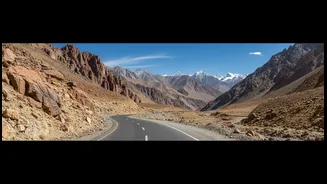
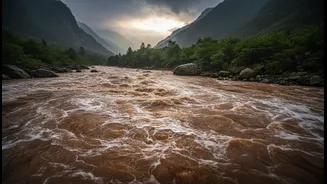
Weather in the hills is unpredictable, particularly during the monsoon months (roughly June to September). Heavy rains can cause landslides, blocking roads and cutting off access for hours or even days. Before your trip, check the latest weather forecasts from the India Meteorological Department (IMD). More importantly, speak to your host about the local conditions. Ask them if the roads leading to the homestay are prone to closures and if there are any local travel advisories in effect. Always build buffer days into your travel itinerary during the monsoon season to account for potential delays. It's also safer to hire experienced local drivers who are familiar with the terrain and to avoid travelling on mountain roads after dark.
Emergency and Safety Preparedness
Beyond power and internet, general safety is paramount. Inquire about the proximity of the nearest medical facility, pharmacy, and ATM. In remote areas, these can be several kilometres away. Carry a well-stocked first-aid kit with essentials like pain relievers, antiseptic, bandages, and any personal prescription medications. It's also good practice to save emergency contact numbers, including local police, ambulance services (102/108), and the national emergency helpline (112), in your phone. Let a family member or friend know your detailed itinerary. This simple level of preparation helps ensure that in the unlikely event of an emergency, you are not caught completely off-guard.