





The Monsoon Dilemma: Why Raw Salads Are Risky
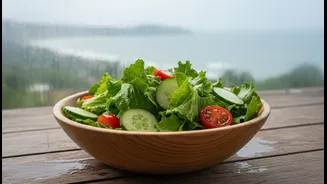
The high humidity and moisture during the monsoon create a perfect breeding ground for bacteria and other pathogens. Leafy greens like lettuce and spinach, as well as other raw vegetables, can become contaminated with germs from damp soil and rainwater
runoff. This increases the risk of foodborne illnesses such as stomach infections, diarrhoea, and food poisoning. While washing vegetables is always important, it may not be enough to eliminate all contaminants during this season. For this reason, many health experts advise against consuming raw vegetables, especially in salads, during the rainy months.
The Sauté Solution: Cooking for Safety and Flavour
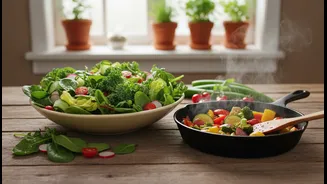
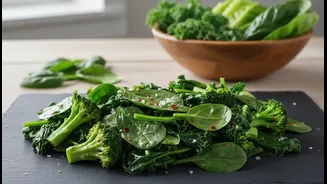
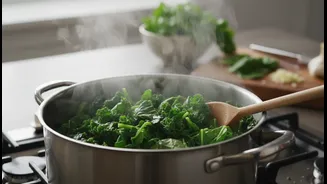
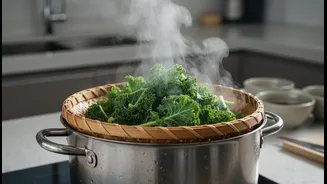
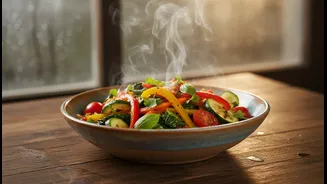
The good news is you don't have to give up your favourite vegetable combinations. Lightly cooking them is the answer. Sautéing, steaming, or blanching your vegetables helps kill harmful bacteria and makes them safer to consume. Sautéing, in particular, is a fantastic method. It's a quick, high-heat technique that not only ensures your food is safe but can also enhance the flavour and texture of your vegetables. It allows you to enjoy the essence of a salad in a warm, comforting format that is also easier on the digestive system, which can be more sensitive during this season.
Building the Perfect Nourishment Bowl
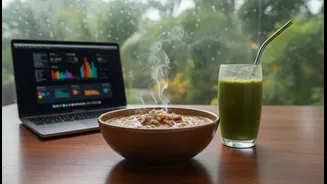
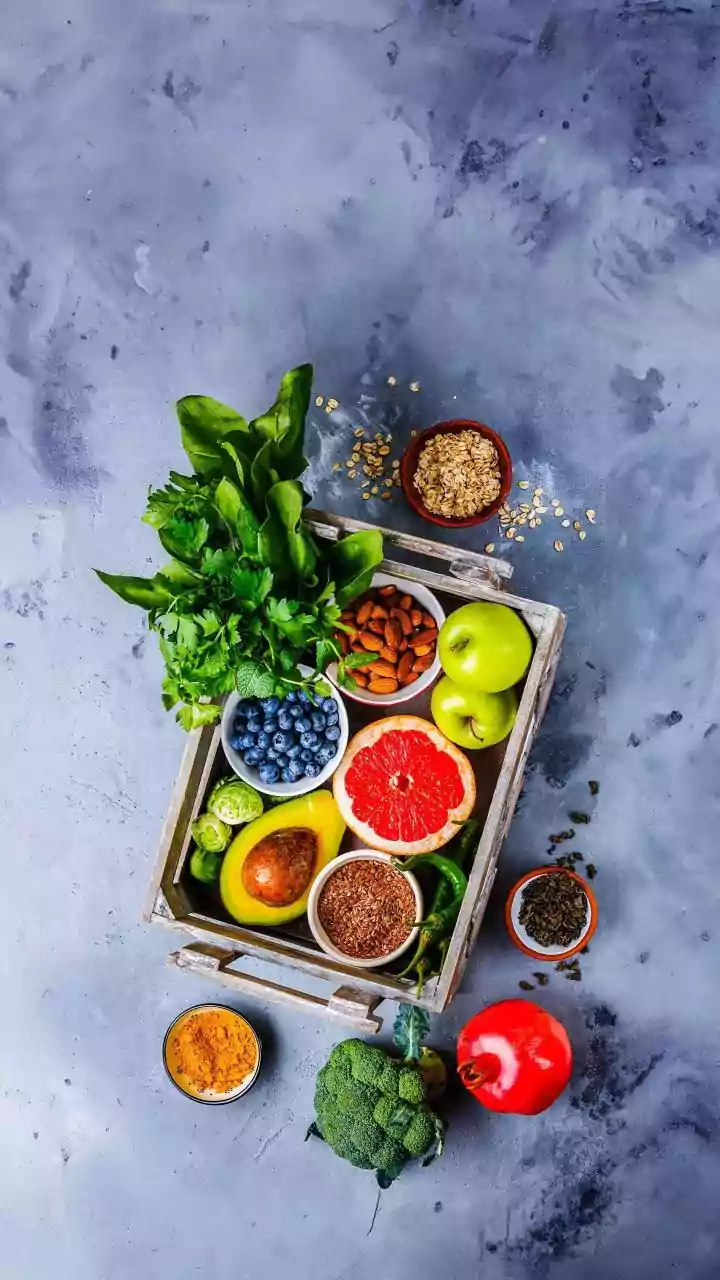
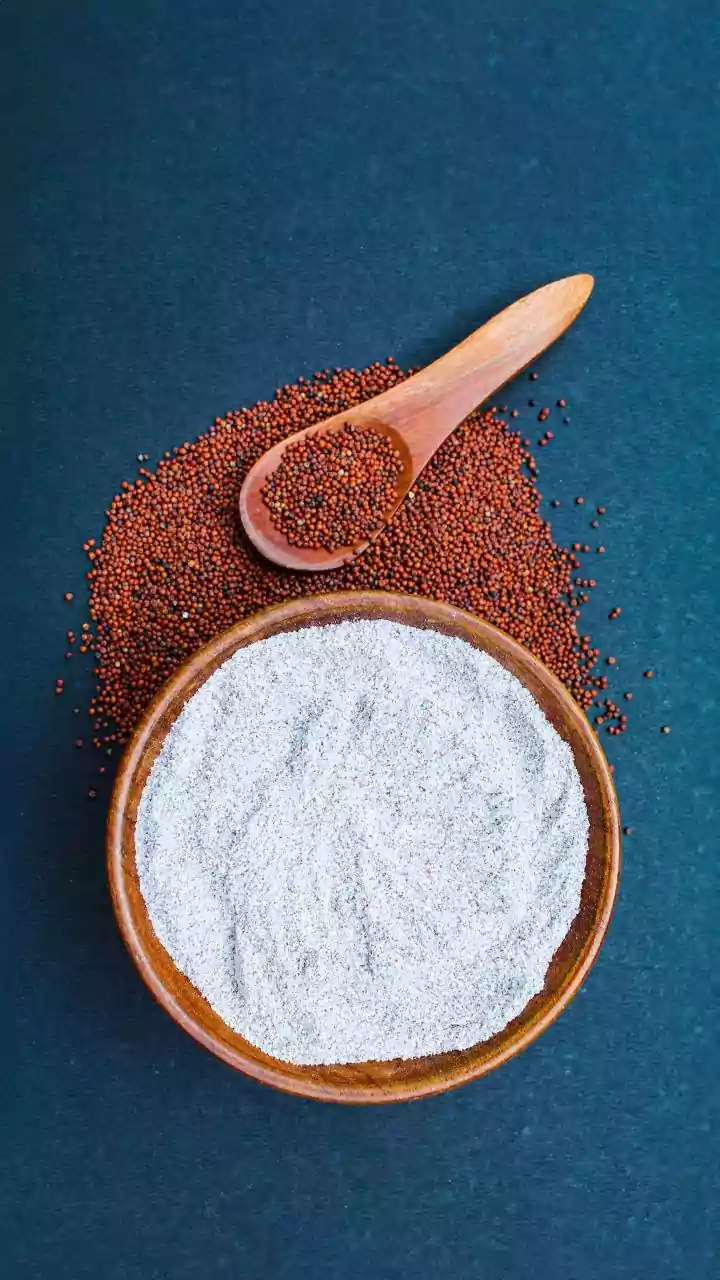
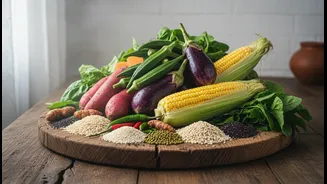
A nourishment bowl is a simple and versatile meal. The formula is straightforward: start with a wholesome base, add cooked vegetables and a protein, and finish with a flavourful dressing. For your base, consider grains like quinoa, brown rice, or millets. Next, add your sautéed vegetables. This is where your re-engineered salad comes in. Finally, include a source of protein such as grilled paneer, roasted chickpeas, lentils, or tofu to make it a complete and satisfying meal. The key is to layer textures and flavours for a dish that is both healthy and exciting.
Classic Makeover: The Warm Mediterranean Bowl
A classic Greek salad is a warm-weather favourite, but its raw components—cucumber, tomatoes, bell peppers, and onions—can be risky during the monsoon. To adapt it, chop your bell peppers, onions, and even the cucumber, then sauté them in a little olive oil until tender-crisp. You can lightly sauté cherry tomatoes until they just begin to soften. Instead of crumbly feta, use cubes of paneer, which you can pan-fry until golden brown for a delicious, creamy element. Toss everything with a warm lemon-garlic olive oil dressing and serve over a bed of quinoa for a hearty Mediterranean-inspired bowl.
Classic Makeover: The Sautéed 'Caesar' Bowl
The traditional Caesar salad relies on crisp, raw romaine lettuce. To make it monsoon-safe, swap the romaine for a hardier green like kale or even spinach, and give it a quick sauté with some garlic until just wilted. You can also use sturdier vegetables like broccoli or green beans. For the classic crunch, make your own croutons by toasting bread cubes in a pan with herbs. Add a protein like grilled chicken or roasted chickpeas. For the dressing, create a safe version by using a store-bought Caesar dressing or making one with a yoghurt base, garlic, lemon juice, and a touch of mustard instead of raw eggs.
Classic Makeover: A Toasty Caprese Bowl
A Caprese salad is beautiful in its simplicity: fresh tomatoes, mozzarella, and basil. To give it a warm, monsoon-friendly twist, start by sautéing cherry tomatoes with a little garlic until they become soft and fragrant. Instead of raw mozzarella, which is best avoided, use fresh paneer or halloumi cheese cubes that have been pan-fried until golden. Combine the warm tomatoes and cheese, and then tear fresh basil leaves over the top. Drizzle with a balsamic glaze and a touch of extra virgin olive oil. This warm version captures the classic flavours while providing a comforting and safe meal.