







Embrace Local and Native Blooms
The most authentic pookkalams were historically made with flowers growing in the immediate vicinity. Returning to this practice is the single biggest step toward sustainability. Flowers like the simple white Thumba (Ceylon Slitwort), red Chethi (Ixora),
and blue Shankupushpam (Butterfly Pea) are traditional to Kerala. Opting for these and other locally grown favourites like marigolds (Jamanthi), hibiscus (Chemparathy), and jasmine not only supports local farmers but also drastically cuts down on the carbon footprint associated with transporting flowers from other states or countries. Many native flowers are also more resilient to local weather conditions, meaning they often last longer and require fewer pesticides to grow. Ask your local vendor what’s in season and grown nearby; you might discover beautiful, traditional options you hadn't considered.
Grow Your Own Flower Patch
You don’t need a large garden to make a meaningful contribution to your pookkalam. Even a few pots on a balcony can yield a surprising number of flowers. Marigolds are famously easy to grow and produce a high volume of bright yellow and orange petals, perfect for filling large sections of a design. Hibiscus plants are a common sight in many Indian homes and provide large, dramatic blooms. Creepers like the butterfly pea can thrive in pots and produce beautiful blue flowers. Growing your own gives you access to the freshest, pesticide-free petals and completely eliminates packaging waste. It also connects you more deeply to the harvest spirit of Onam, making the final creation even more special.
Rethink Your Design and Materials
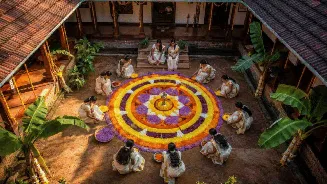
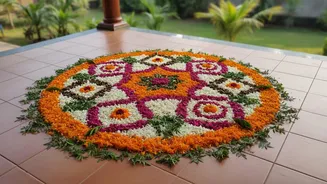
A beautiful pookkalam doesn't have to be massive or exclusively made of expensive, sourced petals. Consider a more minimalist design that uses space and contrast effectively. You can create stunning patterns by incorporating other natural elements. Coloured rice flour, a traditional material for rangoli, can be used for outlines and fine details. Aromatic leaves like tulsi or mango leaves can provide a fragrant green base or border. Some creative households even use colourful pulses or naturally dyed sawdust. The key is to avoid non-biodegradable materials like plastic glitter, synthetic powders, and metallic decorations, which contaminate the floral waste and prevent it from being composted.
Mindful Shopping at the Market
The way we buy flowers is just as important as which flowers we buy. Much of the waste from festive shopping comes from single-use plastics. Get into the habit of carrying your own reusable cloth bags or containers to the flower market. This simple step can prevent dozens of small plastic bags from ending up in landfills. Before you shop, plan your pookkalam design. This helps you buy only what you need, reducing both waste and expense. Instead of buying small, pre-packaged amounts, ask vendors to give you the flowers directly in your bag. This mindful approach to consumption is a powerful way to make your celebration greener.
Closing the Loop: Composting Your Pookkalam
What happens to the pookkalam after Thiruvonam is a critical part of its environmental impact. Traditionally, these floral arrangements were simply swept up and returned to the earth, enriching the soil. You can honour this cycle by composting your floral waste. Flowers and leaves are nitrogen-rich 'greens' that are perfect for any home compost system. If you have a garden, you can add them directly to a compost heap. For apartment dwellers, a small balcony composter or a community composting facility can turn the floral waste into nutrient-rich manure. This 'black gold' can then be used to fertilize your houseplants, completing the beautiful, circular journey of the flowers. Many startups and self-help groups are now also collecting floral waste to create products like incense and natural dyes, offering another avenue for responsible disposal.