

Why Your Gut Is More Vulnerable During Monsoon
The rainy season creates a perfect storm for digestive issues. The high humidity and moisture in the air allow harmful bacteria, viruses, and fungi to thrive. This increases the risk of food and water contamination, leading to common problems like bloating,
diarrhoea, indigestion, and food poisoning. Ayurveda suggests that our digestive fire, or 'Agni', naturally weakens during this season, making it harder to process heavy or raw foods. This combination of a compromised external environment and a weakened internal system puts your gut health, which is home to nearly 70% of your immune system, under significant stress.
The Expert Verdict: A Strong Case for Probiotics
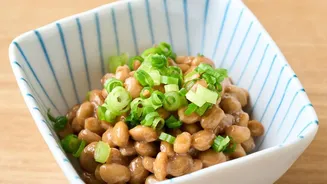
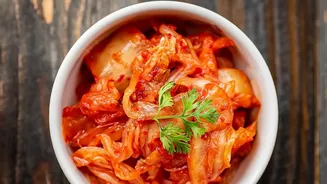
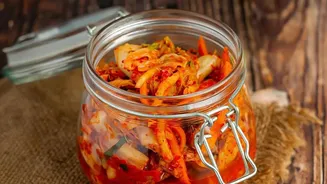
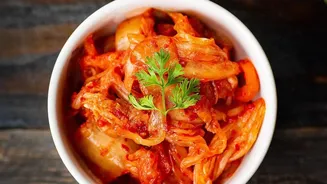
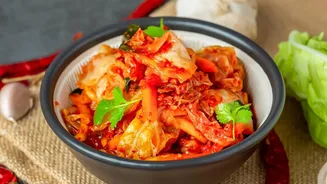
Experts overwhelmingly agree that incorporating fermented foods into your diet during the monsoon is a beneficial move. These foods are rich in probiotics, which are live, beneficial bacteria that help restore the natural balance of your gut microbiome. A healthy gut microbiome is crucial for proper digestion, nutrient absorption, and fighting off harmful pathogens that are more prevalent during this season. According to gastroenterologist Dr. Saswata Chatterjee, fermented foods help create an environment that sustains good gut bacteria, which aids digestion and boosts immunity, both of which are vital when our bodies are more prone to infections in humid weather. Probiotics act as a protective shield, helping to reduce the risk of common monsoon ailments like diarrhoea and stomach infections.
Your Monsoon Fermented Foods Guide
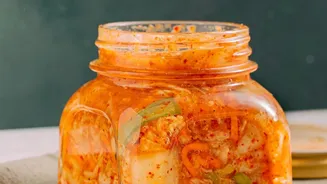
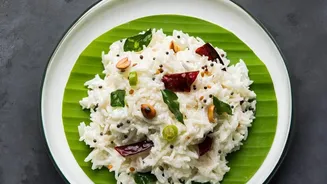
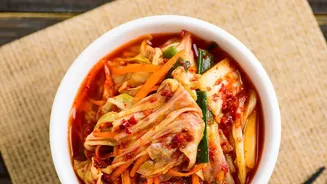
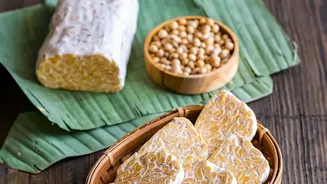
You don't need to look for exotic options; many Indian staples are excellent sources of probiotics. Fresh, homemade versions are always best. • Dahi (Curd): A time-tested favourite, homemade curd is packed with live cultures that support gut flora and prevent bloating. • Chaas (Buttermilk): Lighter than curd, buttermilk is a soothing and hydrating drink that aids digestion and can alleviate acidity, making it perfect for humid weather. • Idli and Dosa: Made from a fermented batter of rice and lentils, these South Indian classics are not only delicious but also encourage good gut health. The fermentation process makes them easier to digest. • Kanji: This traditional North Indian drink, often made by fermenting black carrots or beetroot, is full of healthy bacteria and is simple to prepare at home. • Fermented Rice: Known as Panta Bhat or Pazhaya Soru, this dish involves soaking leftover cooked rice in water overnight. It becomes a cooling, gentle, and probiotic-rich meal that is easy on the stomach.
A Word of Caution: Freshness and Hygiene are Key
While fermented foods are beneficial, experts stress the importance of hygiene, especially during the monsoon when food can spoil quickly. The humid conditions that promote beneficial fermentation can also encourage the growth of harmful moulds and bacteria if foods are not prepared or stored correctly. Always opt for freshly prepared fermented foods. Be cautious with homemade pickles, ensuring they are prepared and stored hygienically, and monitor salt levels. Avoid buying fermented foods, like cut fruits or uncovered snacks, from street vendors, as the risk of contamination is high. The key is to consume them in moderation as part of a balanced diet, prioritising light, well-cooked meals and avoiding overly oily or raw foods that can further tax your digestive system.