



Why Go Vertical with Your Greenery?
In small homes, every square foot counts. Traditional potted plants can clutter floors and surfaces, making rooms feel cramped. Hanging planters solve this by utilising vertical space, drawing the eye upward and creating an illusion of height and openness.
They transform unused areas—like corners or the space above furniture—into vibrant focal points. Beyond just being a decor trend, bringing plants indoors can also enhance your living environment. Many popular houseplants are known for their air-purifying qualities, helping to filter common indoor toxins and improve air quality. This combination of aesthetic appeal and wellness benefits makes hanging plants a smart choice for any modern Indian home.
Choosing the Right Low-Cost Planter
You don't need to spend a fortune to get a chic look. The market is full of budget-friendly options that are both stylish and functional. Macramé hangers offer a bohemian, textured look and can hold a variety of pot sizes. You can find simple jute or cotton ones at very reasonable prices or even make your own. Other options include lightweight ceramic pots, minimalist metal hoops, and repurposed items. Thinking outside the box is key to keeping costs down. Old plastic bottles, coconut shells, and even kitchen colanders can be turned into unique and charming planters with a little creativity.
The Best Indoor Plants for Hanging
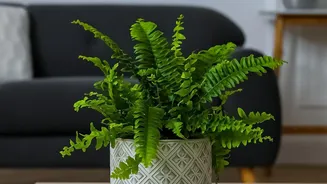
The ideal hanging plants are typically those with trailing or cascading vines that create a beautiful, flowing effect. Many of these are also famously low-maintenance, making them perfect for beginners. The Money Plant (Pothos) is a favourite in India, known for being incredibly forgiving and able to thrive in low light. The Spider Plant is another classic, producing arching leaves and baby plantlets that dangle from the main pot. For something a bit different, consider the String of Pearls or English Ivy, both of which create dramatic, trailing displays. Boston Ferns add lush, feathery texture, though they prefer a bit more humidity and indirect light.
Creative Ways to Hang Your Plants
Where you hang your plants is just as important as what you hang them in. To avoid damaging walls, especially in rental homes, there are many clever, no-drill solutions. A sturdy tension rod placed in a window frame can become an instant plant bar, perfect for sun-loving herbs or vines. You can also use decorative wall brackets or 'S' hooks to hang planters from existing shelves, curtain rods, or exposed pipes. For a bigger impact, group several planters at different heights in an empty corner to create a layered, jungle-like effect. Another innovative idea is a 'plant curtain,' where a series of small pots are hung from a rod to create a living screen of greenery.
A Simple DIY Macramé Hanger
Creating your own macramé hanger is a simple and rewarding project that requires just a few materials. You'll need some cotton or jute rope, a metal or wooden ring, and scissors. The basic process involves cutting several equal lengths of rope, tying them to the ring, and then using a series of simple knots to create a net-like pouch that will hold your pot. Many beginner-friendly tutorials are available online that guide you through basic knots like the square knot and gathering knot. In less than an hour, you can create a custom hanger perfectly sized for your favourite pot. This not only saves money but adds a personal touch to your decor.
Caring for Your Hanging Garden
Hanging plants have slightly different care needs than their floor-dwelling counterparts. Because they are elevated, they tend to get more air circulation, which can cause the soil to dry out faster. Check the soil moisture every few days by touching the top inch. If it feels dry, it's time to water. When watering, it's best to take the plant down and water it in a sink, allowing all excess water to drain out completely before hanging it back up. This prevents drips and potential root rot. Also, remember to rotate your plants every few weeks to ensure all sides get an even amount of light for balanced growth.