


The Daily Ritual
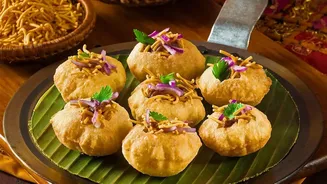
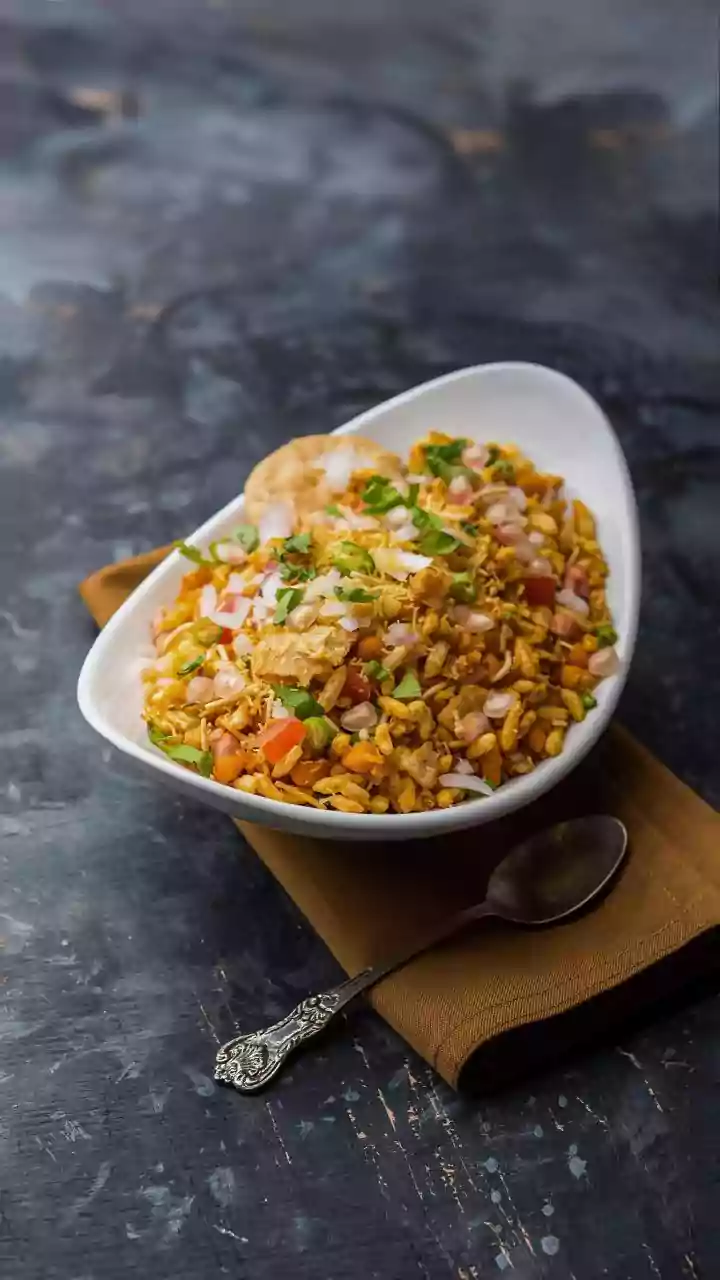
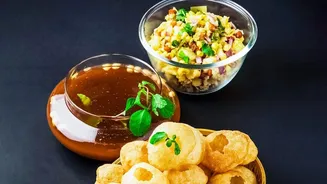
On any given day, Kolkata's streets are a dynamic food court. Office-goers grab a quick roll for lunch, students gather around a jhalmuri seller after class, and evening commuters share a plate of puchkas before heading home. Staples like ghugni, a slow-cooked
pea curry, and various chops and cutlets are woven into the city's fabric. Certain neighbourhoods even become synonymous with specific dishes, from the dumplings of Tiretti Bazaar to the fish rolls of Beadon Street. This everyday street-food culture is consistent, comforting, and an essential part of the city's identity.
The Pujo Transformation
Durga Puja changes everything. As the city is adorned with elaborate pandals and dazzling lights, the focus shifts from routine sustenance to festive indulgence. The concept of 'pandal-hopping'—walking from one decorative marquee to another to see the idols of Goddess Durga—is inextricably linked with 'pet pujo,' or the worship of the stomach. Temporary food stalls spring up around every major pandal, turning entire neighbourhoods into sprawling, open-air food fiestas that run late into the night. For many, dining out becomes a rare treat saved for these few days of celebration.
The Festive Menu
While daily favourites like puchka and kathi rolls remain popular, their demand skyrockets during Puja, becoming an essential part of the pandal-hopping experience. However, the festive season also brings its own special stars. Mughlai paratha, a flaky, deep-fried parcel stuffed with egg or minced meat, becomes a compelling stop between pandals. Fish fries, particularly those made with bhetki and served with the pungent mustard sauce kasundi, are another sought-after delicacy. Even the humble chowmein gets a festive makeover, with stalls stir-frying huge batches on woks, the sound becoming a familiar part of the evening's soundtrack.
Beyond The Usual Snacks
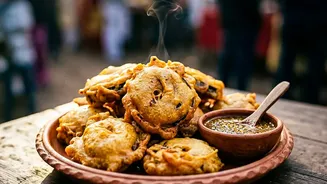
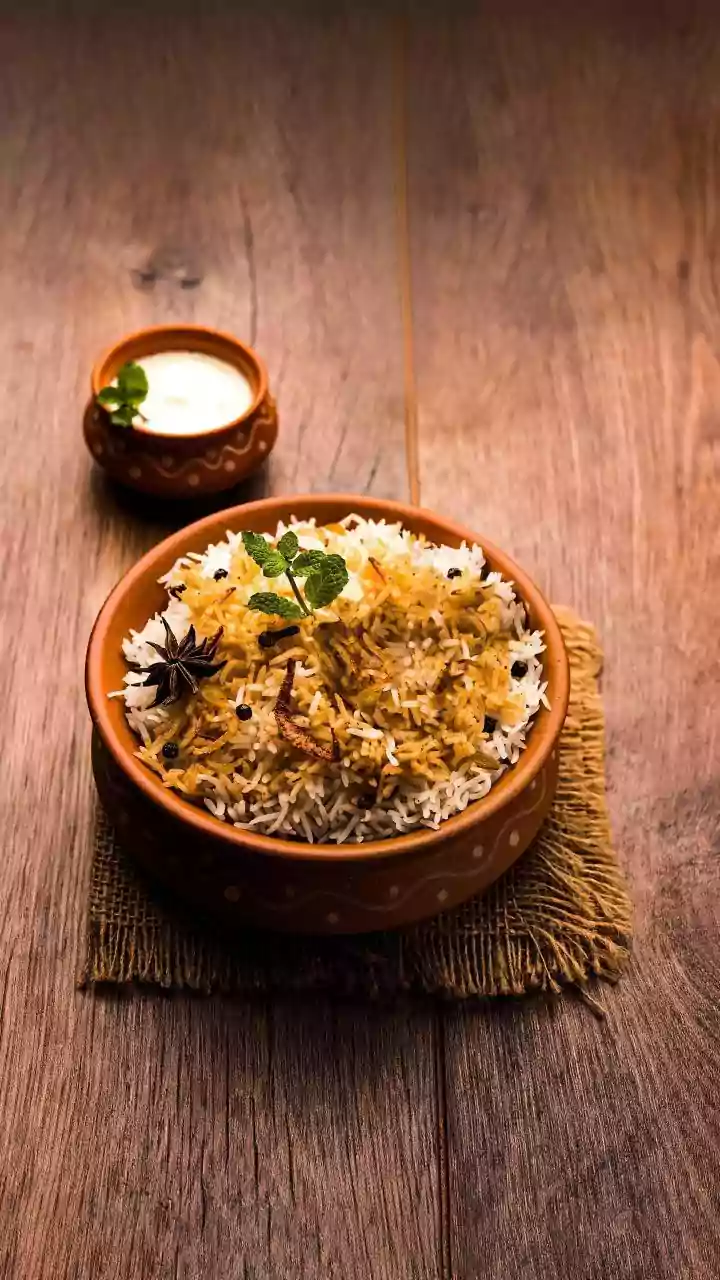
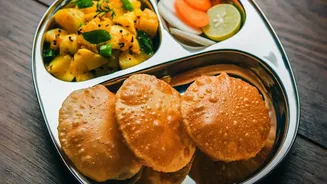
The change isn't just about what's on the menu, but also the scale and variety. Biryani, often considered a restaurant meal, becomes a street-side ritual after dark, with its fragrant aroma of spices, potato, and meat filling the air. Many temporary stalls serve dishes usually reserved for home cooking or sit-down meals, like luchi (deep-fried flatbread) with aloo dum or cholar dal. Then there are the fritters, collectively known as 'telebhaja,' which include everything from beguni (eggplant fritter) to alur chop (potato fritters), perfect for munching on the move.
A Sweet Conclusion
No Bengali celebration is complete without sweets, and Durga Puja is the grandest excuse to indulge. Sweet shops and temporary stalls overflow with classics like rosogolla, sandesh, and chomchom. A particular favourite during the festival is mishti doi, a sweetened fermented yogurt that offers a refreshing counterpoint to the rich, fried foods. For many, grabbing a pot of mishti doi or a box of sandesh after a long night of pandal-hopping is the perfect end to a festive day.