
The Frustration of Finding Foundation
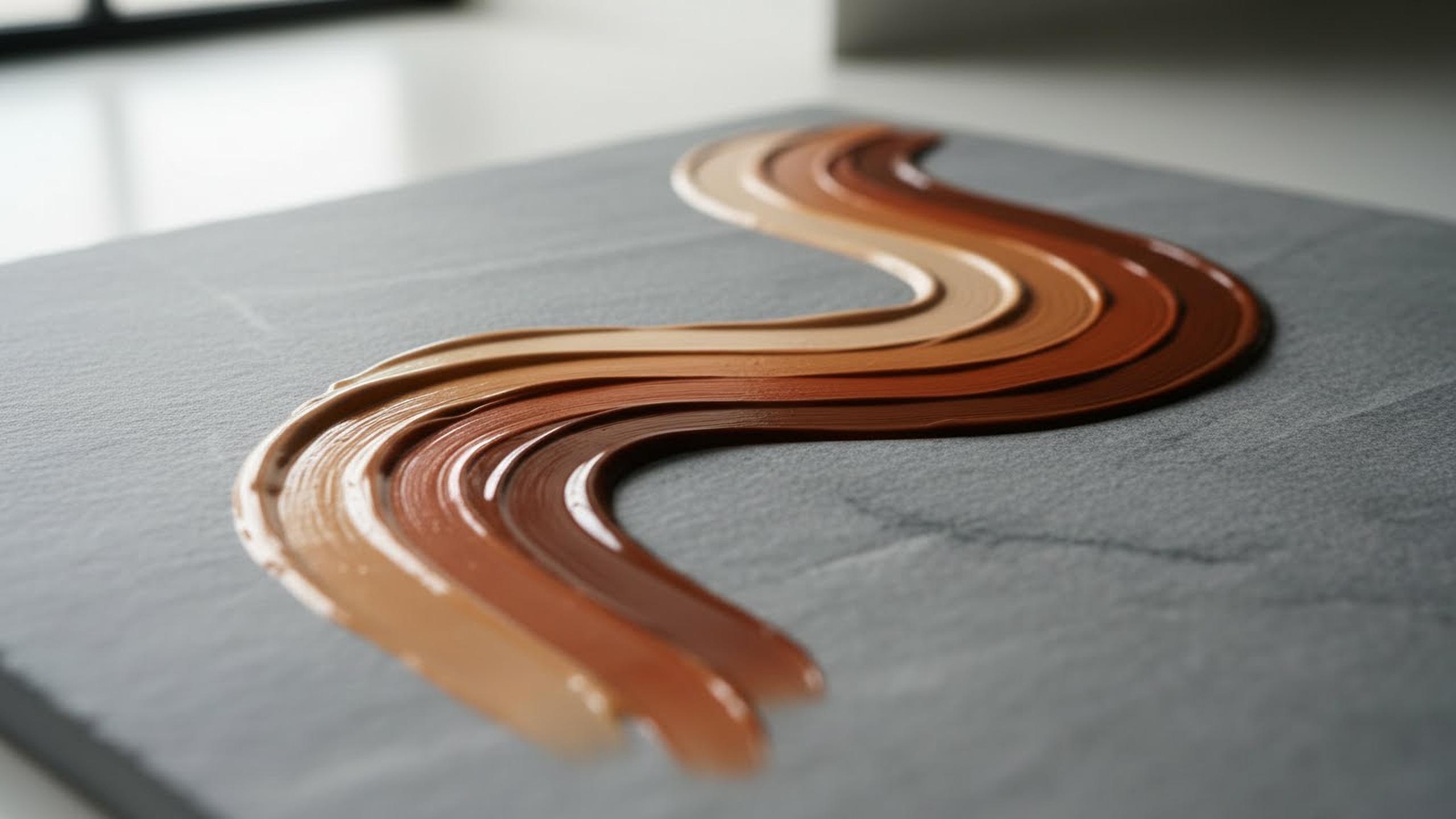
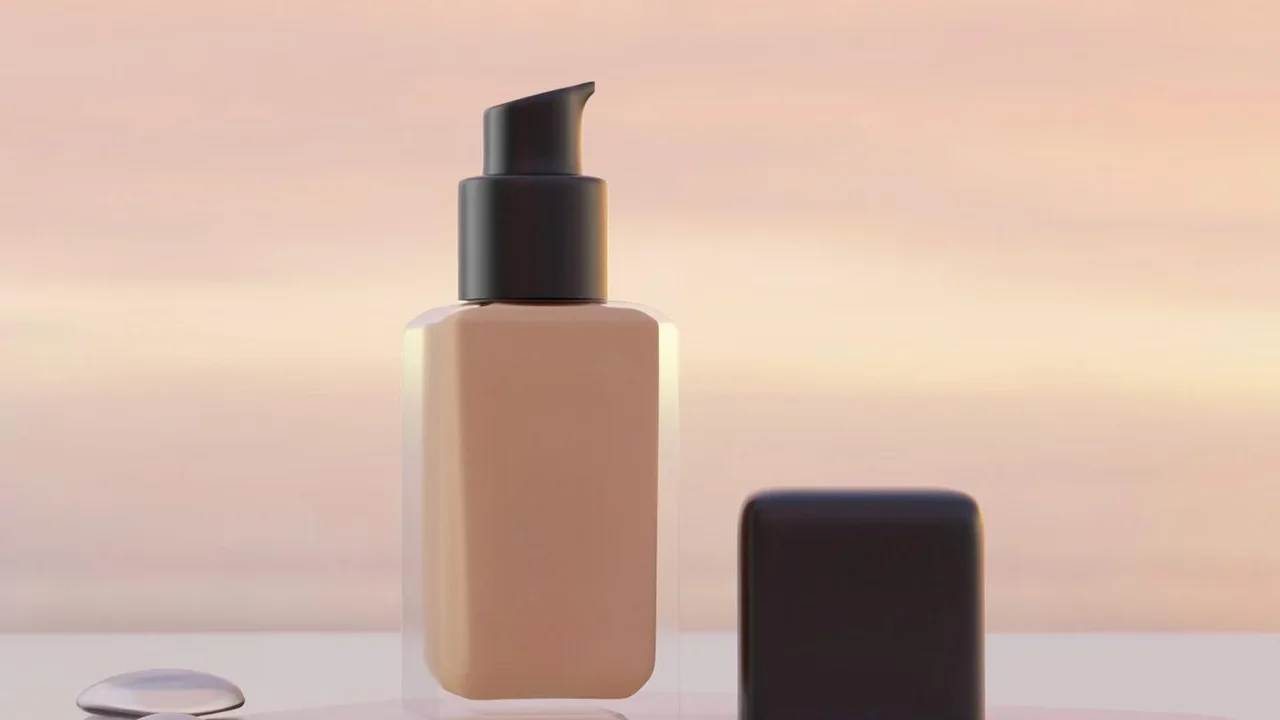
Anyone who has ever bought foundation knows the struggle. You stand under the harsh, unforgiving lights of a department store, with stripes of shades painted on your jawline, trying to guess which one will look natural in the real world. The process is
often a game of chance, influenced by store lighting, pressure from sales staff, and the simple fact that the shade can look different once it has settled on your skin. Studies have shown that many people buy the wrong shade multiple times before finding their ideal match, leading to a drawer full of barely-used, expensive mistakes. This age-old problem has long begged for a better solution, one that offers accuracy and convenience without the in-store hassle.
How AI and AR Are Changing the Game
Enter your smartphone. Beauty and tech companies are increasingly turning to artificial intelligence (AI) and augmented reality (AR) to solve the shade-matching puzzle. The process is remarkably sophisticated yet simple for the user. AI-powered shade finders use your phone’s camera to perform a detailed scan of your skin. The technology analyzes your skin tone (its lightness or darkness) and, crucially, your undertone (the subtle cool, warm, or neutral hue beneath the surface). By processing this information through complex algorithms trained on vast databases of skin tones, the app can recommend a specific foundation shade from a brand's collection. Some advanced systems can detect tens of thousands of unique skin tones. Meanwhile, AR offers a 'virtual try-on' experience, overlaying the recommended shade onto your face in real-time so you can see how it looks before you buy.
The Major Players in Your Pocket
A growing number of major beauty brands and retailers have embraced this technology. L'Oréal acquired the pioneering beauty tech company ModiFace, integrating virtual try-on tools across its portfolio of brands. These tools use AI and AR to let you test everything from foundation to lipstick. Similarly, Estée Lauder partnered with Perfect Corp, the developer of YouCam Makeup, to create its own AI-driven shade matching tools. Retail giant Sephora has been a leader in this space for years with its Color iQ system. Initially an in-store device, the technology has evolved, now using AI to provide hyper-accurate matches for a more diverse range of skin tones and undertones. Standalone apps are also gaining popularity, offering to match you across multiple brands at once.
Is It a Perfect Match?
While this technology is revolutionary, it’s not yet foolproof. The biggest challenge is lighting. Your phone's camera can interpret your skin tone differently in warm indoor light versus natural daylight, which can skew the results. The quality of your phone's camera and the calibration of your screen can also affect accuracy. Experts note a difference between AI shade finders, which actually analyze your skin to recommend a match, and AR virtual try-ons, which are better for visualizing how a color might look but don't always start with an accurate assessment of your skin. However, the technology is rapidly improving, with some platforms reporting high consumer satisfaction rates. Many companies also prioritize privacy, processing images directly on your device without storing them.
Tips for Getting the Best Results
To get the most accurate virtual match possible, there are a few best practices to follow. First and foremost, use natural daylight. Stand facing a window, as this provides the most neutral and consistent light for your phone's camera to analyze your skin accurately. Make sure your face is clean and free of any makeup. It's also helpful to take photos of not just your face, but also your jawline and chest to ensure the algorithm gets a complete picture of your skin tone. If the app allows it, holding a plain white piece of paper next to your face can help the software correct for color balance. Ultimately, these tools are a powerful guide, but it's always wise to order a sample if possible before committing to a full-size bottle.