
The Cosmic Shadow Play
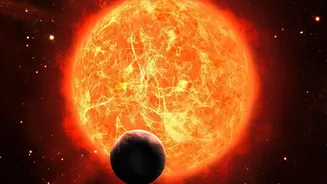
Imagine a fly buzzing in front of a distant, powerful spotlight. From miles away, you could never see the fly itself, but you might notice a minuscule dip in the spotlight's brightness as it flits past. Astronomers use a similar principle, called the transit
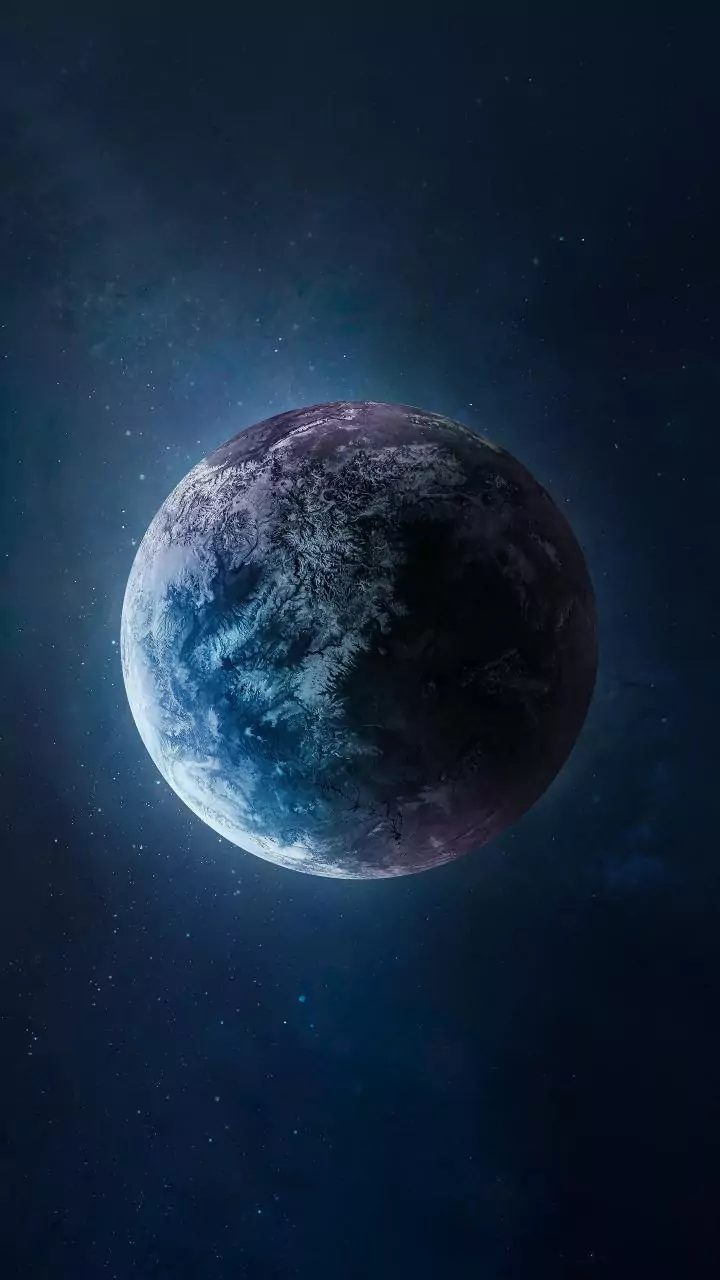
method, to study exoplanets. When a planet crosses in front of its star from our perspective, it blocks a tiny fraction of the starlight. By measuring this dimming, scientists can determine the planet's size. More importantly, for a brief moment, the starlight filters through the planet's atmosphere before reaching our telescopes. That fleeting interaction is the key to understanding what a distant world is made of.
Earth’s Blurry, Biased Window
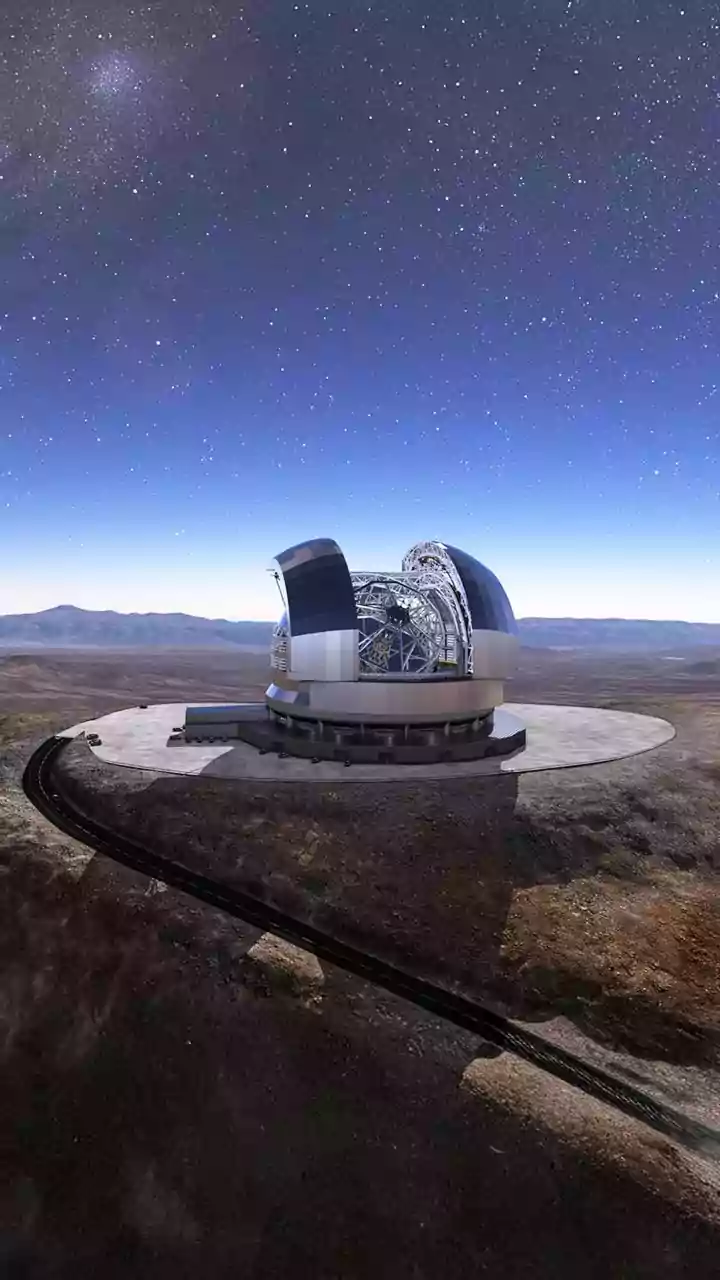
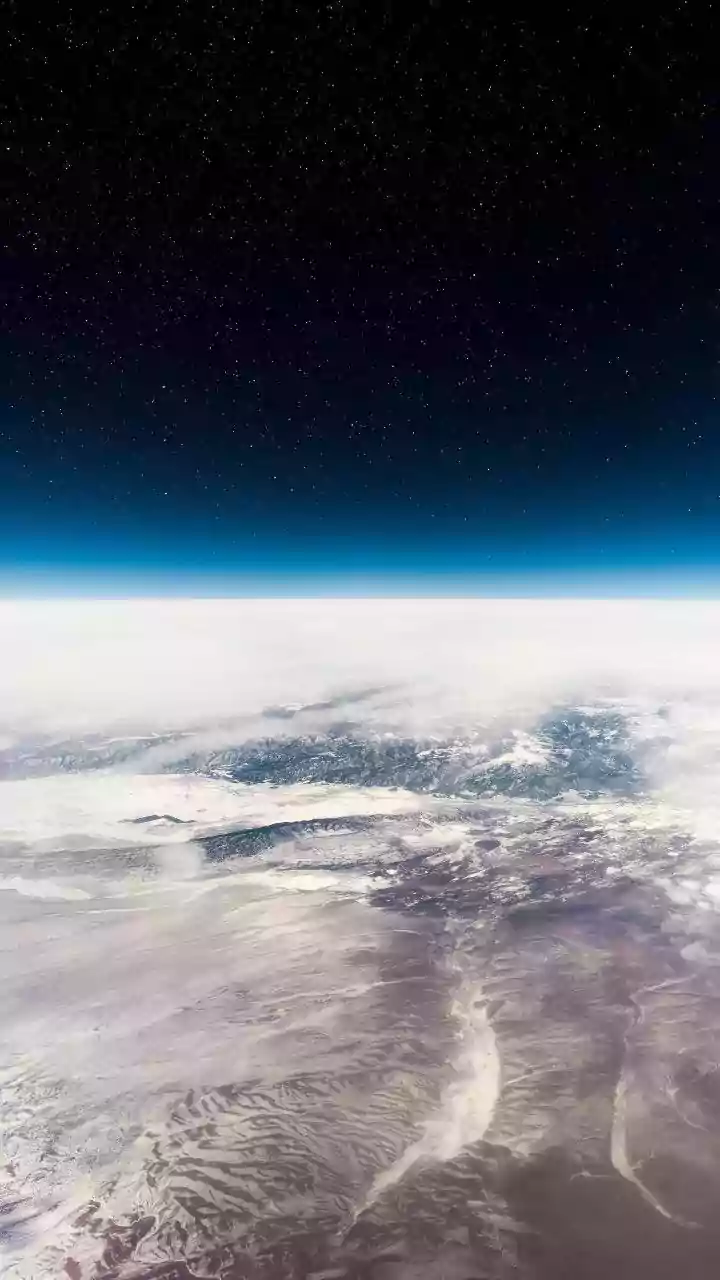
Trying to analyze that filtered starlight from the ground is like trying to listen to a whisper in a hurricane. Earth's own atmosphere is the problem. It's a turbulent, shifting ocean of air that blurs and distorts incoming light, which is why stars appear to twinkle. This atmospheric distortion severely limits the clarity of images from even the most powerful ground-based telescopes. Furthermore, our atmosphere absorbs many wavelengths of light, particularly in the infrared and ultraviolet parts of the spectrum. Molecules like water vapour in our air effectively block the very signals astronomers need to detect similar molecules on other worlds, creating a form of cosmic interference. Getting a clear view requires getting above it all.
Decoding a Planet’s Breath with Light
This is where a spectrograph comes in. It's an instrument that does for light what a prism does for sunlight: it splits it into its component colours, or spectrum. But it goes much further. When starlight passes through an exoplanet’s atmosphere, the gases present—like water, methane, or carbon dioxide—absorb very specific wavelengths of that light. This absorption leaves behind a pattern of dark lines in the spectrum, like a unique chemical barcode. By analyzing this barcode, astronomers can identify the exact molecules present in the planet's atmosphere, giving us a list of its ingredients. This technique, called transmission spectroscopy, is our primary tool for 'reading' the air of alien worlds.
The Need for Extreme Sensitivity in Orbit
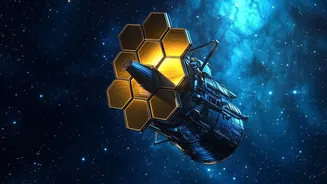
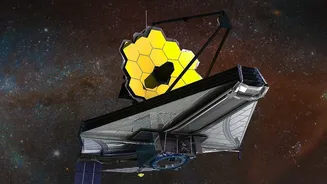
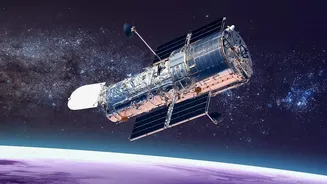
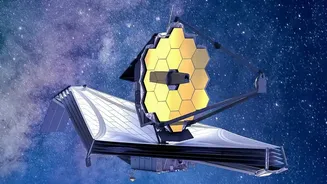
The signal from an exoplanet's atmosphere is astonishingly faint. The light passing through that thin halo is a tiny fraction of the total light from the star, which itself is immensely far away. Detecting this signal requires a spectrograph of extraordinary sensitivity. It must be able to measure minute dips in brightness at very precise wavelengths. Placing these instruments in orbit, aboard telescopes like the Hubble and James Webb Space Telescope (JWST), solves two problems at once. First, it completely bypasses the blurring and absorption of Earth's atmosphere. Second, the cold, stable environment of space allows these sensitive instruments to operate with the incredible precision needed, free from the light pollution and weather that plague ground observatories. It's this combination—the clear vantage point of space and the advanced decoding power of the spectrograph—that lets us fingerprint the atmospheres of planets light-years from home.