
1. The Bold Paint Statement
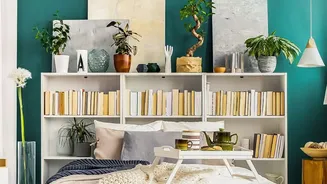
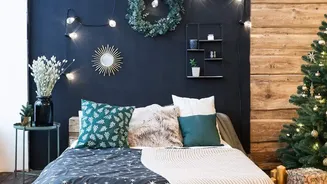
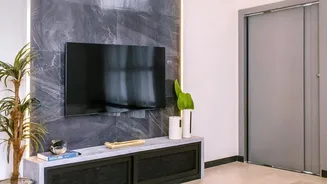
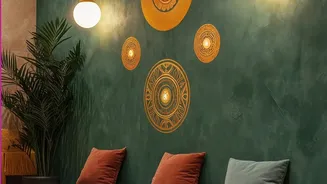
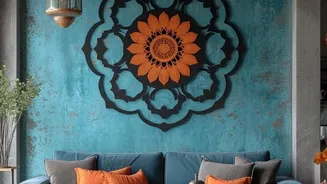
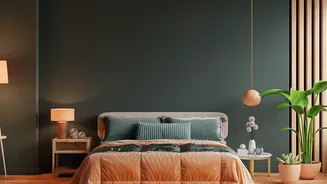
The simplest and most accessible way to create an accent wall is with a can of paint. Choosing one wall and coating it in a deep, saturated colour can dramatically alter the mood of a room. In a living room, a dark shade like navy, forest green, or charcoal
behind a sofa creates a sophisticated anchor for your main seating area. In a bedroom, the wall behind the headboard is the perfect candidate. A deep, moody colour here can make the space feel cosy and intimate, while a vibrant hue adds a playful burst of energy. The key is to select a colour that complements your existing furniture and decor. Consider earthy tones like terracotta or rich browns for warmth, or cool blues and greys for a more serene, timeless look.
2. Sophisticated Wall Moulding
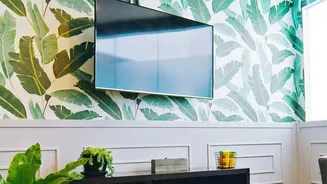
Architectural details like wall moulding, including board and batten, add a layer of texture and timeless elegance that paint alone cannot achieve. This technique involves applying wooden strips to create a pattern, often a grid or vertical lines. In a living room, a full board and batten wall painted in a single, monochromatic colour—either a soft neutral or a dramatic dark shade—adds architectural interest without overwhelming the space. For bedrooms, a half-wall of board and batten behind the bed adds character and can even create a functional picture ledge. This style is incredibly versatile; you can paint the moulding the same colour as the wall for a subtle, textural effect or a contrasting colour for a bolder statement. You can even apply wallpaper above the moulding for a pop of pattern.
3. The Warmth of Wood Panelling
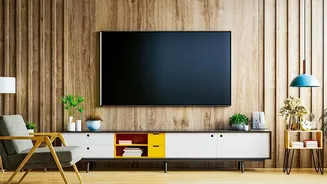
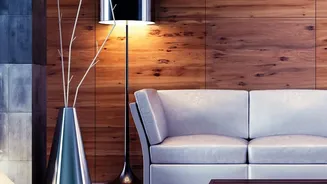
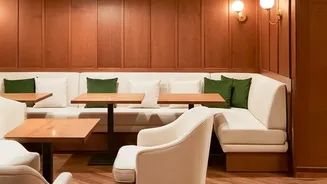
Nothing adds warmth and organic texture quite like wood. A wood-panelled accent wall can suit a wide range of styles, from rustic to modern. Vertical wood slats, also known as fluted or slatted panels, are a popular contemporary choice that can make a room feel taller. In a living room, a slatted wall behind the television can cleverly conceal wires and create a sleek media centre. In a bedroom, it brings a natural, calming element that enhances the feeling of a sanctuary. Shiplap or reclaimed pallet boards offer a more rustic, farmhouse charm. Depending on the wood tone and finish, this accent can feel cosy and inviting or clean and Scandinavian-inspired.
4. Dynamic Geometric Patterns
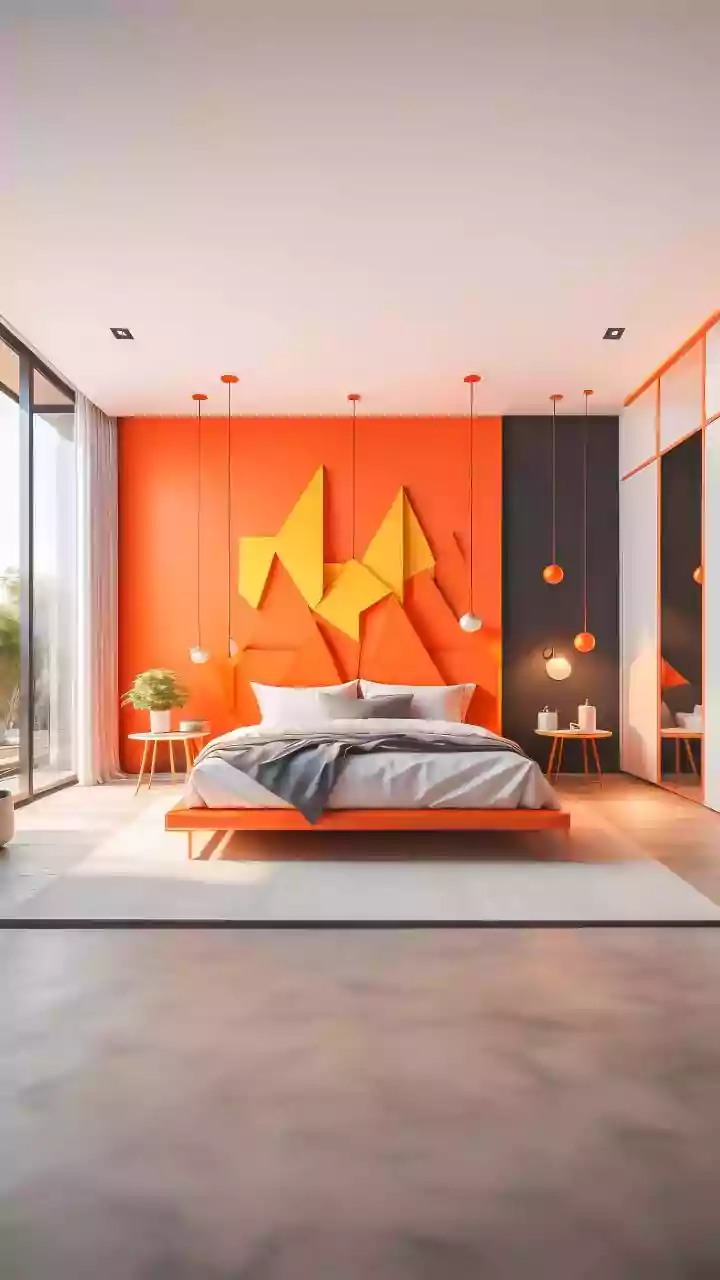
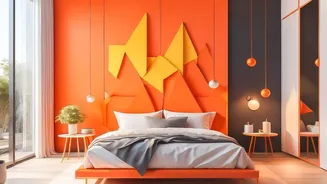
For those who love a modern and graphic look, a geometric accent wall is a fantastic choice. This can be achieved in several ways. The most straightforward method is using painter's tape and multiple paint colours to create patterns like chevrons, triangles, or interlocking lines directly on the wall. Another popular option involves applying thin wood trim or MDF boards in a geometric pattern over a painted wall, creating a three-dimensional effect. This adds depth and shadow, turning the wall into a piece of sculptural art. This style works well in both living rooms and bedrooms, offering a high-impact design that feels custom and energetic. You can play with subtle, tonal colours for a sophisticated look or high-contrast shades for a playful vibe.
5. The Personal Gallery Wall
An accent wall doesn't have to be a single finish; it can be a curated collection of what you love. A gallery wall is a deeply personal way to create a focal point. In a living room, the space above a sofa or console table is ideal for an eclectic mix of art, photographs, and mirrors. To create a cohesive look, start with a large anchor piece and build around it, mixing vertical and horizontal frames of different sizes. Don't be afraid to include three-dimensional objects like small shelves or sculptural pieces to add depth. In a bedroom, a gallery wall can be more serene, perhaps featuring a grid of black-and-white photos or a collection of calming landscapes. Lay out your arrangement on the floor first to find a balance that feels right before putting any nails in the wall.