





The Science of October Heat
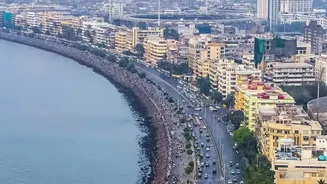
October in Mumbai is a transitional month. The southwest monsoon has withdrawn, but the cooler winter air has yet to set in. During this period, clear skies allow for intense solar radiation during the day. Furthermore, changing wind patterns often suppress
the cooling sea breeze that typically provides relief to the coastal city. This combination of factors—strong sun and reduced wind—creates the perfect conditions for a sharp spike in temperatures, a phenomenon Mumbaikars have long known and dreaded. This year has been no exception, with temperatures soaring well above normal, prompting heatwave alerts from meteorological authorities.
The City as a Giant Heat Sponge
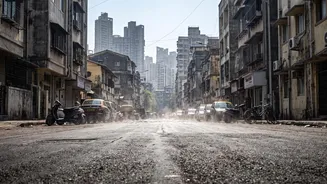
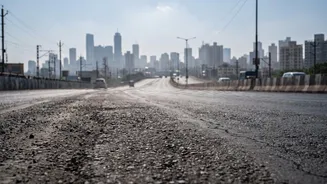
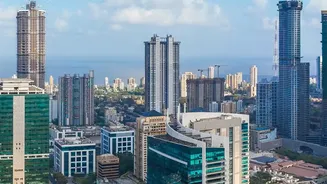
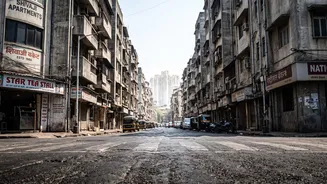
While weather patterns explain the daytime heat, the city's infrastructure explains why it lingers after sunset. This is due to the Urban Heat Island (UHI) effect, where dense urban areas are significantly warmer than surrounding rural or green areas. Mumbai, with its rapid and dense urbanisation, is a prime example of a pronounced UHI. The key contributors are the materials we use to build our cities: concrete, asphalt, and other dark, dense surfaces. These materials have a low albedo (reflectivity) and a high thermal mass, meaning they absorb huge amounts of the sun's energy during the day instead of reflecting it.
How Concrete Turns Up the Nightly Heat
Think of concrete and asphalt roads as thermal batteries or giant sponges for heat. Throughout the day, they soak up solar radiation, getting hotter and hotter. Unlike natural landscapes, which cool down quickly after sunset, these dense materials release their stored heat slowly throughout the evening and night. This process, sometimes called the 'thermal flywheel' effect, means that just as the ambient air temperature begins to drop, the built environment starts radiating the heat it has collected all day. The result is that the city never gets a chance to truly cool down, leading to elevated and stressful nighttime temperatures.
The Invisible Health Crisis of Warm Nights
Persistently high nighttime temperatures are more than just uncomfortable; they are a serious health risk. Cooler nights are crucial for the human body to recover from daytime heat exposure. When the body cannot cool down and rest, the risk of dehydration, heat exhaustion, and heatstroke increases significantly. Studies show that warm nights are linked to disrupted sleep, increased stress, and a higher incidence of cardiovascular events, particularly strokes. This places an enormous strain on public health, with the elderly, children, and those with pre-existing medical conditions being the most vulnerable to heat-related illness.
Can Mumbai Cool Itself Down?
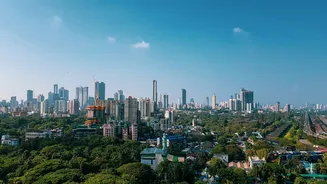
The challenge is immense, but solutions are being explored. The Mumbai Climate Action Plan (MCAP) identifies extreme heat as a major risk and outlines strategies for mitigation. Key among these are nature-based solutions. Increasing the city's green cover by creating parks, planting street trees, and promoting rooftop gardens provides shade and cooling through evapotranspiration. Another critical approach involves using 'cool' materials. This includes promoting cool roofs with reflective white paint, which can lower indoor temperatures, and using pavements with a higher solar reflectance index (SRI) to absorb less heat. As Mumbai continues to grow, integrating these climate-smart designs into urban planning is no longer an option, but a necessity for its long-term resilience and public health.