








The Age of the 'Skin-tellectual'
We are in a new era of beauty, one driven by knowledge. Young Indian consumers are no longer just buying a brand; they are buying a formula. Spurred by social media ‘skinfluencers’ and a greater focus on personal wellness, shoppers are asking tougher
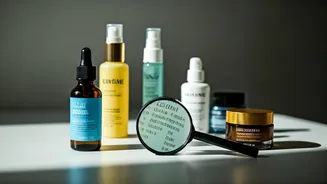
questions about what they put on their skin. This shift means moving past the marketing slogans on the front of the box and turning it over to read the fine print on the back. It's a move from aspiration to information, where ingredients like niacinamide and hyaluronic acid are the new heroes, replacing vague promises of an 'instant glow'. This growing consciousness is driving a multi-billion dollar market, with Gen Z leading the charge for transparency and performance.
The First Five-Second Rule
The most important rule of thumb is simple: ingredients are listed in descending order of concentration. The first five or so ingredients typically make up the bulk of the formula—often 80% or more. This is where you'll find the product's base, usually water (aqua), solvents, and key humectants like glycerin. If a brand is advertising a 'miracle' botanical, but you find it at the very bottom of a long list, it's likely present in a very small amount, possibly just for marketing appeal. In India, and globally, products follow the International Nomenclature of Cosmetic Ingredients (INCI) system, which standardises how ingredients are named. Learning to recognise the basics of this order is the first step to seeing what you're truly buying.
Decoding Common Marketing Claims
The beauty aisle is filled with buzzwords, but many lack strict regulatory definitions in India. Terms like 'natural', 'herbal', or 'clean beauty' are often used for marketing and don't guarantee a product is safer or better. The term 'natural' has no fixed legal definition, and 'clean beauty' is more of an intent than a standard. Similarly, 'dermatologist-tested' doesn't specify the type or scale of testing. While regulatory bodies like the Bureau of Indian Standards (BIS) and the Advertising Standards Council of India (ASCI) work to prevent false claims, greenwashing—exaggerating eco-friendly or natural credentials—persists. Your best bet is to look past these claims and focus on the ingredient list itself.
Know Your Heroes and Villains
Instead of memorising every chemical name, start with a few key players. Today's hero ingredients include Niacinamide (Vitamin B3), which helps with skin barrier function, oil regulation, and texture, and Hyaluronic Acid, a humectant that draws moisture into the skin to keep it plump and hydrated. On the other side are ingredients that many consumers choose to avoid. Parabens, used as preservatives, have faced scrutiny for potentially disrupting hormones, though regulatory bodies often consider them safe in small concentrations. Sulfates (like Sodium Lauryl Sulfate or SLS), which create lather, can be stripping and irritating for some skin types. Phthalates, often hidden under the term 'fragrance', are another group some prefer to avoid due to health concerns.
Your Digital Decoder Ring
You don't have to do it all alone. A growing number of apps and websites are designed to help you make sense of ingredient lists. You can scan a product's barcode and get an instant breakdown of what's inside. Websites like INCIdecoder offer plain-English explanations for thousands of cosmetic ingredients, helping you understand their function. Other popular apps include Think Dirty, Yuka, and INCI Beauty, each with a slightly different focus, from scoring product 'cleanliness' to providing deep dives into chemical data. While no app is perfect, they are powerful tools for learning and for making quick checks while you're standing in the store aisle.